




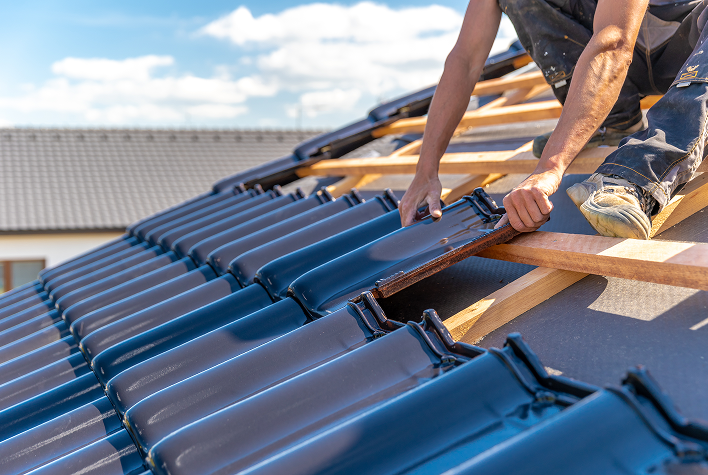
)
How We Calculated This Cost
HomeBuddy estimates roofing costs using real project pricing from completed residential roofing jobs, matched against the scope and details submitted in each project request. The estimates reflect roof repair, replacement, and storm damage projects, including differences in roof area, pitch, material, tear-off requirements, access, and underlying damage. Public pricing references are reviewed to confirm that published ranges remain consistent with current material and labor costs.
Expanded details
Data used: HomeBuddy project cost data, completed project costs, and residential project request details
Project scope: minor roof repairs, complete roof replacements, and replacements following storm or extreme-weather damage
Main cost factors: roof area, material type, roof pitch, existing roofing layers, tear-off and disposal requirements, site access, decking condition, and local labor costs
Location signals: ZIP, city, and state-level pricing patterns where available
Public references: used to confirm material and labor cost ranges and keep estimates aligned with current market conditions
Key Points
-
Material is the biggest swing in cost, from budget shingles to standing-seam metal and clay tile.
-
Florida's wind-zone code shapes what a quote must include.
-
Roof age affects insurability, and Florida law gives homeowners a right to an inspection.
-
A wind mitigation inspection after a new roof can unlock insurance credits.
-
Scheduling outside peak storm season usually means a smoother install.
Average Cost of Replacing a Roof in Florida
A shingle roof on a typical Florida home with about 2,000 square feet of roof surface usually lands between $10,000 and $20,000, and around $14,000 to $15,000 is common. Metal and tile roofs of the same size commonly run about $20,000 to $40,000. Large, complex, or premium-material roofs can go beyond that.
Roofers price the roof surface, not the living area. Overhangs, garages, porches, and pitch all add surface, so a single-story home with an attached garage and a covered lanai often carries a roof noticeably larger than its floor plan.
For national context, the Verisk 2026 U.S. Roof Report found that the average residential roof replacement in 2025 cost about 33% more than the 2021 to 2024 average. That figure comes from insurance claims data across the country and is not a Florida number. For a nationwide breakdown, see our general roof replacement cost guide.
What Makes Roofing in Florida Different: Climate, Landscape, and Storms
Florida’s climate, exposure to hurricanes, coastal conditions, and local architectural preferences all affect roofing materials, installation requirements, and replacement costs.
Cost by Roofing Material
Architectural shingles are the most common Florida choice, and they sit in the middle of the price range. Basic 3-tab shingles are the cheapest option, but many contractors steer homeowners toward architectural shingles because of how 3-tab holds up in Florida's rain and sun. Impact-rated (Class 4) shingles cost more again, and they typically last up to 25 to 30 years.
Metal and tile sit at the top of the range. Our metal roofing cost guide covers panel types and pricing in depth, and our tile roof cost guide does the same for concrete and clay. Whatever the material, every roofing product used in Florida needs a Florida Product Approval.
| Material | Cost per Sq Ft | Typical Total (about 2,000 Sq Ft) | Notes |
|---|---|---|---|
| 3-tab asphalt shingles | $3.50 to $6 | $7,000 to $12,000 | Cheapest, but many contractors steer homeowners to architectural shingles |
| Architectural asphalt shingles | $5 to $9 | $10,000 to $18,000 | The most common Florida choice |
| Impact-rated (Class 4) shingles | $6 to $10 | $12,000 to $20,000 | Typically last up to 25 to 30 years |
| Exposed-fastener metal | $7 to $12 | $14,000 to $24,000 | The budget metal option |
| Standing-seam metal | $10 to $20 | $20,000 to $40,000 | Often 40 to 70 years; sources vary widely on price |
| Concrete tile | $9 to $16 | $18,000 to $32,000 | Heavy; may need a structural check |
| Clay tile | $12 to $21 | $24,000 to $42,000 | Heaviest and priciest tile option; often 50+ years |
| Flat or low-slope (TPO, modified bitumen) | $4 to $10 | Varies by area | For flat sections; often 15 to 25 years |
Cost by Roof Size
The figures below are planning ranges calculated from the per-square-foot rates above, not quotes. They are based on roof surface area, not living area. In Florida, where single-story homes with garages and lanais are common, the roof surface usually exceeds the floor area, so ask your roofer for the measured roof area before comparing numbers.
| Roof Area | Architectural Shingles ($5 to $9) | Standing-Seam Metal ($10 to $20) | Concrete Tile ($9 to $16) |
|---|---|---|---|
| 1,500 sq ft | $7,500 to $13,500 | $15,000 to $30,000 | $13,500 to $24,000 |
| 2,000 sq ft | $10,000 to $18,000 | $20,000 to $40,000 | $18,000 to $32,000 |
| 2,500 sq ft | $12,500 to $22,500 | $25,000 to $50,000 | $22,500 to $40,000 |
| 3,000 sq ft | $15,000 to $27,000 | $30,000 to $60,000 | $27,000 to $48,000 |
Roof Costs Across Florida
South Florida sits at the top of the markets compared here. Miami-Dade and Broward counties make up the High-Velocity Hurricane Zone, where stricter product approval and inspection requirements apply. Coastal exposure and local demand also tend to show up in pricing there. Tampa and Orlando fall in the middle, and Jacksonville and Tallahassee sit at the lower end of the markets compared here.
The table covers an architectural-shingle roof of about 2,100 square feet. Metal and tile jobs in the same cities run higher, following the material ranges above. Within any metro area, the specific neighborhood matters too, since coastal and HOA-governed communities may add requirements that inland subdivisions do not.
| Market | Typical Cost |
|---|---|
| Miami (High-Velocity Hurricane Zone) | $13,000 to $26,000 |
| Fort Lauderdale (High-Velocity Hurricane Zone) | $12,500 to $25,000 |
| Tampa | $10,500 to $21,000 |
| Orlando | $10,000 to $20,000 |
| Jacksonville | $9,200 to $18,500 |
| Tallahassee | $8,800 to $17,500 |
Wind Zones, the Building Code, and What Shows Up on a Florida Quote
The current Florida Building Code is the 8th Edition (2023), and a new edition is scheduled to take effect December 31, 2026. Ask your contractor which edition applies to your permit. The High-Velocity Hurricane Zone covers Miami-Dade and Broward counties. Roofing products used anywhere in Florida need a Florida Product Approval, and in those two counties they need a Miami-Dade Notice of Acceptance.
Code-driven details such as stricter fastening, roof deck attachment, and a secondary water barrier are the line items that make a Florida quote look different from quotes elsewhere.
Labor is a separate question. According to the Bureau of Labor Statistics, Florida had about 24,400 roofers in May 2022, more than any other state and roughly three times the national concentration. Those roofers earned a mean of $20.37 an hour, compared with $24.96 nationally. Because the 2022 wage figures sit below the national mean, labor rates alone do not explain why a Florida quote can look different. Look at code-required details and material choices instead.
Permits and Licensing
A permit is required to replace a roof in Florida, and fees typically run $150 to $600 depending on the county or city. The contractor should pull the permit and schedule the inspections.
A Certified Roofing Contractor (CCC) license is valid statewide. Registered roofing contractors are licensed for specific local jurisdictions only. You can verify either one through the Florida Department of Business and Professional Regulation license search.
Ask for proof of liability and workers' compensation insurance as well. Work done without a permit can complicate an insurance claim or a future sale.
Roof Age, Insurance, and Wind Mitigation Credits
Florida homeowners should consider three separate issues when replacing a roof: roof-age rules, wind-mitigation discounts, and how insurance handles storm damage.
My Safe Florida Home and Other Ways to Offset the Cost
My Safe Florida Home, run through the Florida Department of Financial Services, offers a free wind mitigation inspection. When the inspection recommends qualifying upgrades such as roof deck attachment, roof-to-wall connections, or secondary water resistance, the program offers a matching grant of up to $10,000. The state pays $2 for each $1 the homeowner spends, and income-qualified households can receive the grant without a match. Eligibility rules and available funding apply, and the grant does not pay for a full new roof by default.
Florida PACE works differently. It is a loan repaid through the property tax bill where a county participates, not a grant. Compare its terms with other financing before signing.
Best Time of Year to Replace a Roof in Florida
Contractors commonly prefer late fall through spring, roughly October or November to April or May. That window avoids the rainy season and the heart of hurricane season, and it means fewer weather delays.
A shingle roof typically takes one to four days on site. Tile and metal usually take longer, and permitting and inspections add time before and after the work.
Demand surges after major storms, which stretches wait times for every contractor in the affected area. A roof near the end of its life is better replaced before June 1 than after a storm.
What a Florida Roofing Quote Should Spell Out
Frequently Asked Questions
How much does it cost to replace a roof in Florida?
Replacing a roof in Florida typically costs $10,000 to $30,000. A shingle roof on a typical home lands around $10,000 to $20,000, while metal and tile roofs of the same size commonly run $20,000 to $40,000.
Do I need a permit to replace a roof in Florida?
Roof replacement in Florida requires a permit, and fees typically run $150 to $600 depending on the county or city. The contractor should pull it, since unpermitted work can complicate an insurance claim or a future sale.
Can an insurance company refuse coverage because my roof is old?
An insurer cannot refuse to issue or renew a homeowners policy solely because of roof age if the roof is less than 15 years old. For a roof that is 15 or older, the homeowner can get an inspection at their own expense, and a finding of at least five years of useful life means age alone cannot be the reason for refusal.
What is the best roofing material for Florida's climate?
Impact-rated architectural shingles, standing-seam metal, and concrete tile all suit Florida's wind and rain, and the right pick depends on budget, HOA rules, coastal exposure, and the home's structure. Homes near the coast should use corrosion-resistant metal components, and tile may require a structural check.
Does a new roof lower my homeowners insurance premium in Florida?
A new roof can lower a premium when a wind mitigation inspection documents its features, but credits vary by insurer and home. Ask your insurer for quotes with and without the new roof's wind-resistant features.
What is the best time of year to replace a roof in Florida?
The best window is generally late fall through spring, which avoids the rainy season and the heart of hurricane season. Scheduling before June 1 also helps a worn roof beat the post-storm rush for contractors.
A new roof in Florida typically costs $10,000 to $30,000, and the biggest Florida-specific factor is how storm code and wind zone requirements shape both your material choice and your insurance credits. Once you know what your roof needs, you can compare roofing contractors near you and see how their quotes line up.
-
-
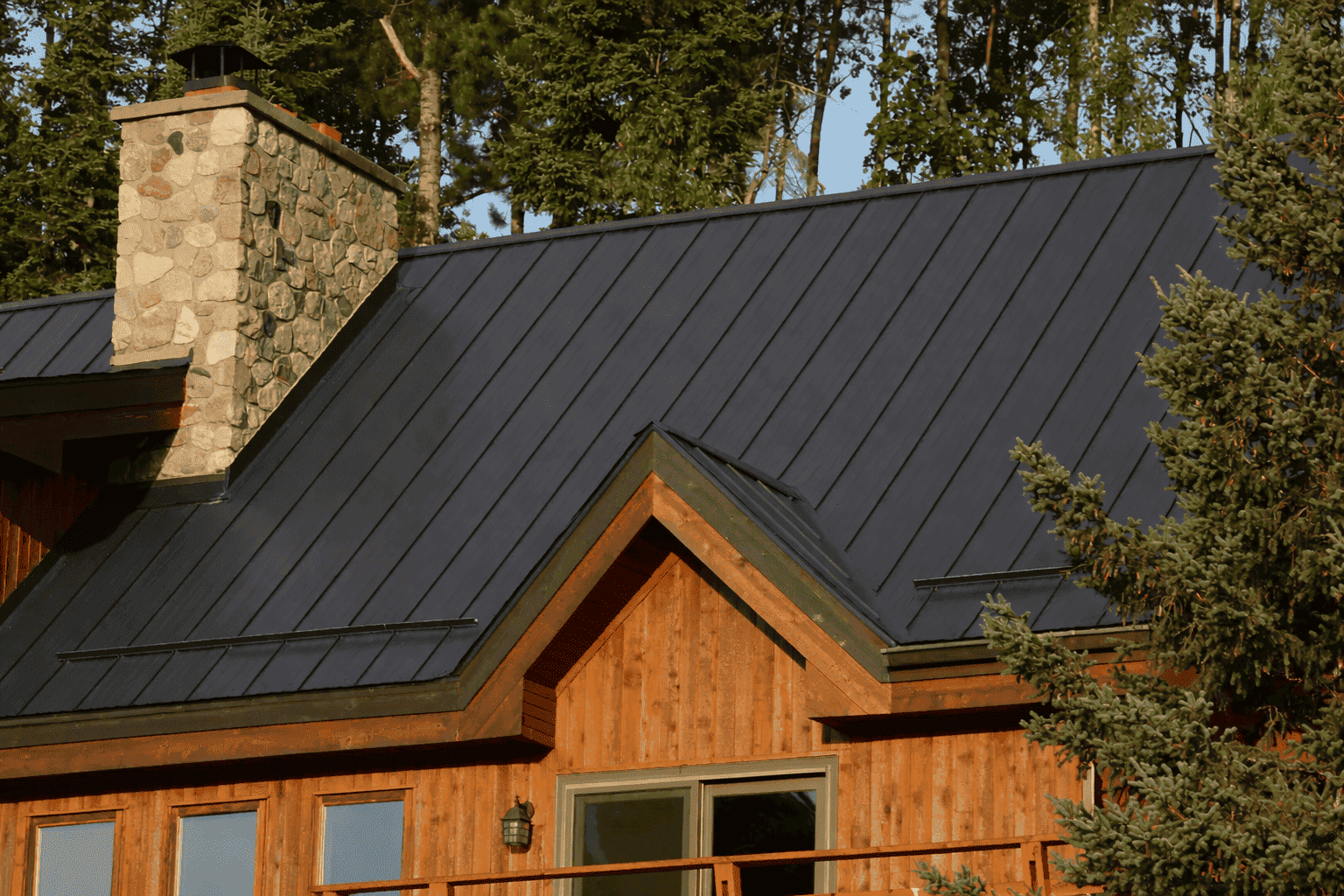
How Much Does a Standing Seam Metal Roof Cost?
-

How Much Does a Metal Roofing Cost?
-
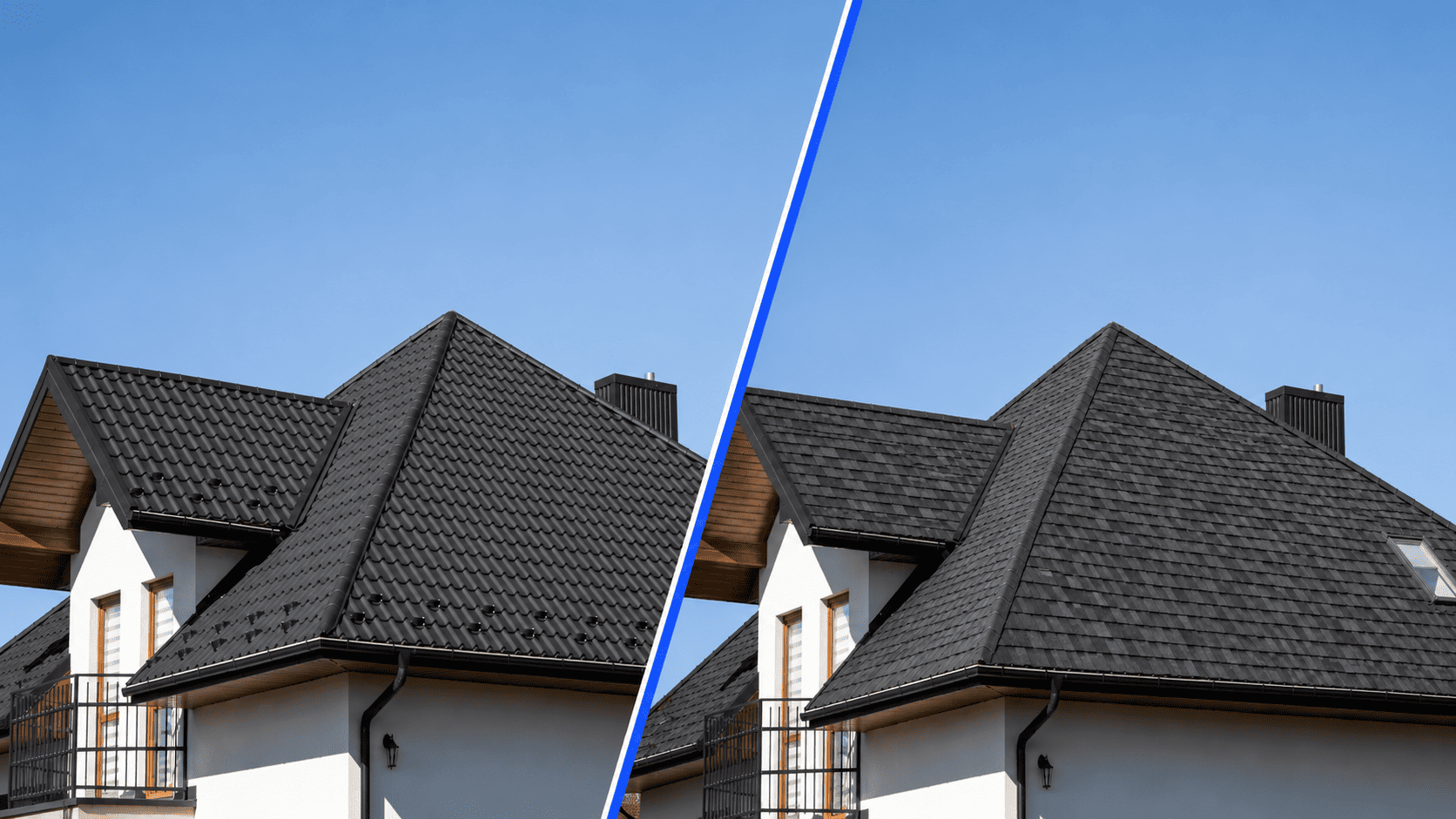
Cost of Metal Roof vs Shingles
-
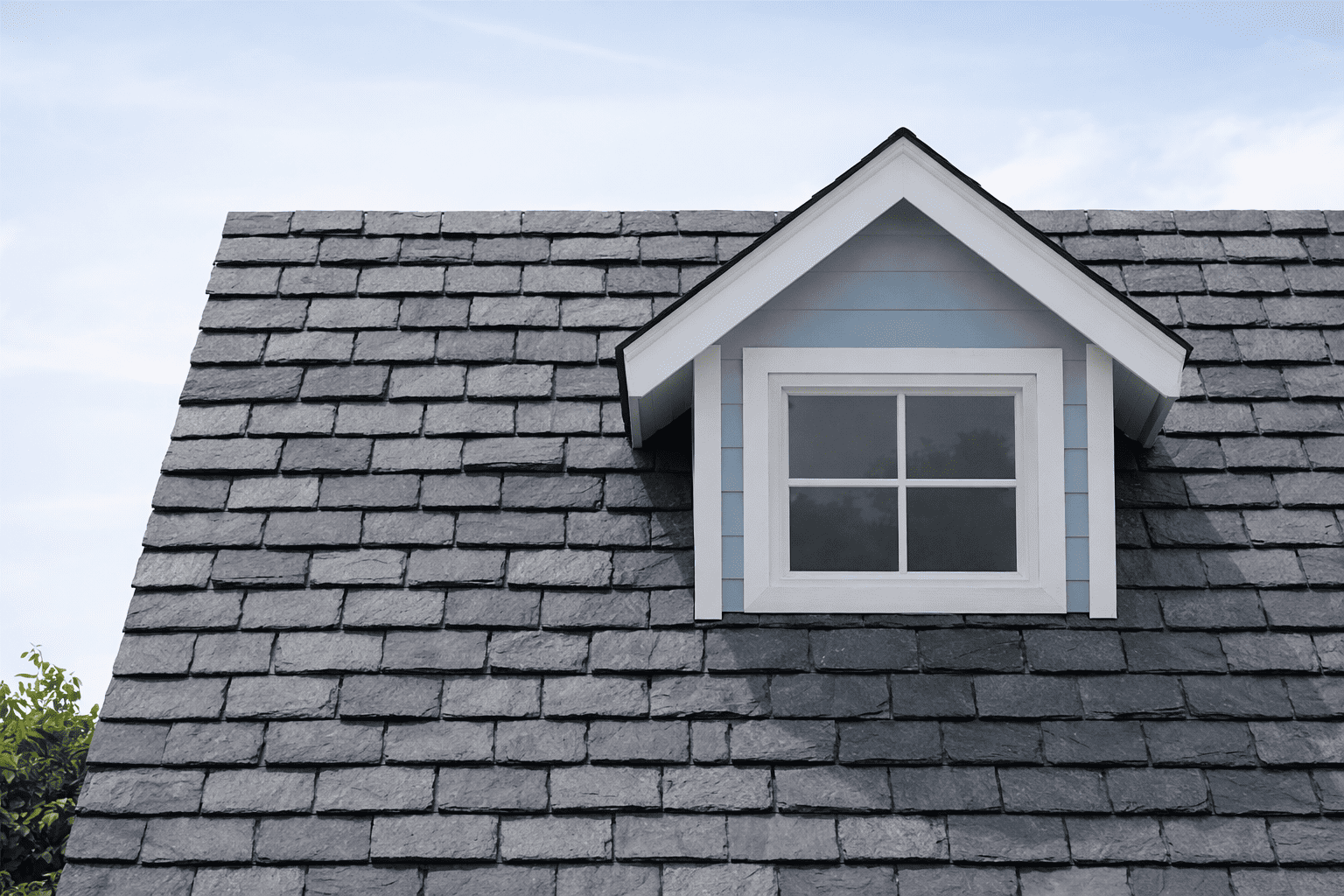
How Much Does a Slate Roof Cost?
-
TPO Roofing Cost
-
Attic Insulation Cost
-
How Much Does a Cedar Shake Roof Cost?
-
How Much Does it Cost to Repair a Roof?
-
How Much Does a Composite Roof Cost?
-

How Much Does It Cost to Replace a Flat Roof?
-
How Much Does a Tile Roof Cost?
-
Average Cost to Tear Off and Replace a Roof
-
How Much Does an Asphalt Shingle Roof Cost?
