







)
How We Calculated This Cost
HomeBuddy estimates roofing costs using real project pricing from completed residential roofing jobs, matched against the scope and details submitted in each project request. The estimates reflect roof repair, replacement, and storm damage projects, including differences in roof area, pitch, material, tear-off requirements, access, and underlying damage. Public pricing references are reviewed to confirm that published ranges remain consistent with current material and labor costs.
Expanded details
Data used: HomeBuddy project cost data, completed project costs, and residential project request details
Project scope: minor roof repairs, complete roof replacements, and replacements following storm or extreme-weather damage
Main cost factors: roof area, material type, roof pitch, existing roofing layers, tear-off and disposal requirements, site access, decking condition, and local labor costs
Location signals: ZIP, city, and state-level pricing patterns where available
Public references: used to confirm material and labor cost ranges and keep estimates aligned with current market conditions
Key Points
- Most attic insulation projects cost $1,500–$3,500.
- Installed attic insulation usually costs $1.50–$6.50 per square foot.
- Labor alone typically costs $0.25–$2.00 per square foot.
- Full attic insulation replacement can cost $3,000–$10,000+ when removal, air sealing, or spray foam is involved.
What Are the Biggest Attic Insulation Cost Drivers?
New Insulation vs. Replacing Old Insulation
Adding new insulation over existing material is usually the more affordable option if your current attic insulation is dry, clean, and not badly compressed. In this case, the contractor may only need to add blown-in, batt, or another insulation type until the attic reaches the recommended R-value.
Replacing old attic insulation is a larger project because the contractor must remove and dispose of the existing material before installing new insulation. This option is usually necessary when insulation is wet, moldy, pest-contaminated, damaged, or too compressed to perform well.
| Scenario | What It Involves | Typical Cost | Best For |
|---|---|---|---|
| Add new insulation over existing insulation | Adding new insulation over clean, dry existing insulation | $1,500–$3,500 | Attics that need a higher R-value but do not have damaged insulation |
| Replace old attic insulation | Removing old insulation, disposal, prep work, and installing new insulation | $3,000–$10,000+ | Attics with wet, moldy, pest-contaminated, damaged, or severely compressed insulation |
Comparing Attic Insulation Cost
Cost by Insulation Material
| Insulation Type | Cost per Sq Ft | Total Cost (1,500 sq ft attic) | Best For |
|---|---|---|---|
| Fiberglass batts | $0.90–$1.80 | $1,350–$2,700 | Budget installs, DIY |
| Blown-in cellulose | $1.00–$2.50 | $1,500–$3,750 | Retrofits, irregular spaces |
| Open-cell spray foam | $1.00–$3.00 | $1,500–$4,500 | Noise reduction, mild climates |
| Closed-cell spray foam | $2.00–$4.50 | $3,000–$6,750 | Maximum R-value, moisture resistance |
| Reflective/radiant barrier | $0.50–$2.20 | $750–$3,300 | Hot climates, reducing cooling costs |
Spray Foam vs. Cellulose vs. Fiberglass
Fiberglass is the most widely used attic insulation and the cheapest upfront option. It doesn't naturally resist air movement on its own, so it works best when the attic is already well-sealed. Blown-in fiberglass gives more complete coverage than batts in odd-shaped spaces.
Cellulose is made from 75–85% recycled materials and offers slightly better air resistance than fiberglass at a comparable price. It does settle over time—typically up to 15–20% over its lifespan—so installers add extra thickness upfront to compensate. It's a solid choice if environmental impact matters to you.
Spray foam costs significantly more but delivers the highest performance. Closed-cell spray foam also acts as a vapor barrier and can even strengthen roof decking—it's the only material that seals and insulates in one step. If your attic has serious air leak issues or you're insulating the roof deck rather than the floor, spray foam is usually worth the premium.
Air Sealing and Moisture Control in Attic Insulation
A lot of homeowners assume that piling on thick batts of fiberglass will solve their energy problems. Without tackling air and moisture movement, though, even the best thermal barrier will underperform.
DIY vs. Professional Attic Insulation: When to Do It Yourself vs. Hire a Pro
Since labor is a big chunk of any home improvement bill, it's natural to wonder whether you can handle this one yourself. The honest answer: sometimes yes, sometimes no—it depends on the job.
How to Understand R-Value?
When you're comparing materials or reviewing contractor quotes, you’ll see R-value mentioned constantly. Getting a handle on it helps you avoid overspending on unnecessary thickness.
How to Save Money Without Cutting Corners
These strategies can meaningfully reduce your attic insulation cost without sacrificing performance:
Frequently Asked Questions
Is attic insulation worth the investment?
Yes, and for most homeowners, absolutely. The average attic insulation price for a full upgrade ranged from $1,500 to $3,500, and most homeowners recoup that through energy savings within 3–6 years. The EPA estimates that properly sealing and insulating an attic saves an average of 15% on heating and cooling costs (or about 11% on total home energy costs). You also get improved comfort, better humidity control, and potentially a higher resale value—and the payback is fastest in climates with extreme winters or summers.
Does attic size affect the final price?
Directly and significantly. The cost to insulate an attic scales almost linearly with square footage since both labor and materials are priced per square foot. A 500 sq ft attic might cost $750–$1,800 installed, while a 2,000 sq ft attic can reach $3,000–$7,000+. The only exception: very small jobs sometimes carry minimum service charges that push the effective per-square-foot rate higher.
Should I add air sealing before insulation?
In nearly every case, yes. Air sealing is especially important if your attic has little to no insulation, or if your home was built before the 1990s, when building codes were less strict about thermal envelopes. Skipping it and just piling on more insulation is like wearing a thick sweater full of holes—you'll still feel the draft. Budget $200–$600 extra for professional air sealing and treat it as a requirement, not an optional upgrade.
Which insulation has the highest R-value?
Closed-cell spray foam leads all common types at R-6.0 to R-7.0 per inch, making it the most space-efficient option available. Polyisocyanurate (polyiso) rigid foam boards come close at R-5.8 to R-8.0 per inch but are rarely used as the primary attic insulation. Blown-in and batt materials land in the R-2.9 to R-3.8 per inch range, meaning you'll need more thickness to hit your target—but the installed cost is substantially lower.
The Bottom Line: Budget Smart, Insulate Right
Upgrading your attic insulation is one of the highest-return home improvements you can make, but only when it's done right. Choose your material based on your climate zone's R-value requirements, your budget, and whether air sealing is part of the plan. The attic insulation cost may feel significant upfront, ranging from $1,500 for a simple top-up to $10,000 for a full replacement with spray foam. However, the energy savings and comfort gains stack up year after year. Get at least three quotes from licensed contractors, ask specifically about air sealing, and check with your utility provider for any available rebates. Done right, your attic will keep paying you back for decades.
If you’re ready to move forward, HomeBuddy can connect you with verified local professionals for attic insulation quotes.
-
-
How Much Does a Standing Seam Metal Roof Cost?
-

How Much Does a Metal Roofing Cost?
-
Cost of Metal Roof vs Shingles
-
How Much Does a Slate Roof Cost?
-
TPO Roofing Cost
-
How Much Does a Cedar Shake Roof Cost?
-
How Much Does it Cost to Repair a Roof?
-
How Much Does a Composite Roof Cost?
-

How Much Does It Cost to Replace a Flat Roof?
-
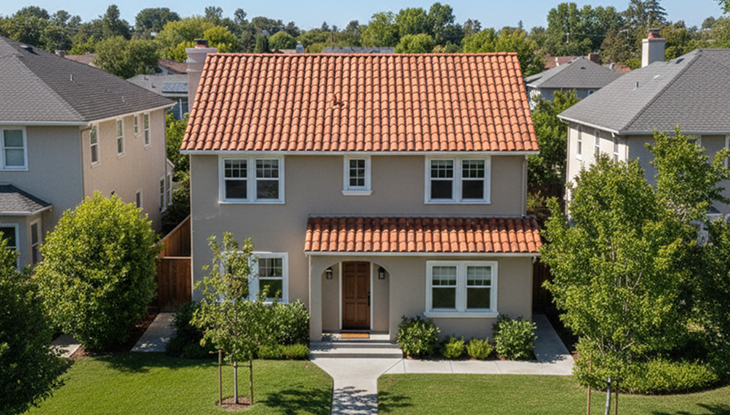
How Much Does a Tile Roof Cost?
-
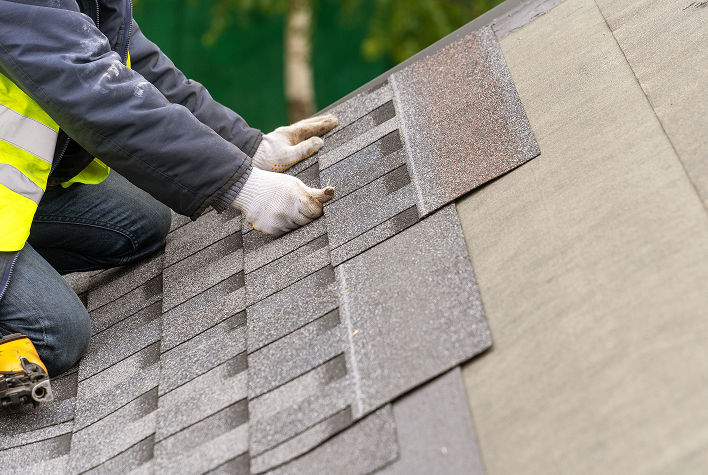
Average Cost to Tear Off and Replace a Roof
-
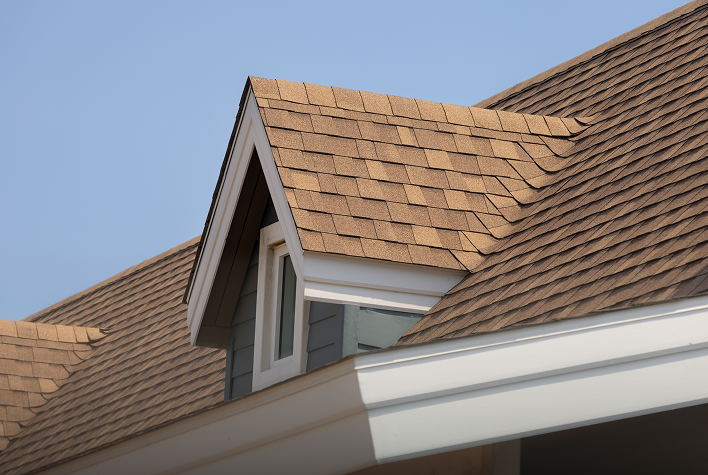
How Much Does an Asphalt Shingle Roof Cost?
