





)
How We Calculated This Cost
HomeBuddy estimates roofing costs using real project pricing from completed residential roofing jobs, matched against the scope and details submitted in each project request. The estimates reflect roof repair, replacement, and storm damage projects, including differences in roof area, pitch, material, tear-off requirements, access, and underlying damage. Public pricing references are reviewed to confirm that published ranges remain consistent with current material and labor costs.
Expanded details
Data used: HomeBuddy project cost data, completed project costs, and residential project request details
Project scope: minor roof repairs, complete roof replacements, and replacements following storm or extreme-weather damage
Main cost factors: roof area, material type, roof pitch, existing roofing layers, tear-off and disposal requirements, site access, decking condition, and local labor costs
Location signals: ZIP, city, and state-level pricing patterns where available
Public references: used to confirm material and labor cost ranges and keep estimates aligned with current market conditions
Key Points
- TPO is one of the most cost-effective single-ply flat roofing membranes available, beating PVC in price while matching it in seam strength.
- Membrane thickness (45-mil, 60-mil, or 80-mil) is one of the biggest factors affecting the final price, and the right choice depends on your roof's foot traffic and climate.
- Insulation accounts for roughly 25% of your total project cost; choosing the right type (Polyiso vs. EPS) can significantly shift your budget.
- DIY installation is not recommended — proper seam welding, the leading cause of TPO leaks, requires professional hot-air welding equipment and training.
- Getting at least three quotes from pre-screened, experienced contractors can save you thousands without compromising on quality.
What Is TPO Roofing, and Why Is It Used Everywhere?
TPO stands for Thermoplastic Polyolefin — a single-ply membrane made by blending polypropylene with ethylene-propylene rubber. The result is a flexible, scrim-reinforced sheet that can be heat-welded at the seams to create waterproof bonds that are 3-4 times stronger than the membrane material itself. The first TPO roofing was installed in 1986, and the material gained significant commercial traction in the early-to-mid 1990s.
TPO is most commonly available in white, light grey, tan, and black, with white being by far the most popular. Its white reflective surface can bounce back up to 80% of solar radiation — a meaningful advantage for any building trying to reduce cooling costs. It works on roofs with a pitch of 2:12 or less, which makes it the natural go-to for warehouses, retail centers, flat-roofed additions, and modern homes with low-slope sections.
What Is the Cost of a Roll of TPO Roofing?
Before considering labor, insulation, or tear-off, the TPO roofing cost per square foot for the membrane material alone is $1.00 to $2.50. Rolls are typically 100 feet long and come in widths of 6, 10, or 12 feet. A single standard 10×100-foot roll yields 1,000 square feet of material, but covers a smaller functional area due to the necessary seam overlaps.
What Drives the Price of a TPO Roll?
Key Factors That Affect Your Final Cost to Install a TPO Roof
The Benefits and Drawbacks of TPO Roofing
- Energy efficiency: The white reflective surface can reduce cooling costs by 10–30% compared to a dark membrane. On a 10,000 sq ft building spending $15,000 annually on air conditioning, that's $1,500–$4,500 back in your pocket every year.
- Heat-welded seams: Unlike EPDM, which relies on adhesive or tape, TPO seams are fused with hot air — creating bonds that are 3–4 times stronger than the membrane itself and far more resistant to seam failures over time.
- Recyclability: TPO membranes are 100% recyclable at the end of life.
- Mold and algae resistance: TPO's smooth surface discourages biological growth without the need for chemical treatments.
- Flexibility: The material expands and contracts with temperature changes without cracking, making it suitable for climates with significant seasonal temperature swings.
- Cost competitiveness: Among single-ply membranes, TPO consistently comes in as the most affordable option that still offers heat-welded seam strength.
- Shorter track record than EPDM: EPDM has been widely used on roofs since the 1970s. TPO has only been widely used since the late 1990s, meaning there's less long-term field data on how certain formulations age.
- Inconsistent quality across brands: Because ASTM standards for TPO are regularly updated, there is wider variability between products than with PVC. Some lower-quality formulations have shown early cracking and seam failure — particularly in prolonged high-UV or extreme-cold environments.
- Thinner membranes puncture easily: A 45-mil TPO sheet is vulnerable to foot traffic damage, dropped tools, or hail. On roofs with regular service traffic, choosing a thinner membrane to save money upfront can lead to higher long-term maintenance costs.
- Repairs require specialized tools: Unlike EPDM, you can't patch TPO with a tube of sealant. Proper repairs require a hot-air welder, making DIY fixes difficult and potentially voiding your warranty.
- Poor chemical resistance: Buildings with rooftop kitchen exhaust, grease vents, or chemical storage require PVC — TPO degrades under sustained chemical exposure.
TPO Insulation Options: Where 25% of Your Budget Goes
Insulation is not optional — it's a core system component, and it accounts for roughly one-quarter of the typical cost to replace a TPO roof. Your choice here affects both performance and your heating/cooling bills for years to come.
Polyisocyanurate (Polyiso) Insulation
Polyiso is the most commonly specified insulation under TPO. It delivers the highest R-value (around R-5.6 to R-6.5 per inch), making it the most thermally efficient option. The typical cost is $1.60–$2.40 per square foot. Keep in mind that Polyiso experiences a significant reduction in R-value in cold temperatures, losing 38–50% of its rated performance at or below freezing. Also, it is combustible, which may matter for buildings with specific fire code requirements. Despite these limitations, Polyiso is the industry's go-to choice for most commercial and residential flat roofs.
Expanded Polystyrene (EPS) Insulation
EPS (the same foam used in coffee cups, just much denser) is valued for its consistent R-value in cold temperatures and excellent moisture resistance. Unlike Polyiso, EPS doesn't experience thermal drift in cold climates, making it a strong choice for northern regions. It is typically less expensive than Polyiso and costs $0.50-$1.50 per square foot.
Cover Boards and Their Role in the System
Cover boards are a thin, rigid layer installed between the insulation and the TPO membrane. They serve two critical functions: protecting the insulation from mechanical damage during installation and providing a consistent, smooth surface for the membrane to bond or fasten to. Common options include HD polyiso cover boards and gypsum fiber boards. Expect to add $0.50–$1.00 per square foot for this component. Many roofing contractors include cover boards as a standard part of the system spec; if yours doesn't, it's worth asking why.
Installing TPO Roofing: What Happens on Your Roof
A proper TPO roofing installation follows this sequence:
TPO Roofing Maintenance: Protecting Your Investment Over Time
A properly maintained TPO roof can last 20–25 years. Without maintenance, service life can drop to as little as 10–15 years. Fortunately, keeping a TPO roof healthy doesn't require much — just consistency.
Routine Inspections
Schedule a professional inspection twice a year — spring and fall are ideal. A roofer will check for membrane blistering, lap seam separation, flashing failures, and signs of ponding water. Many minor issues can be handled during routine maintenance before they turn into full repairs that often cost $600–$3,000. Keep documentation of all inspections (notes and photos) — it's essential if you ever need to file a warranty or insurance claim.
Cleaning Debris from the Membrane
Debris accumulation — leaves, branches, dirt — traps moisture against the membrane and accelerates wear. Keep the roof surface clear and ensure that drains and scuppers are flowing freely, especially before winter. Never use abrasive cleaners or pressure washing on TPO; mild soap and a soft brush are all that's needed. Professional cleaning typically costs $300–$700 and is worth doing when algae or biological growth is visible.
Checking Seams and Flashing After Storms
After heavy rain, strong wind events, or hail, inspect the roof from a safe location or have a professional check it for seam lifting, punctures, or displaced flashing. Hail impacts are a common cause of membrane punctures, and even small holes can admit enough water to cause significant interior damage over a winter season. If your TPO has a UL 2218 Class 4 impact rating, it can withstand repeated 2-inch steel ball impacts without cracking — but thinner 45-mil membranes may not carry that rating, making post-storm checks especially important.
TPO vs. Alternative Flat Roofing Materials
When budgeting for a flat roof, you will likely compare TPO to other common materials like EPDM (rubber) and PVC. EPDM is slightly cheaper. Standard EPDM is black and absorbs rather than reflects heat, driving up summer cooling costs; its glued seams are also more vulnerable to failure over time than TPO's heat-welded bonds.
PVC, on the other hand, is a premium alternative. TPO is generally more affordable than PVC when comparing similar flat roofing systems, because PVC membrane and installation costs usually run higher than comparable TPO options. PVC shares the same heat-welded seams and white reflective surface as TPO but offers far superior chemical resistance.
For standard residential homes, TPO offers the perfect middle ground: the energy efficiency of PVC at a price point closer to EPDM.
Money-Saving Strategies That Actually Work
HomeBuddy connects homeowners with pre-screened roofing contractors near you who specialize in flat and low-slope systems. You can also compare related budgets in our roof replacement cost guides before requesting quotes.
Frequently Asked Questions
Does a TPO roof cost less than PVC?
Yes, in most scenarios, the price for TPO roofing installation is slightly lower than PVC. While both materials have similar installation labor requirements, the raw TPO membrane is usually cheaper to manufacture. This makes TPO the preferred choice for homeowners looking for high energy efficiency without the premium price tag of PVC systems.
Is it safe to install TPO roofing yourself?
In theory, there are no legal prohibitions. In practice, DIY may look attractive because the membrane alone can cost far less than a full installed system, but the final material cost still depends on roof size, membrane thickness, adhesives, and required equipment. More importantly, some manufacturers may limit or void warranty coverage without certified installation, and improper welds can cause leaks that raise your repair cost far beyond labor savings.
Is TPO the Right Roof for You?
TPO is a strong value for homeowners and building owners with flat or low-slope roofs. It is usually more affordable than PVC and outperforms EPDM on energy efficiency. The real keys to getting your money's worth are the right membrane thickness, quality insulation, a contractor with documented TPO experience, and a consistent maintenance routine.
Get multiple quotes, ask contractors to show their seam welding process, and don't skip the annual inspection. A well-installed, well-maintained TPO roof should give you 20+ years of leak-free performance — and HomeBuddy is here to help you find the right contractor to make that happen.
-
-
How Much Does a Standing Seam Metal Roof Cost?
-
Cost of Metal Roof vs Shingles
-
Attic Insulation Cost
-
How Much Does a Cedar Shake Roof Cost?
-
How Much Does it Cost to Repair a Roof?
-
How Much Does a Composite Roof Cost?
-

How Much Does It Cost to Replace a Flat Roof?
-
How Much Does a Tile Roof Cost?
-

How Much Does a Metal Roofing Cost?
-
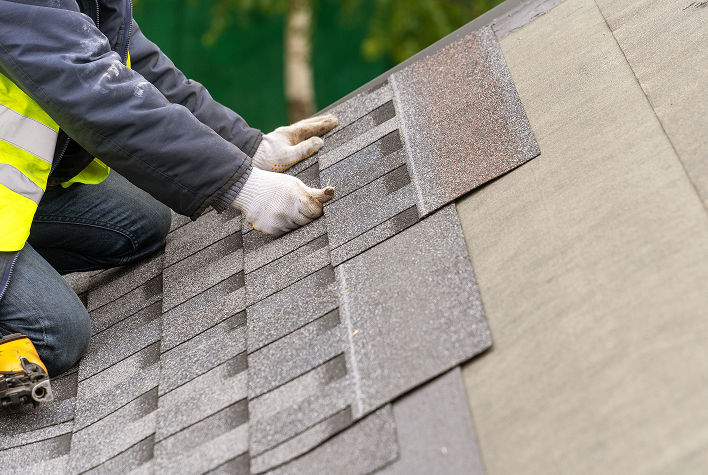
Average Cost to Tear Off and Replace a Roof
-
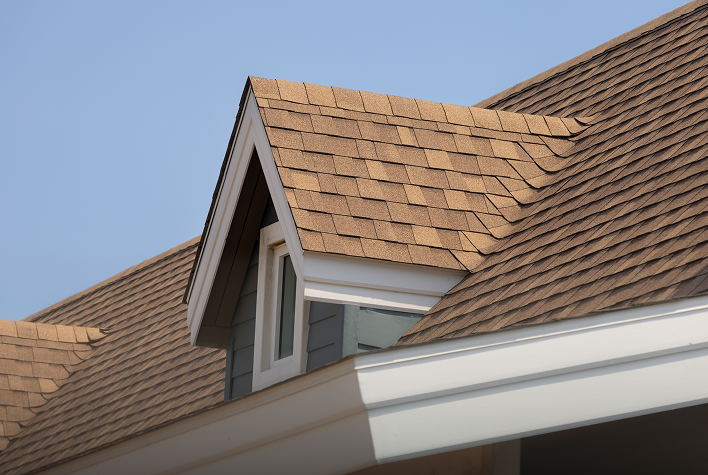
How Much Does an Asphalt Shingle Roof Cost?
-
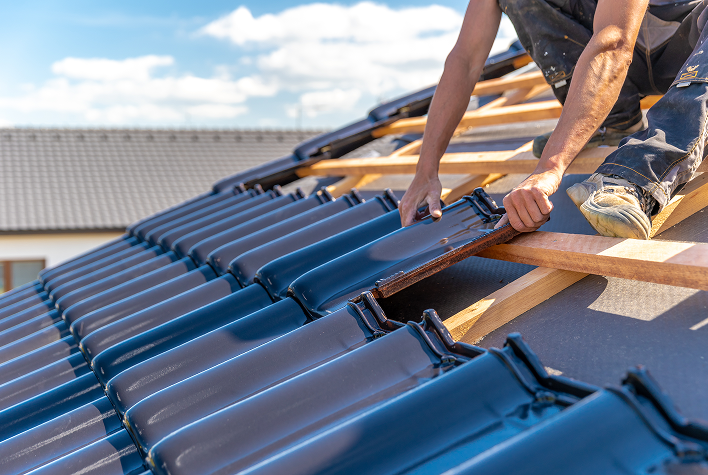
How Much Does It Cost to Replace a Roof?
-

Cost calculator test
-
Roof Inspection Cost
-
Test cost?
