Key Points
-
Dallas–Fort Worth's expansive clay soil often requires deeper piers and higher pier counts than other parts of Texas, pushing costs at or above the state average.
-
Seasonal clay shrink-swell cycles, not poor original construction, are the leading cause of local foundation movement.
-
The City of Dallas generally requires a permit for stabilizing repairs, with fees typically running $35–$300 depending on scope.
-
Watering the soil around your foundation's perimeter during hot, dry months can help prevent new cracking.
Average Foundation Repair Cost in Dallas
Most Dallas homeowners land somewhere in the $4,000–$14,000 range for a stabilizing repair, though the final number depends heavily on how many piers a foundation needs and how deep they have to go. Minor issues like hairline cracks can run well under $1,000 to seal, while extensive structural work involving many piers or wall reinforcement can climb past $15,000 and occasionally reach $30,000.
Dallas–Fort Worth tends to sit at or above the broader Texas average for one specific reason: the clay formations underlying the area are aggressive enough that contractors often need to install piers deeper, and in greater numbers, than they would for comparable damage elsewhere in the state. A home with the same visible cracking in Dallas and, say, a coastal Texas city won't necessarily cost the same to fix, because the soil itself is driving the pier count.
-

The clay underneath the metro
Dallas–Fort Worth sits on the Blackland Prairie, a band of soil underlain by the Eagle Ford Shale and Austin Chalk formations. These layers produce highly expansive clay, meaning the ground swells when it absorbs rainwater and shrinks again once the summer heat dries it out. In a hot, dry Texas summer, that shrink-swell cycle can move the soil several inches between its wettest and driest states.
-
How the cycle damages a foundation
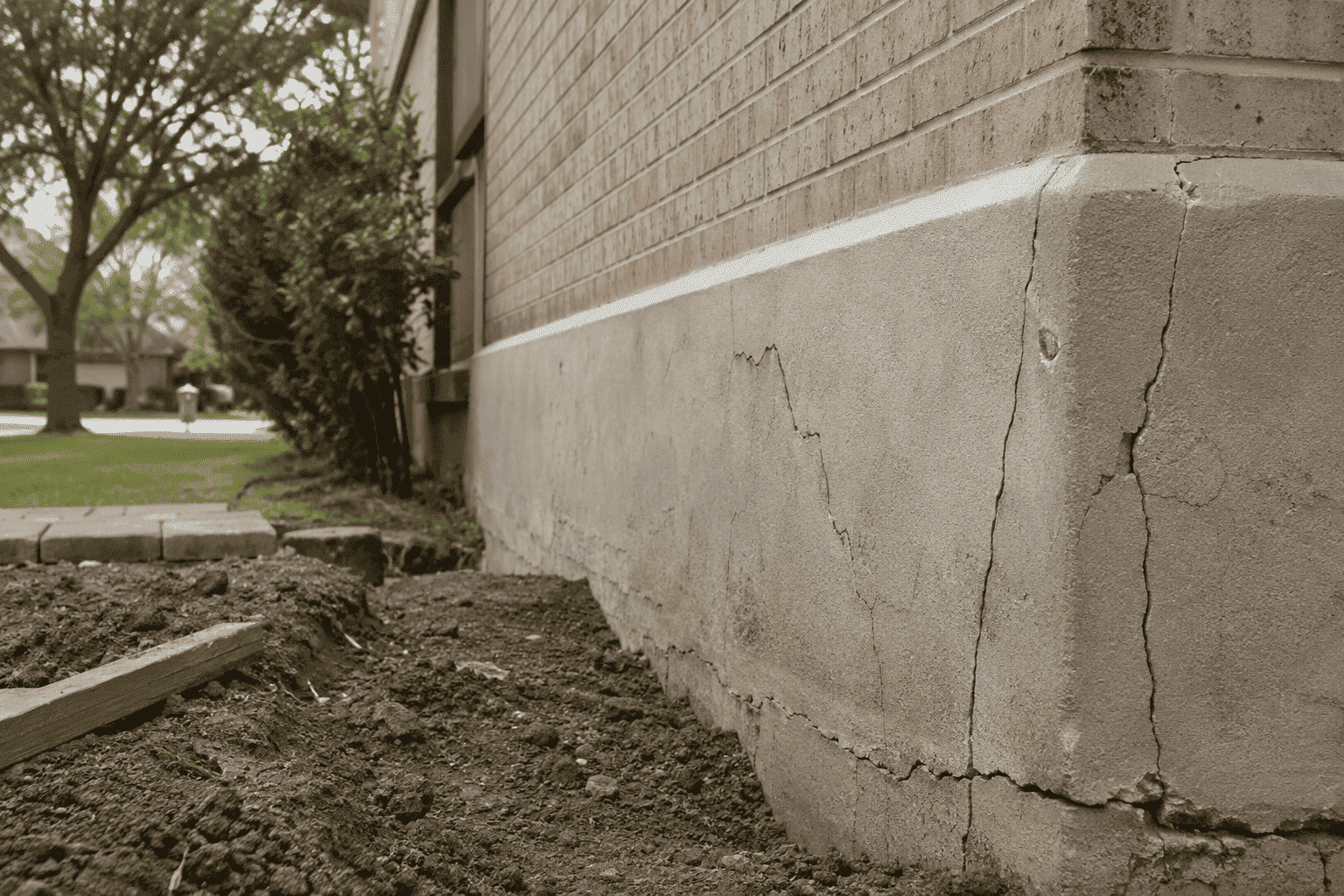
That repeating expansion and contraction is the primary force behind the cracks, sticking doors, and uneven floors homeowners notice over time. Every wet-to-dry cycle puts a little more stress on a slab or pier-and-beam foundation, and the movement doesn't stop just because a house is well-built. It's a function of what's underneath the house, not a flaw in how it was constructed.
-
Why older homes show it more
Age compounds the problem. Many Dallas homes have now weathered decades of these seasonal cycles, and each one adds a bit more accumulated stress to the foundation. A house built in the 1960s or 1970s has been through far more shrink-swell seasons than a home built ten years ago, which is part of why older neighborhoods tend to show more visible movement.
Cost Differences Across Dallas-Area Neighborhoods
Where you live in the Dallas area affects both how likely you are to need foundation work and, in some cases, how extensive it will be. Older inner-Dallas neighborhoods like Lakewood, Oak Cliff, East Dallas, and the M Streets have housing stock that's typically 50 to 90 years old, much of it built on original pier-and-beam systems or unreinforced slabs. These homes sit on some of the area's most reactive clay, and decades of shrink-swell cycles have had more time to take a toll.
Arlington and Grand Prairie sit directly on the Eagle Ford shale formation, which tends to correspond with a higher rate of foundation activity in those areas. Mid-cities communities, including Mesquite, Garland, Irving, and Euless, also see notably high volumes of foundation repair work.
None of this means a newer home elsewhere in the metro is immune. Soil composition varies block by block in some cases, and a professional inspection is the only reliable way to know what's happening under a specific property. But the pattern across these areas is consistent enough that it's worth knowing if you're budgeting for a home in one of them.
Cost by Repair Method
The method a contractor recommends usually has more influence on your final bill than almost anything else, since a simple crack seal and a full piering job aren't remotely comparable jobs.
| Repair Method | What It Addresses | Typical Cost |
| Crack sealing | Hairline and minor cracks | $300–$800 |
| Polyurethane foam injection | Void filling, slab lifting | $1,000–$3,000 |
| Slab-jacking/leveling | Sunken slab sections | $900–$2,000 |
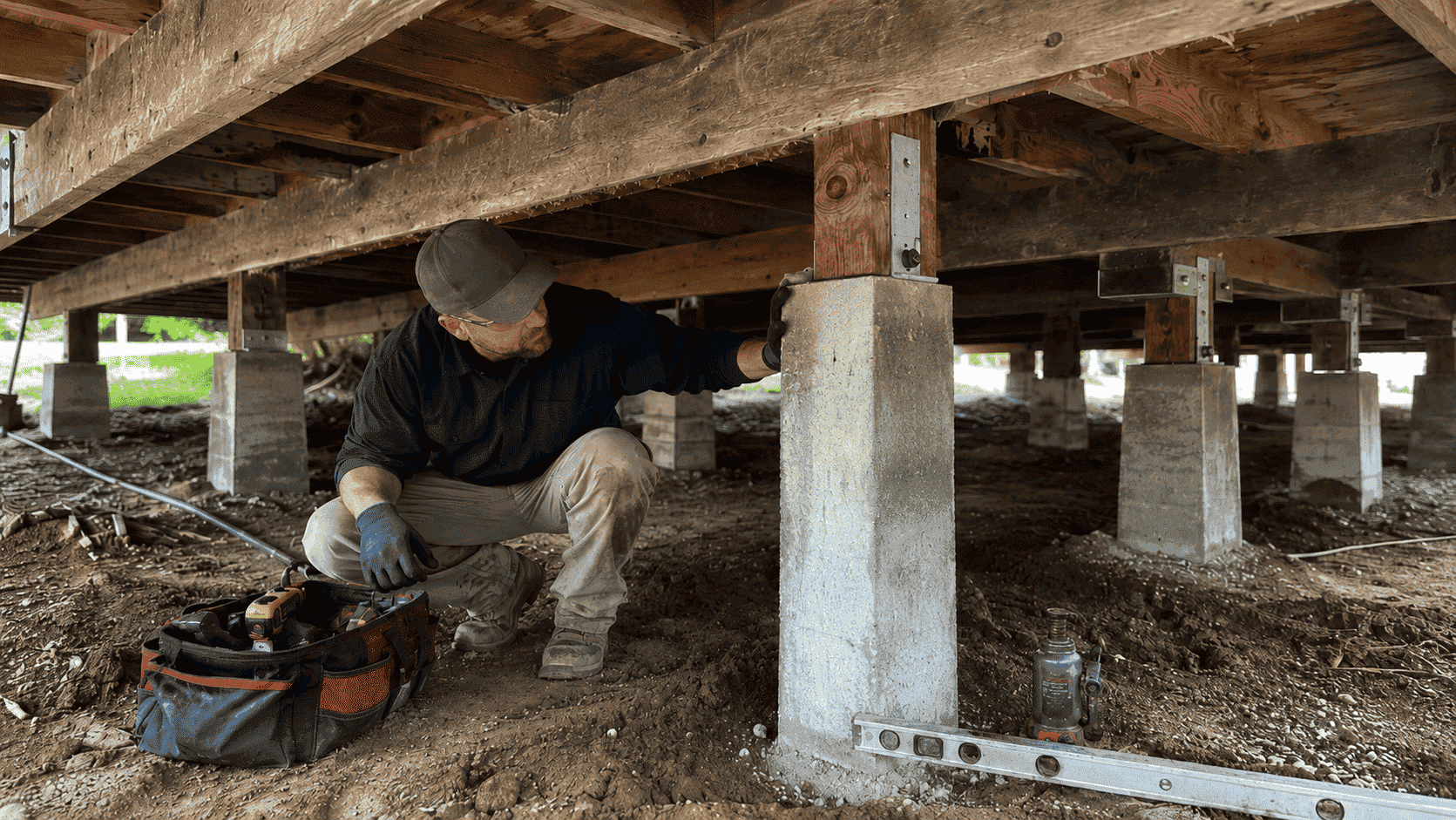
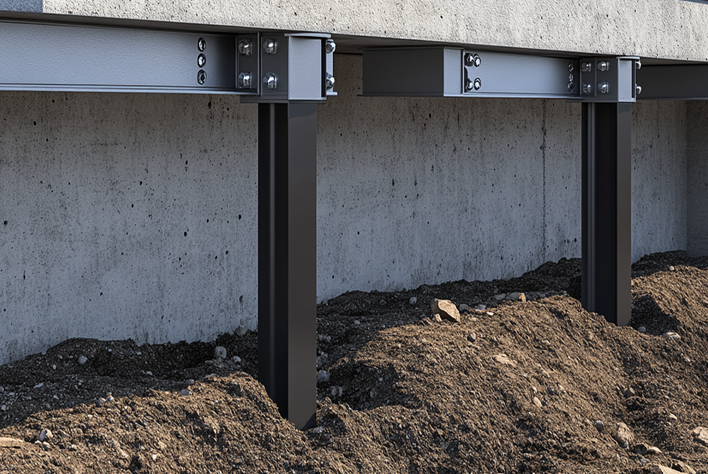
| Steel piers | Deeper or more severe settlement | $1,500–$3,000 per pier |
| Helical piers | Controlled deep support, tight access | $2,000–$4,000 per pier |
| Piering/stabilization (general) | Moderate to significant settlement | $1,000–$6,000 |
| Reinforcement | Bowing walls, structural weakness | $1,000–$13,000 |
| Waterproofing | Moisture control, water damage prevention | $5,000–$10,000 |
Within any of these ranges, pier count and pier type usually determine where a specific project actually lands. Two homes needing steel piers can end up thousands of dollars apart in total cost simply because one needed six piers and the other needed two. A professional inspection is the only way to confirm which method actually fits your situation, and for a detailed, line-by-line breakdown of what should appear on a quote along with common red flags, our Texas foundation repair guide covers that in depth.
Permits, Taxes, and Licensing in Dallas
-

Permits: The City of Dallas Building Inspection Department generally requires a permit for foundation repairs that involve stabilizing methods like piering, though minor work such as crack sealing may not trigger that requirement.
-
Permit fees: Typically run $35–$300, depending on the scope of the project.
-
Sales tax: Materials purchased for your repair are subject to Dallas's combined sales tax rate of 8.25% (6.25% state plus up to 2% local); labor for residential repair work is not taxed.
-
Contractor licensing: Texas doesn't require contractors to hold a statewide license, but reputable contractors still carry business licensing along with bonding and insurance, and those costs get built into the labor rates they quote, which typically run $95–$299 per hour.
-
Independent engineer review: If a lender, insurer, or dispute requires a structural assessment, a flat-fee report generally runs $250–$600, or $100–$200 per hour for ongoing involvement.
How to Protect Your Foundation Between Repairs
One of the most effective, lowest-cost things you can do for your foundation doesn't involve a contractor at all: keep the soil around it consistently moist during Dallas's hot, dry summer months.
-

Water the perimeter, not just the lawn. Keep the soil moist roughly 20 to 24 inches out from the house to help the area's expansive clay from drying out and pulling away from the slab, one of the most common triggers of new cracking.
-
Use a soaker hose. Running one along the foundation line makes it easy to keep watering consistent without much daily effort.
-
Prioritize this during drought. The shrink half of the shrink-swell cycle accelerates in extended dry spells, and while watering restrictions sometimes apply, perimeter watering is often worth prioritizing over routine lawn irrigation since it protects the structure itself.
Does Insurance Cover It, and Is It Worth Fixing?
Standard homeowners insurance typically does not cover foundation damage caused by soil movement or gradual settling, since insurers generally treat that as a maintenance issue rather than a covered peril. Damage tied to a sudden covered event, like a burst pipe undermining the foundation, may be treated differently.
Whether or not insurance helps, a documented and professionally completed repair tends to protect a home's resale value, while foundation movement left unaddressed generally gets more expensive to fix the longer it's ignored.
Frequently Asked Questions
How much does foundation repair cost in Dallas?
Most Dallas homeowners pay between $4,000 and $14,000 for a stabilizing repair, though minor crack sealing can cost under $1,000 and extensive structural work can exceed $15,000.
Do I need a permit for foundation repair in Dallas?
Permits are generally required in Dallas for stabilizing methods like piering, though minor repairs such as crack sealing often don't need one. Fees typically run $35–$300 depending on project scope.
Why do Dallas homes have so many foundation problems?
The expansive clay underlying the Dallas–Fort Worth area, part of the Blackland Prairie's Eagle Ford Shale and Austin Chalk formations, swells and shrinks significantly between wet and dry seasons. That repeated movement, not poor construction, is the main driver of local foundation issues.
Does homeowners insurance cover foundation repair in Texas?
Coverage is unlikely for foundation damage caused by soil movement or gradual settling, since most policies treat that as a maintenance issue. Damage tied to a sudden covered event may be handled differently.
How can I tell if my home has a foundation problem?
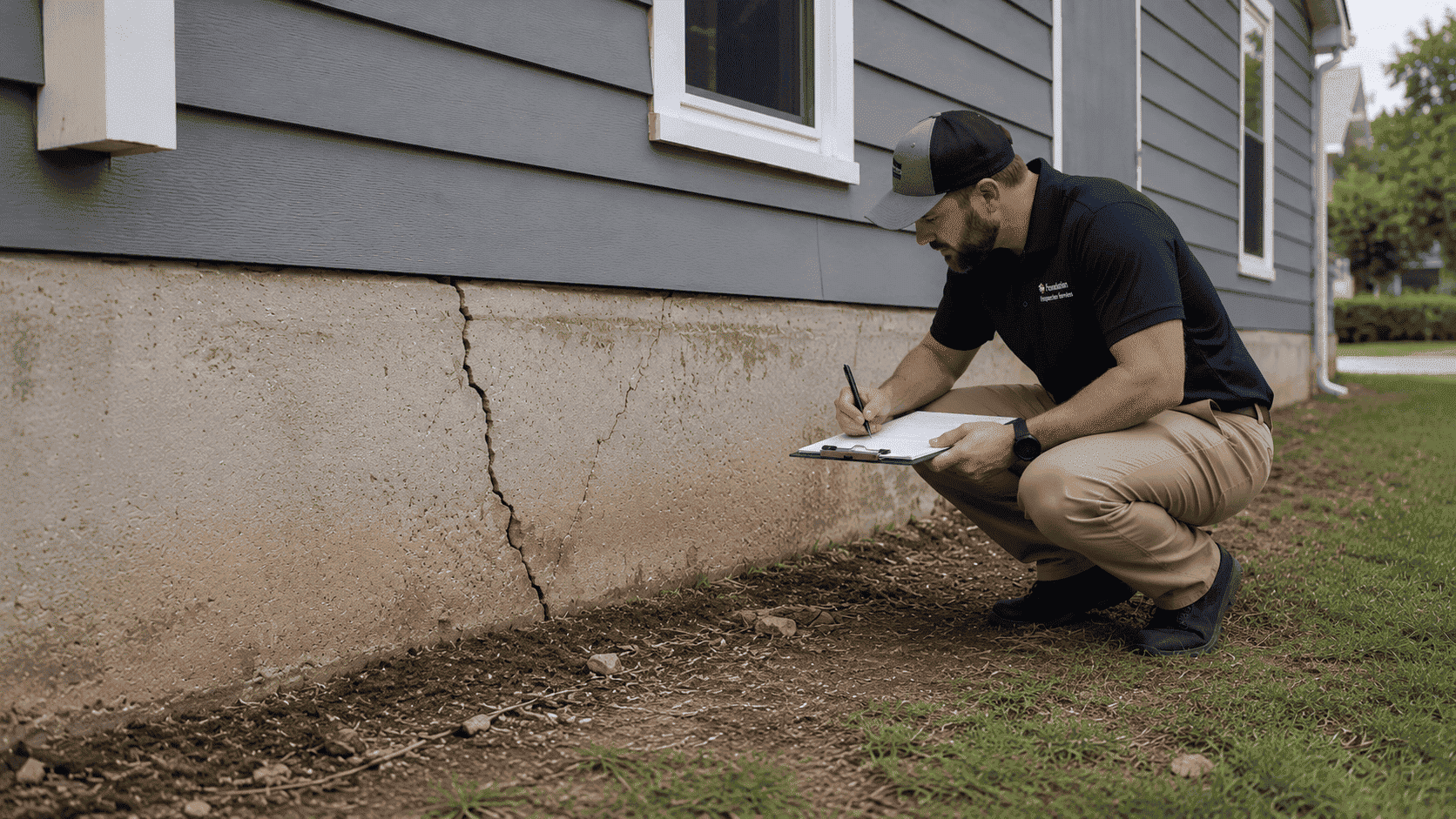
Warning signs include cracks in walls or slabs, doors and windows that stick or won't latch properly, and floors that feel noticeably sloped or uneven. A professional inspection is the most reliable way to confirm what's causing them.
Foundation repair in Dallas typically runs $4,000–$14,000, with the region's expansive clay soil and its seasonal shrink-swell cycle behind most of what pushes projects toward the higher end. Getting ahead of small cracks before they spread saves money either way, and if you're ready to move forward, you can compare foundation repair contractors near you to get quotes for your specific situation.


)