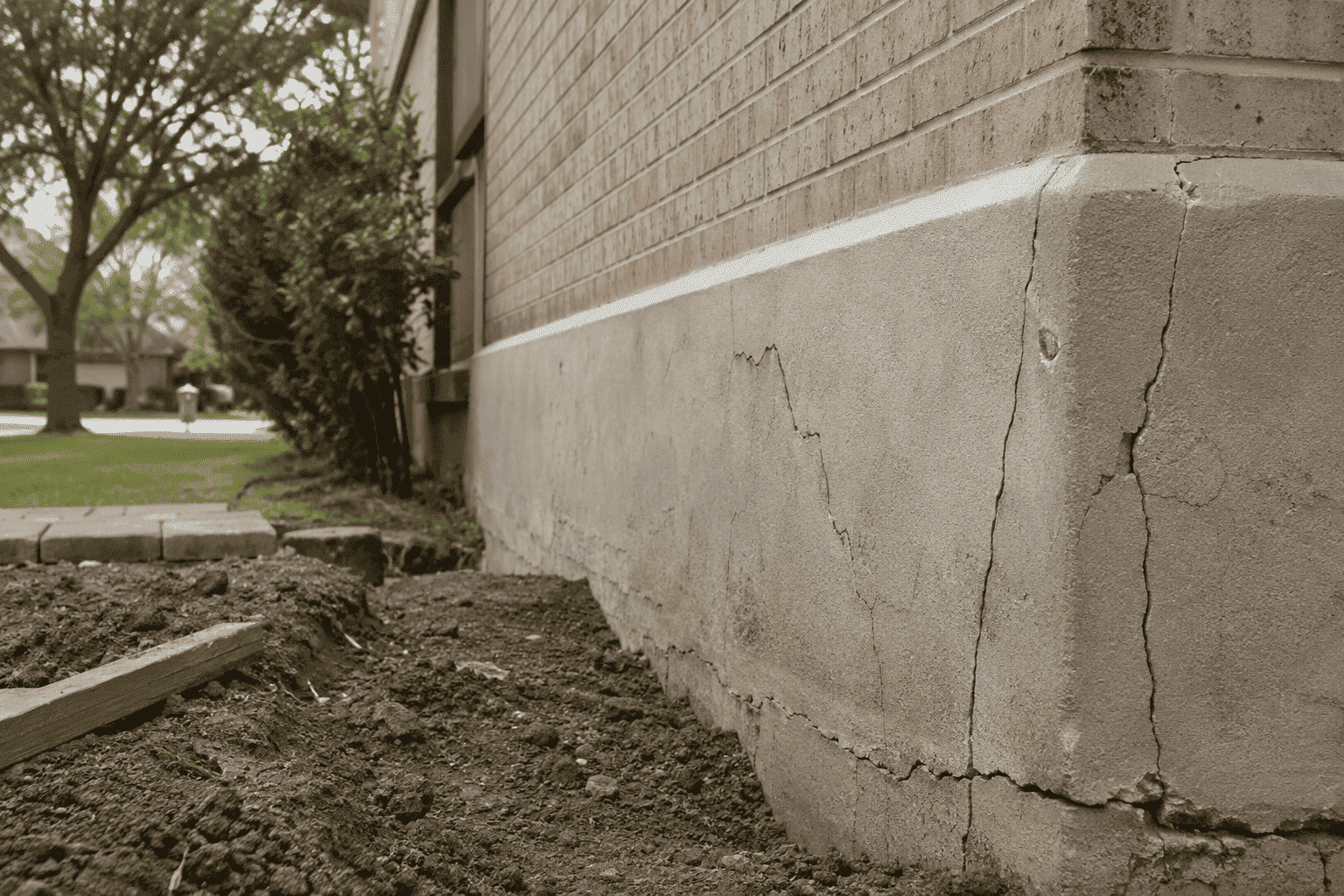
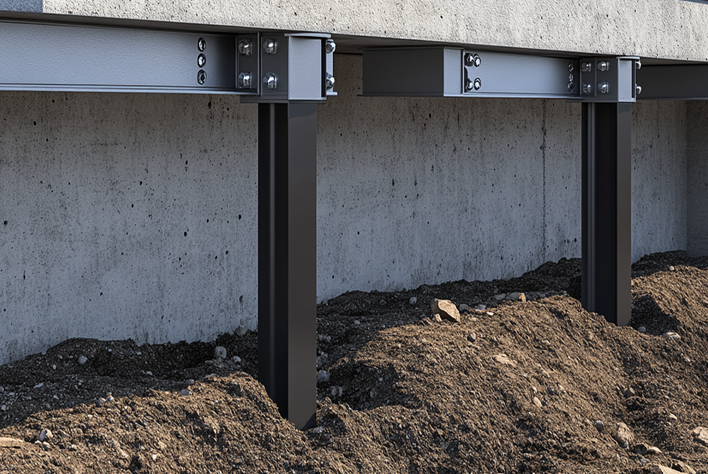
Key Points
- Most homeowners pay an average of $3,000–$9,500, while budgets can range from $1,000 for minor jobs to over $40,000 for structural overhauls.
- Repair type is the biggest cost driver — shimming costs far less than pier or beam replacement.
- Crawl space accessibility, soil conditions, and local labor rates directly affect the final cost.
- Many foundation issues are caused by water damage; checking your foundation regularly will save you thousands of dollars.
- Most homeowners' insurance policies do not cover routine foundation damage, soil expansion, or wear and tear. Be ready to pay out of pocket.
How Much Does Pier and Beam Foundation Repair Actually Cost?
To understand how much you can expect to spend, you should remember that these systems are modular, and it's almost impossible to bill them at a single flat rate. Instead, the total cost is made up of different components and engineering solutions. Here is a table comparing the typical cost range depending on the repair scope:
| Repair Scope | Typical Cost Range |
| Minor reshimming | $1,000-$3,500 |
| Pier reinforcement or replacement | $1,500-$6,000 |
| Beam replacement (per beam) | $1,500-$4,000 |
| Floor joist repair | $1,500-$5,000 |
| House leveling / re-shimming | $1,500-$10,000 |
| Moisture control/crawl space work | $3,000-$8,000 |
| Underpinning / piering | $10,000-$20,000+ |
| Full foundation rebuild | $20,000-$40,000+ |
One important note: these are per-project estimates, and most projects combine several methods at once. A contractor who finds rotting beams will often discover moisture issues underneath, which increases your budget.
Average Price Ranges by Repair Severity
An alternative approach is to break costs down by repair severity. Categorizing by severity provides a more accurate estimate and helps you set realistic expectations before you sign a contract.
| Severity Level | What It Typically Involves | Cost Range |
| Minor | Reshimming, small pier adjustments, vapor barrier | $1,000-$4,000 |
| Moderate | Multiple pier repairs, beam sistering, drainage fixes | $4,000-$9,500 |
| Major | Full beam replacement, structural leveling, wood rot | $9,500-$18,000 |
| Severe | Rebuild, underpinning, termite damage, full crawl space overhaul | $18,000-$40,000+ |
Catching the issue in the minor stage is the best way to protect your wallet. Minor repairs are like routine maintenance, addressing small issues before they affect the structural balance of the entire system.
Cost Breakdown by Repair Type
Since pier and beam foundations are assembled from multiple distinct components, your final bill depends entirely on which parts are failing. Let’s break down the prices by the specific type of repair.
-

Pier Replacement or Reinforcement
When piers deteriorate, shift, or can no longer distribute the home's weight evenly, contractors either reinforce the existing ones or install new ones alongside them. Adding a single new pier typically costs $2,000 to $4,000, while reinforcing deteriorated piers with steel or concrete costs from $1,500 to $3,000 per pier. Tight crawl spaces that require extra labor or excavation increase the budget.
-
Beam Repair or Replacement
Beams are the horizontal members that span across piers and carry the floor structure above. When they rot, warp, or crack — usually from moisture or pests — contractors lift the home and swap them out for pressure-treated lumber or steel. Expect to pay $1,500 to $4,000 per beam. A less invasive option called sistering, where a new board is attached alongside the damaged one, is cheaper and works well when damage is isolated rather than widespread.
-
Floor Joist Repairs
Joists sit directly beneath the flooring and are the most vulnerable components in the system. They fail quietly, which is why bouncy or spongy floors are often the first sign of trouble. Joist replacement typically costs $1,500 to $5,000 and almost always happens alongside beam work, since the two share the same moisture and pest risk factors. Spacing joists too far apart — a common practice in older construction — accelerates wear and often requires adding new joists rather than just replacing damaged ones.
-
House Leveling and Re-shimming
Re-shimming is the most common and most affordable pier and beam repair. Contractors wedge small pieces of steel, composite, or wood between the piers and beams to fill gaps caused by settling or wood shrinkage. The process restores the home to level and is often completed in a single day. Total cost ranges from $1,500 to $10,000, depending on how much of the home has settled and how many adjustment points are needed.
-
Underpinning and Structural Support Work
Underpinning is for serious, chronic settling, when the soil beneath the foundation can no longer hold the load. Contractors drive steel or concrete piers deep into stable soil or bedrock, transferring the home's weight past the problem zone. It's the most durable repair available, but also the most expensive: $10,000 to $20,000 or more, with the national average around $14,000 for a typical underpinning project. Cost scales with the number of piers required and soil depth to reach stable ground.
-
Moisture Control and Crawl Space Repair
Moisture is the slow killer of pier and beam foundations. If you don’t check it, it rots wood, feeds mold, attracts termites, and accelerates soil movement. Moisture management isn't optional — it's what makes every repair last longer. Key services include:
- Vapor barrier installation: $1,000–$3,000 (basic); $3,000–$15,000 (full encapsulation)
- Sump pump installation: $600–$2,500
- French drain: $1,200–$4,500
- Yard regrading: $1,000–$3,000
- Gutter installation: $2,200–$5,000
- Crawl space dehumidifier: $800–$2,500
Many contractors will bundle vapor barrier work with structural repairs at a discounted combined rate. It’s worth asking about when you request quotes.
What Factors Affect Pier and Beam Repair Costs
-

Home Size
Larger homes have more piers, more beams, and more floor area to level. More total square footage also means more crawl space to access, inspect, and seal. Additionally, multi-story homes have a much heavier load on the foundation, which requires thicker support beams, more closely spaced piers, and higher-capacity hydraulic lifting equipment.
-
Crawl Space Accessibility
Access to your crawl space is a major labor variable. A generous 36-inch clearance lets a crew work efficiently with standard tools. A low-clearance crawl space under 18 inches means workers must crawl, tools need to be dragged in one by one, and everything takes longer — sometimes two to three times as long. Blocked crawl space entries, structural obstacles, or proximity to plumbing and electrical also affect how easily contractors can maneuver, influencing both labor hours and the equipment they bring.
-
Soil Conditions
Expansive clay soil — common across Texas, Oklahoma, and parts of the Midwest — absorbs moisture and swells, then contracts as it dries, causing differential settlement. Installing piers in clay where bedrock is close costs $6,000–$10,000 for three to five piers; the same job in sandy soil can cost $9,000–$15,000 because piers need to go deeper to reach stable ground.
Clay soil also increases reshimming frequency. Over a decade, that difference becomes significant.
-
Local Labor Rates
Foundation repair costs vary significantly by region. Contractors in California, New York, and other high-cost-of-living markets charge 20–40% more than those in the Southeast or Midwest for the same work. Texas, which has a high concentration of pier-and-beam homes due to its expansive clay soils, has a broad market with competitive pricing, but even there, quotes vary widely between companies.
-
Permits
Most jurisdictions require a permit for structural foundation work. Permit fees typically cost $100 to $500, though some municipalities charge more for major structural repairs. Beyond the fee, permits add inspection requirements that extend the project timeline. Skipping permits to save money is a serious mistake — unpermitted foundation work can cause problems when you sell the home and may void contractor warranties.
-
Repair Method or Crew Approach
Contractors can approach the same problem in several ways. You could choose to brace a failing pier with basic concrete blocks, or you could pay for polyurethane foam injection to stabilize the surrounding soil. Steel is more expensive than treated wood, and 20-mil vapor barriers cost more than 10-mil plastic sheets. The longevity and quality of the materials you select will affect the final price.
Common Pier and Beam Problems That Increase Repair Costs
-

Sagging or Uneven Floors
Sagging floors are usually the first visible symptom of pier and beam trouble. The cause is almost always settling piers, failing beams, or deteriorating joists — sometimes all three. Fixing it at the early stage, when settling is localized, will significantly reduce your budget — you can keep costs in the $1,500–$5,000 range. If you wait until the sag affects a large area of the floor, the budget will increase to the $8,000–$15,000 range.
-
Damaged or Shifting Piers
Piers can deteriorate from age, poor initial construction, or soil movement. Concrete block piers crack and crumble. Wooden piers (common in older homes) rot and compress. Even when the piers themselves are intact, erosion or soil expansion can shift them laterally, causing uneven load transfer. Each damaged pier adds $1,500–$4,000 to the repair cost, and most often, the problem is not limited to just one.
-
Rotting or Mold-Infested Beams
Wood rot and mold are among the most expensive pier and beam problems because they're usually discovered late, often during a pre-sale inspection or after floors become noticeably soft. A single beam replacement costs $1,500–$4,000. If you include mold remediation, expect to add $500–$4,000 to your budget, depending on the extent of the growth. In severe cases, combined beam replacement and mold remediation can reach $8,000–$12,000 before other structural repairs. To avoid that, control crawl space moisture regularly.
-
Crawl Space Water Intrusion and Wood Rot
Standing water in the crawl space is the most destructive and most expensive scenario in pier and beam repair. It accelerates rot, attracts pests, causes soil erosion, and creates conditions for mold. By the time a homeowner notices signs inside the home, the crawl space is already significantly damaged. Solving this requires addressing drainage, installing vapor barriers, and sometimes encapsulating the entire crawl space — a full package that can reach $15,000 to $20,000 or more in severe cases.
-
Poor Initial Construction or Settling
Homes built with undersized piers, beams that weren't properly supported, or piers that weren't set deep enough will experience problems regardless of soil conditions. Over-spaced floor joists — a common issue in older or non-code-compliant construction — create bouncy floors that become structural problems over time. Poor initial construction doesn't just cause failure; it often means more material needs to be replaced or supplemented than with equivalent damage on a well-built foundation.
What's More Cost-Effective: Repair vs Replacement?
Targeted repairs are usually more cost-effective, but replacement becomes the right choice when:
-

More than 40–50% of beams or piers are damaged
-
Termite damage has compromised the structural integrity of the entire crawl space
-
The home is old enough that the wood is brittle, and additional repair points are likely to fail soon
-
A structural engineer recommends it after inspection
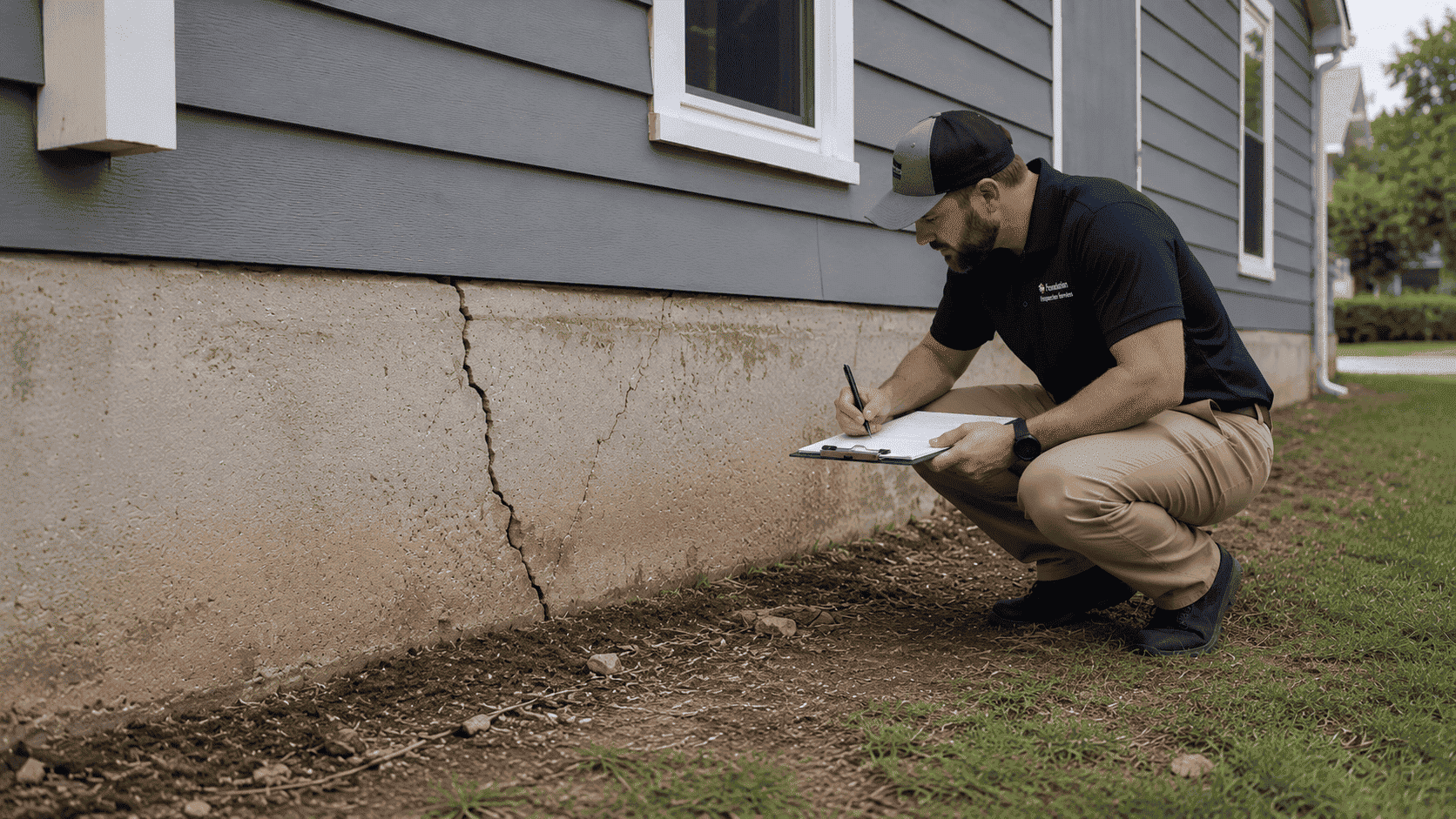
A qualified structural engineer can help you make this call objectively. An inspection typically costs $150 to $1,000 and is worth every dollar on a large or complicated project.
Lifespan of Common Repairs
| Repair Type | Expected Lifespan |
| Wood shims | 5-15 years (varies with moisture control) |
| Steel or composite shims | 20-40+ years |
| Beam sistering (treated lumber) | 20-30 years |
| Full beam replacement (treated lumber) | 30-50 years |
| Steel pier underpinning | 50-75+ years (often lifetime) |
| Vapor barrier (12 mil) | 15-20 years |
| Crawl space encapsulation | 20-25 years |
A well-maintained pier and beam foundation can last 75 years or more. This is why moisture control isn't optional; it determines whether you're doing repairs every few years or every few decades.
What is Better: DIY or Hiring a Professional?
In most cases, hiring a professional is your best option. Structural foundation repairs require permits, professional-grade equipment (hydraulic jacks, laser levels, excavation tools), and an understanding of load distribution. Mistakes can affect the structural integrity of the entire home. Plus, in most municipalities, building codes prohibit unlicensed work on foundations.
What you can reasonably do yourself:
-
Installing a basic 6-mil vapor barrier in an accessible crawl space
-
Basic crawl space inspections and monitoring for early warning signs
-
Improving surface drainage around the home's perimeter
-
Minor caulking or sealing of foundation vents
When a licensed professional is an absolute must:
-
Any structural leveling or shimming
-
Pier reinforcement, replacement, or installation
-
Beam or joist replacement
-
Crawl space encapsulation with sealed vents and dehumidification
-
Any work involving plumbing or electrical in the crawl space
HomeBuddy connects homeowners with pre-screened, licensed foundation contractors in their area — so you don't risk hiring the wrong contractor.
Can You Save Money on Pier and Beam Repairs?
You can save money on pier and beam repairs without compromising on quality. Here is how:
-

Catch problems before they compound. A $500 inspection that catches a moisture issue early prevents a $12,000 beam replacement two years later. Schedule an inspection every 3–5 years, or immediately if you notice any of the warning signs.
-
Get at least three quotes. Foundation repair pricing varies by 30–50% between contractors. Getting three written estimates gives you both a market rate and leverage.
-
Bundle related repairs. Many contractors will discount the labor if you combine services — for example, pairing reshimming with vapor barrier installation. Since labor is 75–85% of the total cost, avoiding a second crew visit saves a lot.
-
Negotiate a payment plan. Most reputable companies offer financing or staged payment schedules. Never pay the full amount upfront; structure payments so the final payment is due on job completion.
-
Ask about warranties. A contractor offering a 5–10 year warranty on structural work is signaling confidence in the repair. It also protects you from paying twice if something goes wrong.
-
Control moisture year-round. Maintaining gutters, grading soil away from the foundation, and managing crawl space humidity prevent the conditions that cause the most expensive repairs.
If you're ready to get started, HomeBuddy can connect you with licensed, pre-screened foundation repair contractors in your area — so you can get accurate quotes without the guesswork.
Frequently Asked Questions
How often do pier and beam foundations need maintenance?
A pier and beam foundation in good condition should be inspected every three to five years. If your home sits on expansive clay soil, or if you've had moisture issues in the past, inspect it annually. Beyond professional inspections, homeowners should clear gutters seasonally, check crawl space ventilation, and watch for early warning signs (sticky doors, bouncy floors, visible cracks) year-round.
Can you live in the house during repairs?
In most cases, yes. Reshimming, pier reinforcement, and even beam replacement typically don't require you to vacate. However, some larger projects — particularly full structural lifts or extensive crawl space work — may require you to be out of the home for one to three days.
What causes the highest repair costs?
The three biggest causes are termite or pest damage, water intrusion, and poor original construction. All three cause damage silently over time, which is why early detection matters so much.
Is foundation repair worth it long-term?
Almost always, yes. Every month of delay makes the damage worse. Moreover, it affects your home's resale value, mortgage eligibility, and insurability. Buyers and lenders take foundation problems seriously. A properly repaired foundation protects both your equity and your ability to sell on your own terms.
Do insurance policies cover foundation repairs?
Standard homeowners’ insurance covers foundation damage only when caused by a specific event — fire, windstorm, falling objects, vandalism, or a burst pipe. It does not cover settling, soil expansion, normal wear and tear, or gradual water seepage. Flood and earthquake damage require separate policies.
Conclusion
Repairing your pier and beam foundation is an investment in the safety, structure, and long-term value of your home. By understanding the factors that affect the costs, you can plan your budget effectively and avoid serious expenses. Remember that regular moisture control and timely minor repairs are the best ways to keep your costs low over time.
HomeBuddy connects homeowners with pre-screened local contractors who can assess your foundation honestly and give you a clear picture of what the work involves.


)