Key Points
- Average foundation repair cost in San Antonio: $3,500–$12,000 (minor cracks from $500, major structural work up to $30,000+)
- Root cause #1 — the region's clay and caliche soil, which shrinks in drought and swells with moisture
- Most common method — pressed piers ($300–$600 each); steel piers needed for deeper settlement
- A typical job uses 8–12 piers — which is why pricing can vary 5x depending on pier type
- Homeowners insurance usually doesn't cover soil-movement damage — only sudden events like a burst pipe
Average Foundation Repair Cost in San Antonio
That range covers a typical moderate repair, with jobs in the $6,000–$7,000 area being common for settlement needing several piers. Minor cosmetic crack repair sits at the low end, usually $500–$1,500. Extensive structural work — deep piering across multiple sides of the house, or full-perimeter stabilization — can climb to $10,000–$30,000 or more.
The spread comes down to three things: which repair method the soil requires, how much of the foundation is affected, and how deep the piers need to go before hitting stable ground — all covered below.
Why San Antonio Homes Are Prone to Foundation Problems
San Antonio sits on a mix of expansive clay and caliche soil, and that combination is the single biggest reason foundation repair is such a routine expense here. Clay shrinks as it dries out and swells once it absorbs moisture, while caliche — the hard, calcium-rich layer common across the area — adds its own unpredictability to how the ground shifts under a slab.
That movement shows up as settlement (part of the house sinking as soil shrinks and pulls away), heave (soil swelling and pushing a section upward), or lateral movement (bowing or leaning foundation walls where pressure builds unevenly against one side).
None of this is a one-time event. San Antonio's drought-to-rain cycle keeps the soil almost constantly drying out or rehydrating, so a house can develop new movement years after an earlier repair — especially if drainage around the foundation hasn't changed.
Signs You Need Foundation Repair
Foundation problems usually announce themselves gradually. Watch for:
-

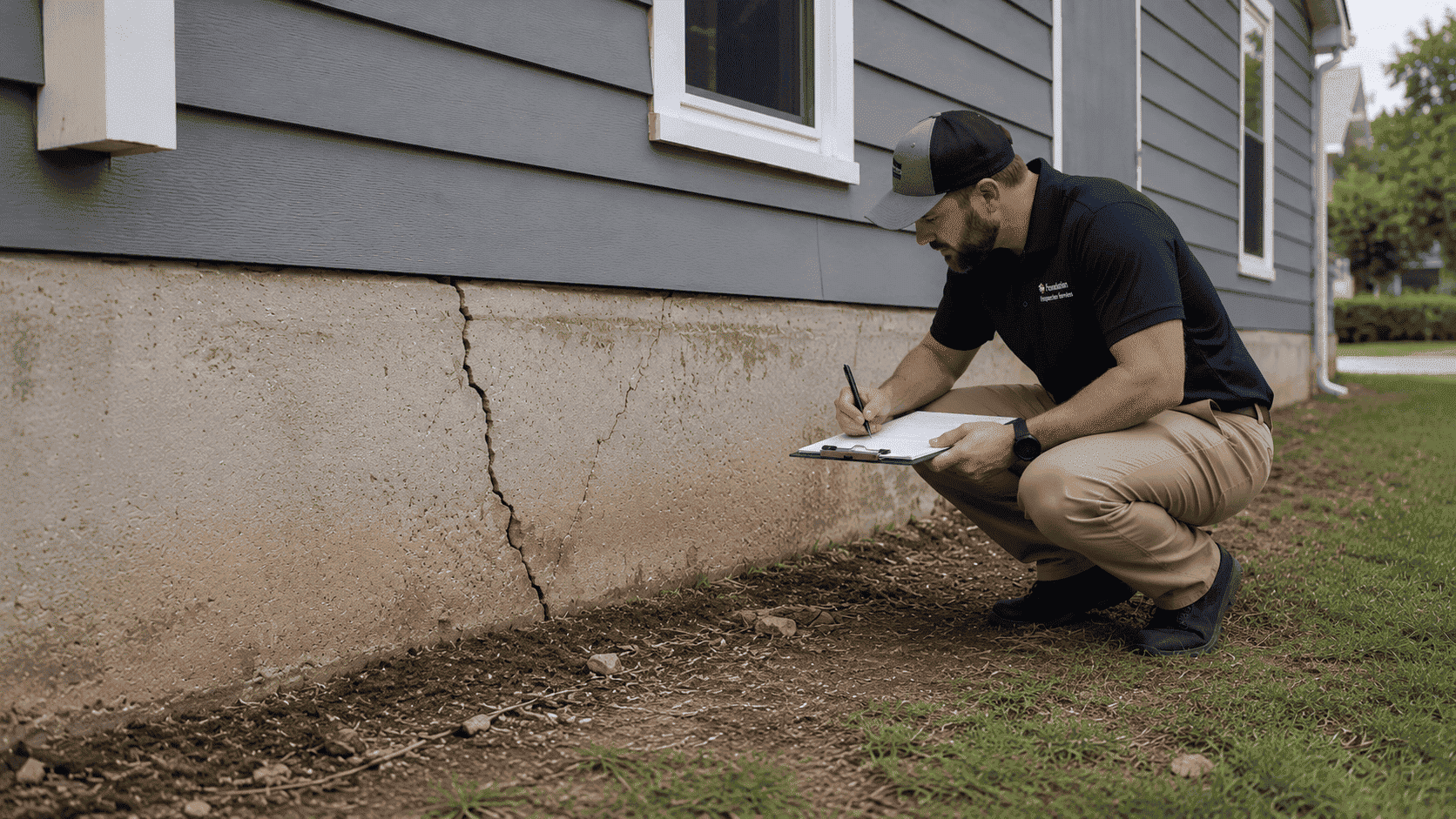
Cracks in interior walls or exterior brick — especially ones that widen over time or run diagonally from window and door corners
-
Doors and windows that stick or won't latch properly, pointing to the frame around them shifting out of square
-
Sloping or uneven floors, a more advanced sign of settlement
-
Gaps opening between walls and ceilings, or where trim meets the wall
Any one sign alone isn't necessarily urgent, but several showing up together is worth having looked at.
What Affects the Cost of Foundation Repair
-

Foundation Type
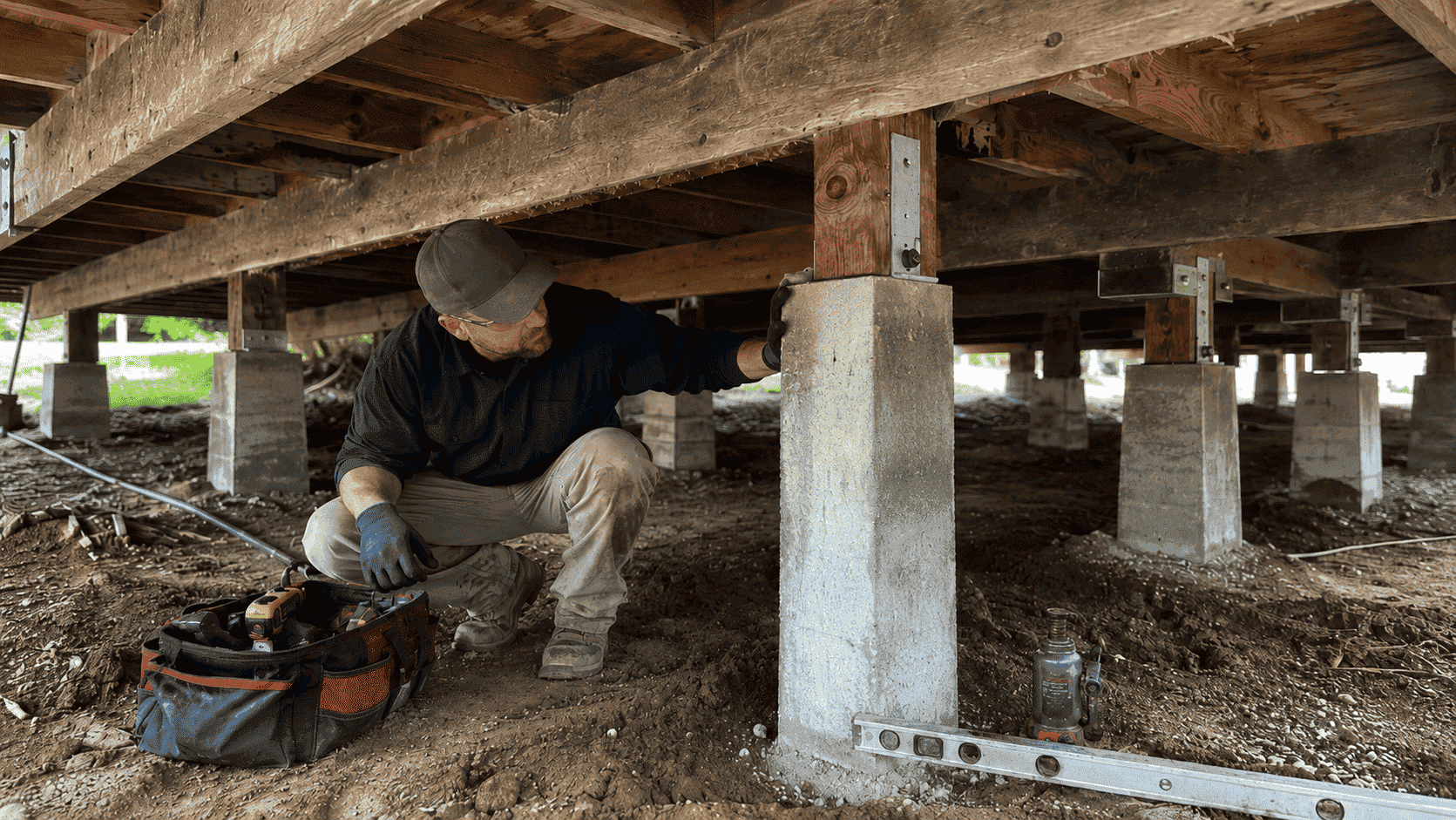
Slab-on-grade, the most common type in the San Antonio area, generally needs pier-based lifting when it settles. Pier-and-beam foundations, more common in older homes, often allow repairs from underneath the crawl space rather than exterior excavation.
-
Extent of Damage
A hairline cosmetic crack costs a fraction of what a sinking section of slab does, since labor and pier count scale with how much of the foundation has actually moved.
-
Repair Method
The biggest single driver, dictated by the soil itself rather than homeowner preference — covered in detail in the next section.
-
Size of the Affected Area
A corner needing 2–3 piers costs far less than a full side needing 8 or more.
Foundation Repair Methods and Their Cost
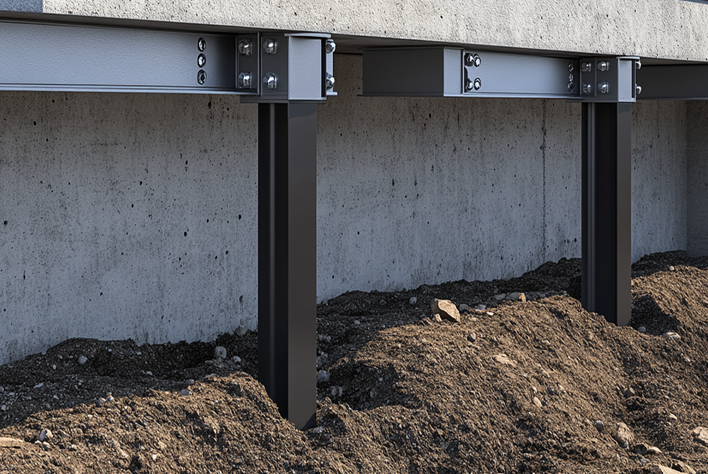
Concrete (pressed) piers are the most common method in San Antonio and the most affordable, at $300–$600 per pier, working well for moderate settlement where stable soil sits at a manageable depth. Steel piers cost more — $1,000–$1,500 per pier — but drive deeper to reach load-bearing soil below the dry, shifting clay layer, often the right call when pressed piers alone wouldn't reach stable ground. Helical piers, at $1,500–$2,500 per pier, screw into the soil rather than being driven, and are typically used for lighter loads rather than full house foundations.
Slabjacking (mudjacking) lifts a sunken slab by pumping material underneath it, running $500–$1,300 or roughly $3–$8 per square foot — a different approach for slab foundations rather than perimeter settlement. Crack injection and sealing, $250–$800 per crack, addresses water intrusion or cosmetic cracking rather than structural movement. Drainage correction, $1,500–$8,000+, is preventive, aimed at keeping soil moisture more consistent so the clay swells and shrinks less dramatically going forward.
| Method | Typical Use Case | Average Cost Range |
| Concrete/pressed piers | Most common, moderate settlement | $300–$600 per pier |
| Steel piers | Deeper support, reaches stable soil past dry clay | $1,000–$1,500 per pier |
| Helical piers | Screw-in piers for lighter loads | $1,500–$2,500 per pier |
| Slabjacking/mudjacking | Lifting a slab foundation back into position | $500–$1,300 (or $3–$8 per sq ft) |
| Crack injection & sealing | Water intrusion or minor cracks | $250–$800 per crack |
| Drainage correction | Preventive measure to reduce future soil movement | $1,500–$8,000+ |
Most slab jobs use somewhere between 8 and 12 piers, which is why two houses with similar-looking damage can end up with very different quotes: one needing pressed concrete piers might land around $3,000, while another requiring steel piers for the same points could run $15,000 or more. (Our Texas foundation repair cost guide covers the general pricing mechanics behind pier-based repairs — this section focuses on what plays out specifically in San Antonio's soil.)
Cost Breakdown: What You're Paying For
Materials and supplies are usually the smallest line item — often just a few hundred dollars for a smaller job, since piers and hardware aren't the main expense.
Labor is typically the largest single cost, commonly $1,500–$2,500 for a standard repair. It covers the crew time to excavate access points, install piers, and lift and stabilize the affected section — work that takes longer and costs more as pier count or damage extent increases. Equipment adds a smaller amount on top, typically $50–$150, for the hydraulic jacks and lifting tools used on the job.
If quotes from different contractors vary widely, or the damage looks serious, an independent structural engineer's inspection is worth the $300–$800 it usually costs — an unbiased read on what's happening structurally, separate from whoever's trying to sell you the repair.
Is It Worth Fixing Now vs. Waiting?
A small cosmetic crack that isn't growing, isn't paired with sticking doors, and isn't near a load-bearing wall is usually fine to monitor rather than repair immediately — take photos periodically and watch for change.
Waiting on anything structural is a different story. Cracks that widen, floors that keep sloping, or new gaps between walls and ceilings tend to get more expensive to fix the longer they're left, since more of the foundation shifts and more piers end up being needed. Delayed issues also complicate selling a home — buyers' inspectors flag foundation movement quickly, and unresolved problems can stall a sale or force a price cut. If several signs show up together, especially ones that have worsened over a few months, it's usually cheaper long-term to address it now.
Hiring a Foundation Repair Contractor in San Antonio
Confirm the contractor holds proper licensing, and ask directly about warranty length — foundation repair warranties often run considerably longer than warranties on typical home repairs.
Be cautious about choosing based on the lowest bid alone. A noticeably cheaper quote can mean lighter-gauge piers, fewer piers than the job needs, or a shorter warranty than competitors offer. Get more than one quote, and ask each contractor why they're recommending a specific pier type for your soil.
Frequently Asked Questions
How much does it cost to repair a small foundation crack versus a full foundation lift?
A minor cosmetic crack typically costs $500–$1,500. A full foundation lift using piers runs $3,500–$12,000 for a moderate job, and can reach $10,000–$30,000+ for extensive structural work.
Can foundation repairs be done without damaging my yard or floors?
Most repairs are done from the exterior and don't significantly disrupt landscaping or floors. Severe cases sometimes need interior support work or tunneling, which adds to the cost.
Do I need a structural engineer before getting foundation repairs?
A structural engineer isn't necessary for every job, but it's worth the $300–$800 cost when quotes vary widely or the damage looks extensive, since it gives you an unbiased assessment before you commit to a repair method.
Does homeowners insurance cover foundation repair?
Homeowners insurance typically doesn't cover foundation repair caused by soil movement or gradual settling, since standard policies tend to cover this kind of damage only when it stems from a sudden, accidental event like a burst pipe.
Most San Antonio foundation repairs land between $3,500 and $12,000, and the biggest factor behind that price is almost always the region's clay and caliche soil rather than anything unique about the house itself. If you're seeing cracks, sticking doors, or sloping floors, it's worth getting a local San Antonio contractor out for a firsthand look and a quote specific to your soil conditions.


)