Key Points
- Most Austin foundation repair projects fall around $3,500–$12,000, depending on damage severity, repair method, pier count, and foundation type.
- Minor crack repairs may cost $500–$1,500, while major structural repairs can reach $10,000–$40,000+.
- Austin’s clay-heavy soils, wet/dry cycles, drought shrinkage, and heavy rain can all contribute to foundation movement.
- Pier count and repair method are major price drivers because each added support increases labor, material, excavation, and stabilization work.
- Compare quotes carefully for add-ons such as engineering reports, plumbing tests, drainage correction, permit confirmation, cleanup, and warranty terms.
Austin Foundation Repair Cost Overview
A practical planning range for foundation repair cost in Austin is $3,500 to $12,000. This range covers many moderate repairs where the home needs stabilization, limited pier work, slab correction, or repair around a specific affected area.
Many typical Austin projects land around $6,800 to $7,500 as a practical market midpoint based on pricing consensus and common local cost patterns.
Smaller repairs can cost less. Minor crack repairs may start around $500 to $1,500 when the issue is limited and not tied to larger structural movement. On the other end, major structural repairs can reach $10,000 to $40,000+ when the project involves many piers, broad settlement, structural correction, drainage work, or plumbing-related repairs.
Your final price depends on the inspection. The most important variables are damage severity, foundation type, repair method, number of piers or supports, soil movement, drainage, plumbing issues, and access around the home.
For broader baseline pricing, see HomeBuddy’s foundation repair cost guide. This Austin article focuses on local cost drivers such as Central Texas soils, drought cycles, slab movement, pier count, older homes, and quote comparison.
Foundation Repair Cost by Repair Type in Austin
| Repair type | Typical cost range | What affects the price |
| Minor crack repair | $500–$1,500 | Crack size, location, cause, and whether the crack is cosmetic or structural. |
| Slab jacking / mudjacking | $1,000–$3,000 | Size of the affected slab area, void depth, access, and whether the issue is localized. |
| Pier installation | $1,000–$2,500 per pier | Pier type, depth, soil conditions, excavation, and how many supports the home needs. |
| Moderate foundation repair | $3,500–$12,000 | Common range for stabilization, limited pier work, slab movement, or localized structural repair. |
| Major structural repair | $10,000–$40,000+ | Many piers, full perimeter stabilization, severe movement, framing work, drainage correction, or plumbing-related repairs. |
Pier count often matters more than square footage. A large home with one settled corner may need fewer supports than a smaller home with movement along a long wall or multiple sides. That is why a good estimate should explain where the movement is, how many piers are included, and whether the contractor is stabilizing the home or trying to lift it.
A repair can move past $12,000 and into $20,000+ territory when it requires many piers, full-perimeter stabilization, major lift work, structural correction, drainage improvements, or plumbing-related repair.
Cost by Foundation Type in Austin
-

Concrete slab foundations
Slab foundations are common across Austin and many newer Texas homes. In Austin, slab repair costs usually depend on how far the slab has moved, how many piers are needed, whether the work is along the perimeter or interior, and whether plumbing testing is needed.
Slab repairs often become more expensive when movement is widespread or when the contractor needs to cut, excavate, install piers, or correct drainage problems around the foundation.
-
Pier-and-beam homes
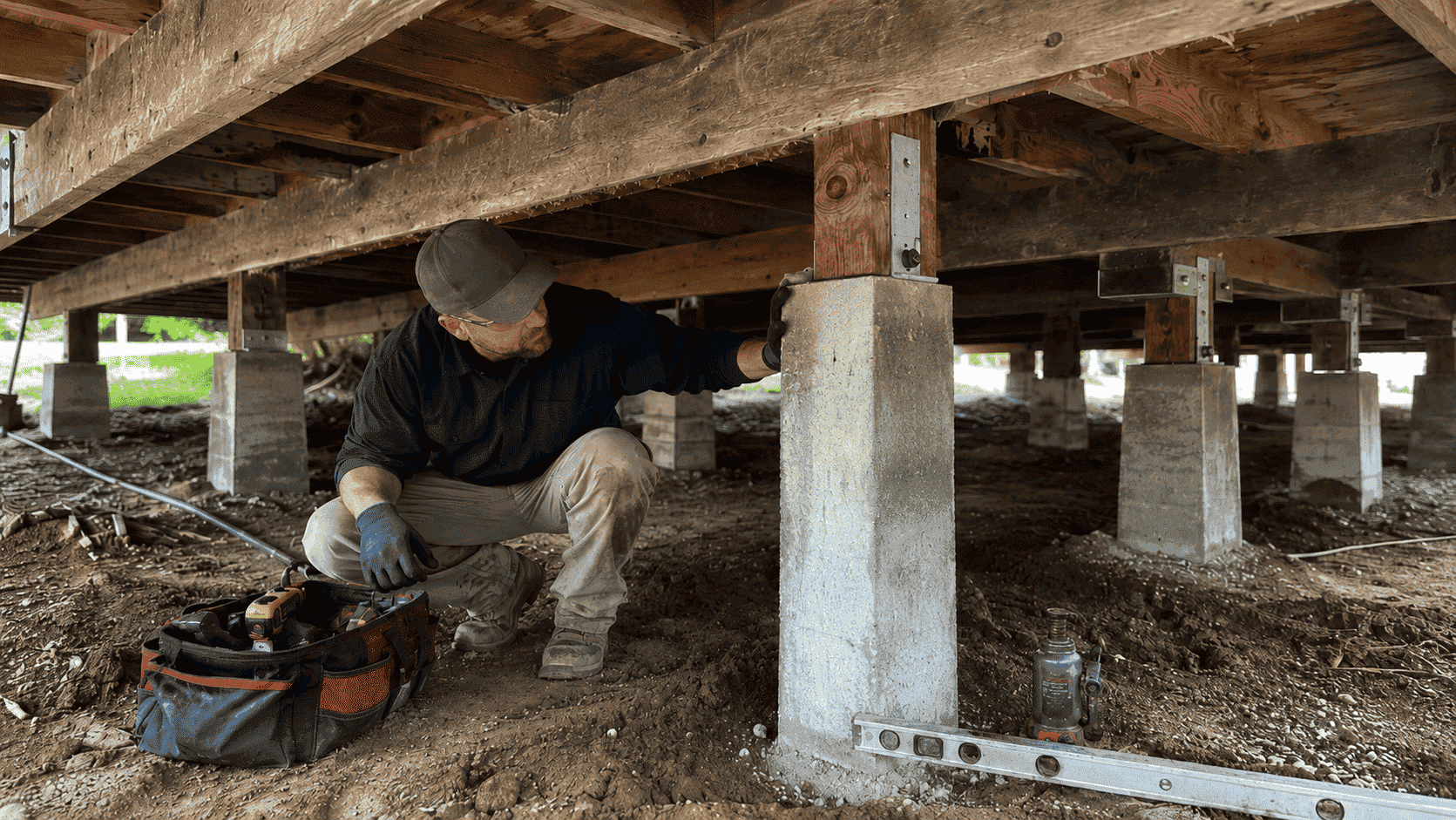
Pier-and-beam homes are more common in older Central Austin neighborhoods than in newer slab-heavy subdivisions. Costs can rise when the repair involves shimming, damaged beams or joists, crawl space moisture, or limited access.
This article keeps pier-and-beam coverage brief because HomeBuddy has a separate guide to pier-and-beam foundation repair costs.
-
Older or mixed foundation systems
Older Austin homes may have additions, prior repairs, brick or block elements, crawl space sections, or mixed foundation conditions. These projects can be harder to estimate until a contractor inspects how the original structure and additions are moving together.
Local Factors That Affect Foundation Repair Costs in Austin
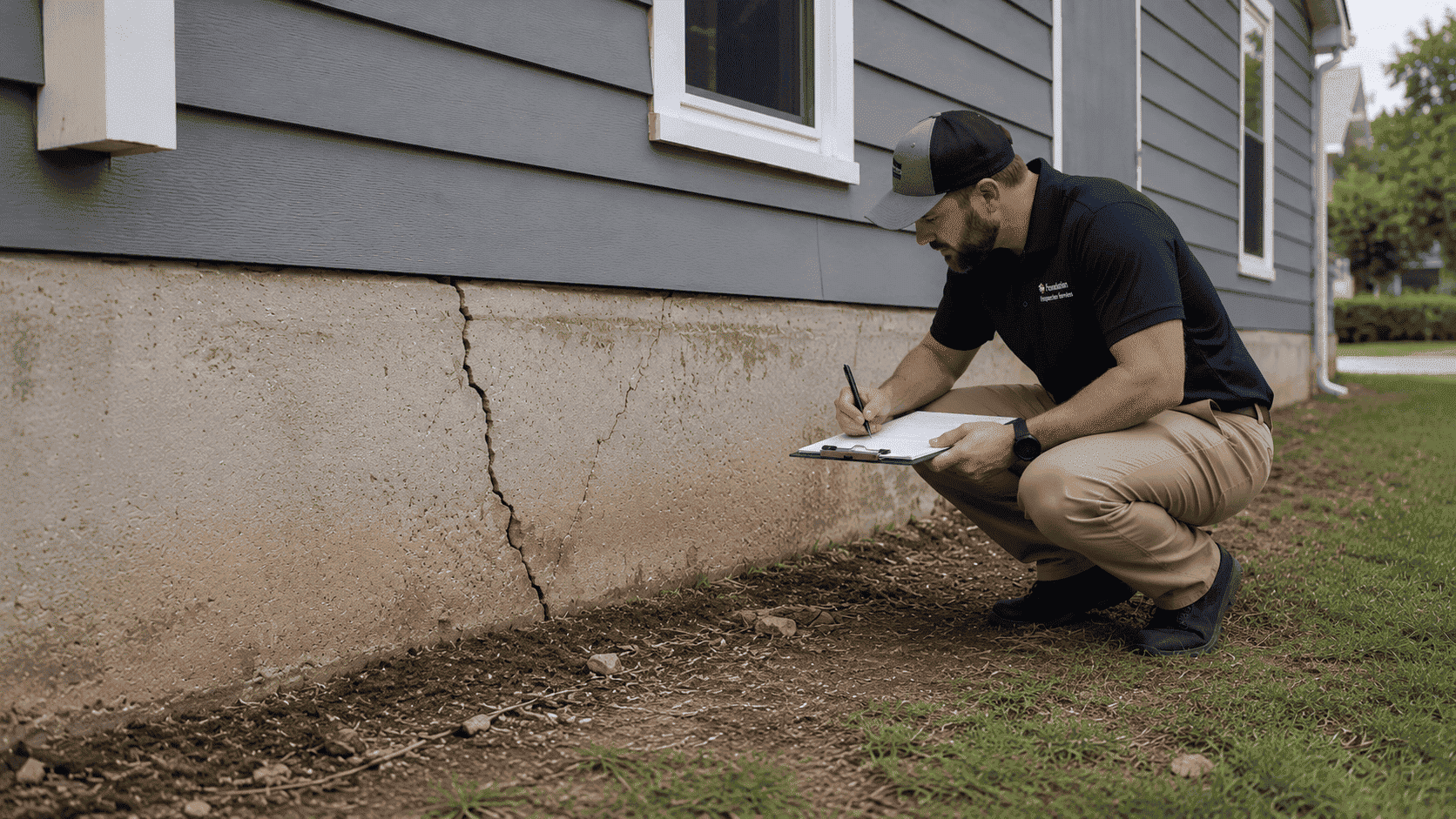
Not every Austin repair is expensive, but local soil and site conditions can raise the scope when the problem goes beyond a small crack. A simple crack repair is very different from a project that requires multiple piers, slab stabilization, drainage correction, or plumbing-related work.
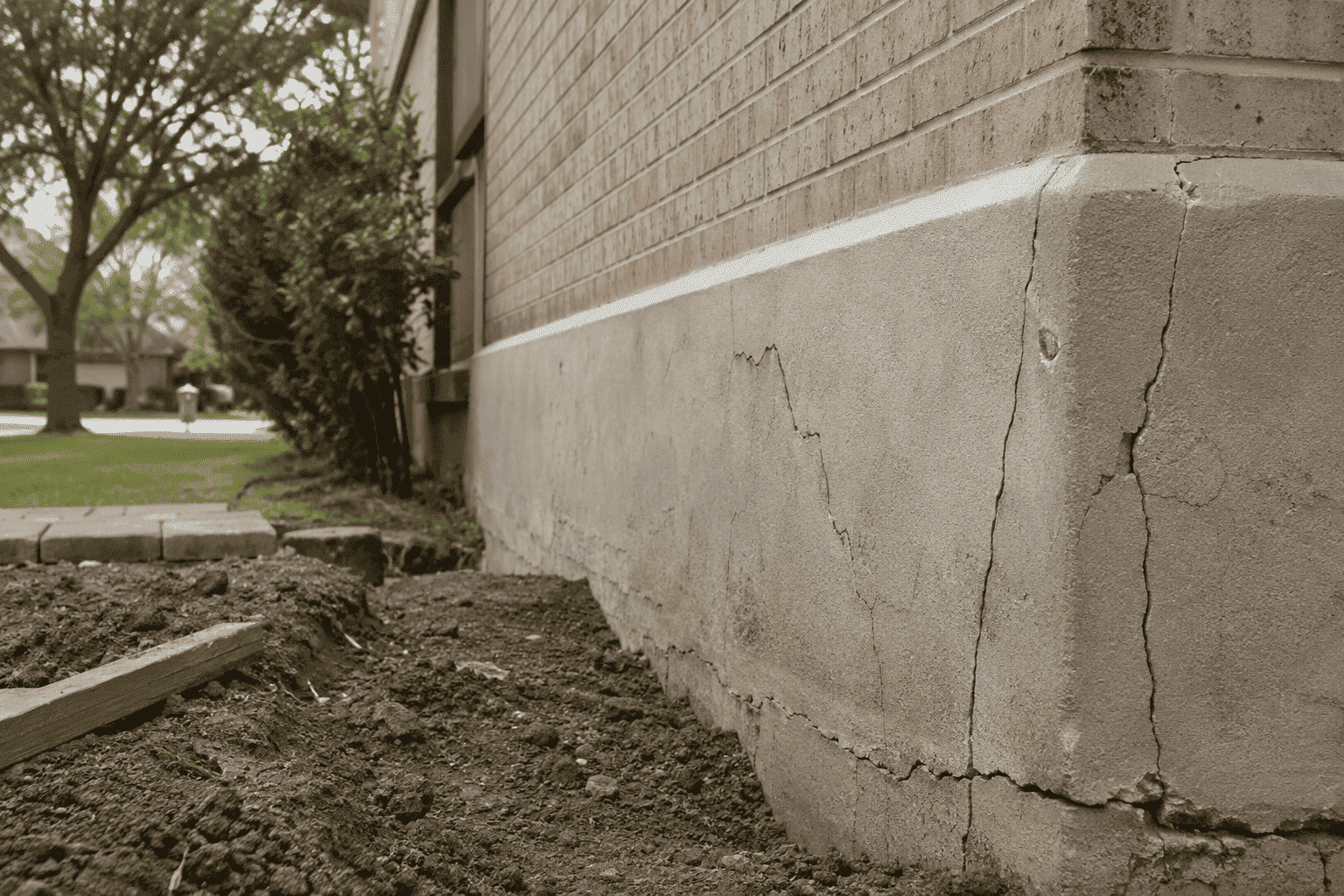
Texas A&M AgriLife’s Travis County Extension explains that the Austin area includes the Edwards Plateau, Blackland Prairies, Post Oak Savannah, and floodplain areas, with challenging clay issues across the region. Clay-heavy soils expand and shrink as moisture changes, which helps explain slab movement, cracks, sticking doors, and uneven floors.
Dry periods can shrink soil away from the foundation. Heavy rain can make soil swell and create uneven pressure around slabs, piers, and grade beams. NRCS guidance also notes that drainage, downspouts, tree roots, and moisture changes can affect foundation performance.
Site conditions matter too. Sloped lots, poor grading, short downspouts, standing water, older Central Austin homes, prior additions, pier-and-beam systems, and slab plumbing leaks can make a repair harder to diagnose and price.
That is why two Austin homes with similar square footage can receive very different quotes. The final cost depends more on repair method, affected perimeter, pier count, drainage, plumbing issues, access, and foundation type than on home size alone. The USDA Natural Resources Conservation Service’s Web Soil Survey can help review soil information for a specific property area, but it does not replace an on-site foundation inspection.
What Drives Your Austin Foundation Repair Quote?
-

Number of piers or supports
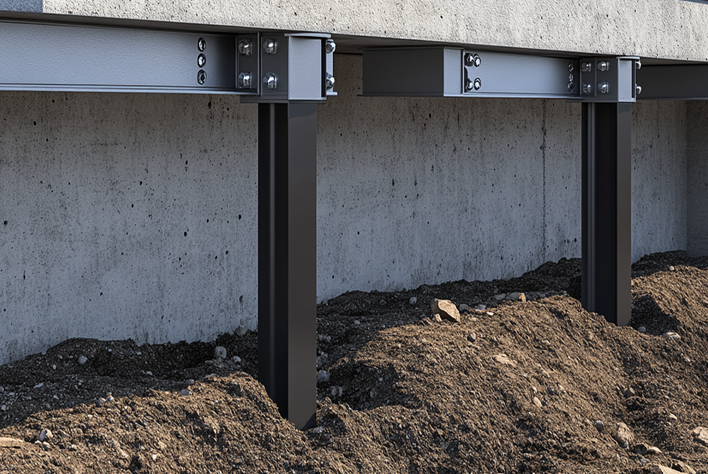
Pier count is one of the clearest cost drivers. If each pier costs $1,000 to $2,500, adding several more supports can change the project total quickly. A quote should show how many piers are included, where they will be installed, and whether the price changes if the crew needs additional depth or support.
-
Repair method
A crack repair, mudjacking job, concrete pier installation, steel pier system, crawl space repair, and full structural stabilization are not the same scope. Ask the contractor why the proposed method fits your home and whether the goal is stabilization, lifting, or both.
-
Foundation type
Slab homes, pier-and-beam homes, crawl spaces, and older brick or block systems require different labor and materials. Slab work may involve cutting, excavation, piering, and plumbing checks. Pier-and-beam work may involve shimming, beams, joists, crawl space moisture, or wood damage.
-
Damage severity and affected perimeter
The size of the affected area often matters more than the size of the home. A few cracks in one area can be a smaller repair. Movement along multiple walls, a long perimeter, or several corners can require a larger stabilization plan.
-
Drainage or plumbing problems
Foundation movement is often connected to moisture. A quote should explain whether drainage correction, grading, gutters, downspout extensions, root barriers, or plumbing tests are included or recommended separately.
-
Engineering reports, permits, and access
Some repairs may need engineering review, permit confirmation, or city review. Access can also raise costs if crews must hand-dig near tight property lines, decks, patios, landscaping, driveways, or additions.
City of Austin Development Services lists some work that may be exempt from building permits, including foundation repair that does not exceed 128 square feet. However, larger structural repairs, pier installation, slab cutting, or major repair work should still be confirmed with Austin Development Services or your contractor before work begins.
Austin Quote Add-Ons to Check Before You Sign
A low foundation repair quote may not include everything you need. Before signing, ask whether these items are included, optional, or priced separately:
-

Engineering documentation: useful for structural records, resale, and scope confirmation.
-
Plumbing or hydrostatic testing: relevant when a slab leak or sewer line issue may be contributing to movement.
-
Drainage correction: grading, gutters, downspout extensions, French drains, or surface drainage work.
-
Excavation or hand digging: important on tight Central Austin lots, sloped properties, or areas with limited equipment access.
-
Permit confirmation or city review: not every repair requires a permit, but larger structural work, pier installation, slab cutting, or major repairs should be checked with Austin Development Services.
-
Post-repair restoration: landscaping, concrete flatwork, flooring, drywall, trim, or paint repair may not be included.
-
Warranty terms: check what is covered, what is excluded, whether maintenance is required, and whether the warranty transfers to a buyer.
These items matter in Austin because slab movement, tight lots, older homes, drainage problems, and under-slab plumbing issues can change the scope after the first inspection. The goal is not to choose the longest quote. The goal is to compare complete scopes.
How to Compare Austin Foundation Repair Quotes Without Overpaying
When you compare local foundation repair companies, do not look only at the total price. Compare the repair plan and the assumptions behind it.
Ask each contractor to show the elevation readings, affected perimeter, proposed pier locations, pier type, and whether the scope includes drainage or plumbing-related work. If one Austin quote is much higher than another, the difference should be traceable to pier count, pier type, access, interior work, drainage correction, engineering documentation, or warranty terms.
Use this checklist:
-

How many piers or supports are included?
-
What type of pier or repair method is being used?
-
Is the goal stabilization, lifting, or both?
-
Does the quote include excavation, backfill, cleanup, and site restoration?
-
Are plumbing tests, engineering reports, permits, and drainage corrections included?
-
What happens if the crew finds deeper soil issues or needs more piers?
-
Are interior repairs, landscaping, concrete, or flooring excluded?
-
What warranty is included, and is it transferable?
A strong written quote should explain what is wrong, how the contractor measured the movement, what repair method is proposed, and what is excluded. If two quotes have very different prices, the scope is usually different too.
For state-level pricing context, see HomeBuddy’s guide to foundation repair costs in Texas.
Is Foundation Repair Worth It in Austin?
Foundation repair is usually about protecting structural stability, resale value, and the condition of the rest of the home. It is not something to evaluate only by direct return on investment.
A repaired and documented foundation may reassure future buyers, especially if the work includes an engineering report and a transferable warranty. It can also make inspections and negotiations easier than leaving visible cracks, sloping floors, or sticking doors unexplained.
Delaying foundation repair can make related problems worse. Movement can stress drywall, flooring, brick, trim, doors, windows, and plumbing. Drainage-related movement can also continue if water is not managed around the home.
If symptoms are minor and stable, you may not need a major repair immediately. But if cracks are widening, doors are sticking more, floors are changing, or gaps are appearing after drought or heavy rain, it is worth getting an inspection before the repair scope grows.
Frequently Asked Questions
How much does foundation repair cost in Austin?
Foundation repair in Austin often costs $3,500 to $12,000 for many moderate projects. Minor crack repairs may cost $500 to $1,500, while major structural repairs can reach $10,000 to $40,000+.
Why is foundation repair expensive in Austin?
Austin foundation repair can become expensive when the project involves significant soil movement, many piers, slab movement, poor drainage, plumbing leaks, sloped lots, older construction, or structural correction.
How much does it cost to install foundation piers in Austin?
Foundation piers are usually priced by type. Pressed concrete piers may cost much less, while steel or helical piers often run about $1,000 to $2,500 per pier. In Austin, deeper installation, difficult access, or challenging soil conditions can push some pier-based quotes higher.
Do I need a permit for foundation repair in Austin?
A permit for foundation repair in Austin may be required when the work goes beyond a small exempt repair, affects structural elements, involves larger repair areas, or requires more invasive work such as pier installation or slab cutting. City of Austin guidance lists foundation repair that does not exceed 128 square feet among work that may be exempt from building permits, but larger or structural repairs should be confirmed with Austin Development Services or your contractor before work begins.
Is slab foundation repair or pier-and-beam repair more expensive?
Pier-and-beam foundation repair is often more expensive as a baseline category because it can involve crawl space access, beams, joists, shimming, moisture damage, or wood rot. However, slab foundation repair can cost more when the project requires multiple piers, major slab stabilization, difficult access, or plumbing-related work. The final price depends more on repair scope, pier count, access, moisture damage, and structural movement than on foundation type alone.


)