













Pella Windows Cost
Pella offers a wide range of windows, from affordable vinyl options to high-end wood and fiberglass models. The total cost depends on the window style, material, glass options, and how complicated the installation is.


)
HomeBuddy estimates window replacement costs using real project pricing from completed residential window projects, matched against the scope and details submitted in each project request. Estimates account for the number and size of windows, frame and glass options, window style, installation method, accessibility, and any structural work required. Public pricing references are reviewed to confirm that published ranges reflect current product and installation costs.
Data used: HomeBuddy project cost data, completed project costs, and residential project request details
Project scope: individual window replacements, multiple-window projects, full-home replacements, and standard or specialty window installations
Main cost factors: window quantity, style, dimensions and weight, frame material, glass configuration, retrofit or full-frame installation, floor level, site access, structural work, and local labor costs
Location signals: ZIP, city, and state-level pricing patterns where available
Public references: used to confirm product and installation cost ranges and keep estimates aligned with current market conditions
A replacement window is a new window designed to replace an old one in an existing frame. Unlike new construction windows, installed during a home build or major remodel, replacement windows are specifically made to fit into the current window. This makes installation quicker and often more affordable since there’s no need to remove exterior materials like siding or trim.
)
But don’t be fooled into thinking that these windows are a simple swap. They can significantly upgrade your home’s look and performance. Many replacement windows are designed with energy efficiency in mind, featuring double or even triple panes that can help keep your home warmer in the winter and cooler in the summer. Some also come with low-emissivity (Low-E) glass, which can block harmful UV rays while still letting natural light in.
Curious about the benefits? Beyond improving your home’s energy efficiency, replacement windows can boost your property’s curb appeal and increase its resale value. Plus, newer models often require far less maintenance than older ones. Vinyl windows, for example, don’t need to be repainted or resealed regularly. And if you’re tired of struggling to open those old, stuck windows, you’ll love the smooth operation of a modern window.
Considering how much time we spend in our homes, upgrading to replacement windows can make a noticeable difference in your everyday comfort. Ever noticed drafts near your windows or a rise in your energy bill during extreme weather? That’s where replacement windows can really shine. They’ll help regulate the temperature inside your home, giving you a cozier, more comfortable space while also helping you save on energy costs.
But why choose replacement windows over a full replacement? The main advantage is simplicity. They can often be installed without disturbing the surrounding trim or siding, making for a quicker, less disruptive, and often more cost-effective upgrade.
Windows aren’t meant to last forever. Like any part of your home, they age and show signs of wear and tear. But how do you know when to get rid of your old windows and invest in new ones? Knowing the signs that your windows are past their prime is key to deciding when a replacement is necessary.
)
)
)
)
)
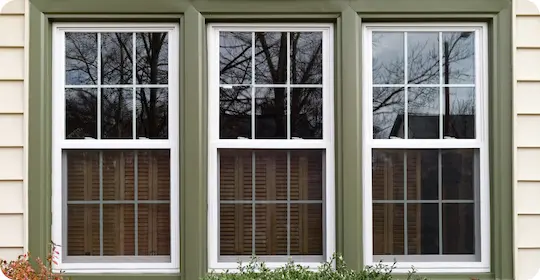
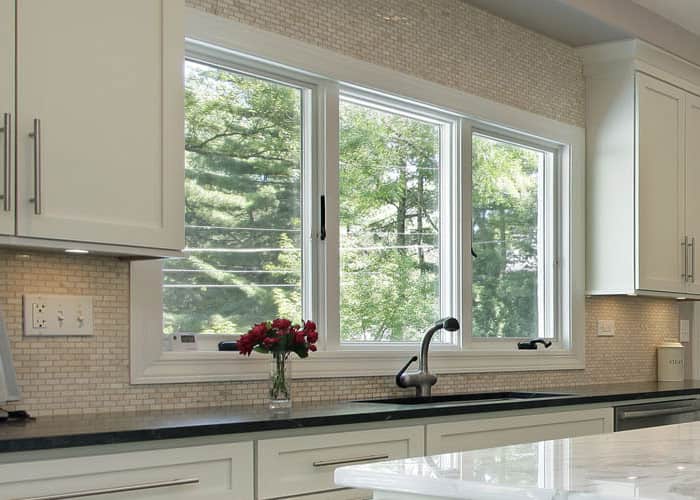
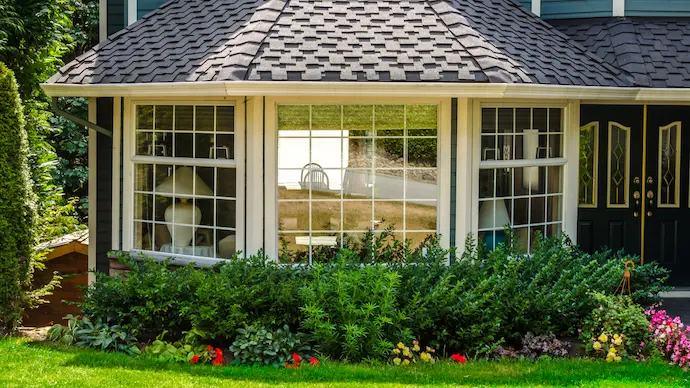
The type of window you choose has one of the most significant effects on the cost. Standard double-hung or casement windows tend to be the most affordable, while bay or bow windows are more expensive due to their size and complexity.
| Window Type | Description | Price Range (per window) |
|---|---|---|
| Single-Hung | One fixed upper sash and a movable lower sash. Typically, more affordable and simpler in design. | $300 – $600 |
| Double-Hung | Both upper and lower sashes are movable, allowing for better airflow and easy cleaning. | $400 – $850 |
| Casement | Hinged on one side, these windows open outward like a door. Great for ventilation and energy efficiency. | $400 – $1,000 |
| Awning | They open outward from the bottom and are hinged at the top. Ideal for ventilation in rainy climates. | $350 – $900 |
| Slider | Slide horizontally along a track. Perfect for wide window openings and easy operation. | $300 – $1,000 |
| Picture | Fixed, large windows that do not open. Often used to frame views and let in plenty of natural light. | $400 – $1,200 |
| Bay | Composed of three windows that extend outward from the wall, creating a small interior shelf or nook. | $1,200 – $3,500 |
| Bow | Similar to bay windows but with four or more windows, forming a gentle curve. | $1,500 – $4,000 |
| Garden | A mini bay window that extends outward, is often used in kitchens for plants or décor. | $1,000 – $3,000 |
| Hopper | Hinged at the bottom and open inward. Often used in basements for ventilation. | $200 – $700 |
| Arched | Fixed or operable, these windows have a rounded top and are usually more decorative. | $400 – $1,500 |
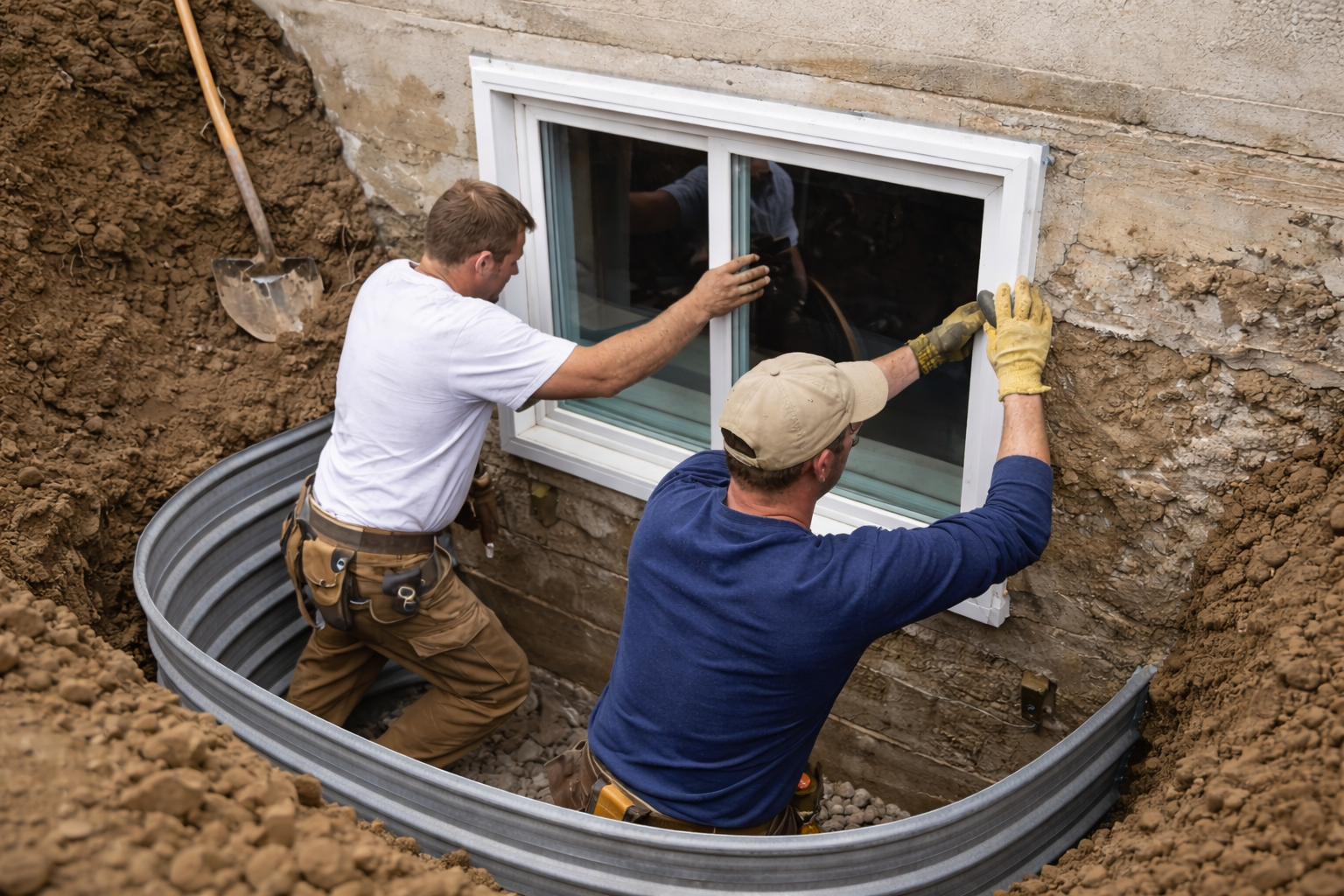
| Egress | Larger windows are designed for emergency exits, typically installed in basements or bedrooms. | $600 – $2,000 |
| Skylight | Installed on the roof, these windows let natural light into spaces without sidewalls. | $1,000 – $3,500 |
| Custom Windows | Specially designed to fit unique spaces or specifications, often more costly due to customization. | $1,000 – $5,000+ |
Bigger windows naturally cost more. A small bedroom window will be cheaper to replace than a large picture window or a sliding glass door.
| Window Size | Description | Price Range (per window) |
|---|---|---|
| Small (under 24x36 inches) | Typically used for bathrooms, small bedrooms, or basements. | $200 – $500 |
| Medium (36x48 inches) | Common size for standard bedrooms or living rooms. | $300 – $800 |
| Large (48x60 inches or larger) | Used in large living spaces, kitchens, or for picture and bay windows. | $800 – $2,500 |
| Custom Sizes | Custom-made windows designed to fit non-standard or irregular openings. | $1,000 – $5,000+ |
| Sliding Glass Doors (72x80 inches) | Typically used as patio doors, these large glass windows also function as doors. | $1,000 – $3,500 |
Energy-efficient glass is a popular choice because it helps reduce energy bills. However, opting for double or triple-pane glass, Low-E coatings, or gas-filled windows will increase the average price for window replacement.
| Glass Type | Description | Price Range (per window) |
|---|---|---|
| Single-Pane | Basic glass with one layer. Provides minimal insulation and the energy efficiency is not so good. | $100 – $300 |
| Double-Pane | Consists of two glass layers with an air or gas-filled space between them. Provides better insulation and energy efficiency. | $350 – $800 |
| Triple-Pane | Three layers of glass with gas-filled spaces between. Ideal for maximum energy efficiency and noise reduction. | $500 – $1,000 |
| Low-E (Low Emissivity) Coating | Special coating that reflects heat and UV rays, improving energy efficiency. Can be applied to any glass type. | Add $50 – $150 per window |
| Tempered Glass | Strengthened glass is designed to break into small, safe pieces. Commonly used for safety indoors and large windows. | $400 – $900 |
| Laminated Glass | A layer of plastic between glass panes to prevent shattering. Improves safety and noise reduction. | $450 – $1,200 |
| Gas-Filled (Argon or Krypton) | Gas-filled spaces between panes that improve thermal insulation, usually in double or triple-pane windows. | Add $50 – $200 per window |
| Tinted Glass | Darkened glass that reduces glare and heat, is often used in warmer climates. | $300 – $700 |
| Frosted or Obscured Glass | Textured or frosted glass that offers privacy while still letting light through. Common in bathrooms. | $250 – $750 |
| Decorative or Patterned Glass | Custom-designed glass with patterns, textures, or stained glass effects. Often used for aesthetics. | $500 – $2,000 |
| Impact-Resistant Glass | Reinforced glass is designed to withstand extreme weather conditions, such as hurricanes. | $800 – $2,500 |
Different materials come with varying price tags. Vinyl windows are often the most cost-effective option, while wood and fiberglass windows are typically more expensive due to their durability and aesthetic appeal.
| Frame Material | Description | Price Range (per window) |
|---|---|---|
| Vinyl | One of the most affordable options, vinyl frames are durable, low-maintenance, and provide good insulation. However, they may lack the premium look of other materials. | $250 – $750 |
| Wood | Classic and aesthetically appealing, wood frames offer excellent insulation. They require more maintenance (painting or sealing) to prevent rot or warping over time. | $800 – $2,000 |
| Aluminum | Lightweight, strong, and resistant to rust. However, aluminum frames conduct heat and cold, making them less energy-efficient without a thermal break. | $400 – $1,200 |
| Fiberglass | Strong, durable, and energy-efficient, fiberglass frames resist warping, swelling, and rotting. They often look similar to wood but require far less maintenance. | $600 – $1,500 |
| Composite | Made from a blend of wood fibers and synthetic materials, composite frames are strong, energy-efficient, and require little maintenance. They offer the look of wood without the high upkeep. | $800 – $1,800 |
| Clad Wood | Wood frames are covered with an exterior layer of vinyl or aluminum. This material offers the aesthetic of wood inside, with the durability and low-maintenance benefits of vinyl or aluminum on the outside. | $1,000 – $2,500 |
| Steel | Known for their strength and slim profile, steel frames offer a modern, industrial look. However, they are prone to rust and conduct temperature, making them less energy-efficient unless thermally broken. | $900 – $2,500 |
The brand you choose can greatly impact the window replacement cost, quality, and features. Different manufacturers offer various styles, materials, and performance levels. Here are some of the top replacement window brands:
Each brand offers unique features and typical costs to replace windows, so it’s essential to consider your priorities—whether it’s energy efficiency, style, or budget.
Where the window is located matters, too. Ground-floor installations are much easier (and cheaper) than those on upper floors. Difficult-to-reach areas, like over a stairwell or on a steep roof, require special equipment and more labor, driving up costs.
Not all installations are the same. If your current window frames are in good shape, you might only need a straightforward replacement. However, if there’s damage or custom fitting required, the labor cost increases.
Labor costs to remove and replace windows vary by region — local wage rates, housing stock age, and climate all play a role. If you live in an area with a higher cost of living or where skilled labor is in demand, expect to pay more for professional installation.
Window replacement prices vary significantly by location. Local labor rates, climate conditions, housing styles, and installation requirements can all affect the final project cost. Explore these local guides to see typical pricing and regional factors homeowners should consider.
Location | Average window replacement cost | Local factors affecting window costs |
|---|---|---|
$7,000 – $18,000 for a full-home project | Cold winters, humid summers, coastal exposure, and higher labor costs in areas near New York City can increase pricing. Vinyl remains a common choice for NJ homes. | |
$9,200 – $28,500 for a full-home project | Older housing stock, NYC labor rates, complex installations, and historic districts can increase costs. Energy-efficient glass is especially important due to seasonal temperature changes. | |
$2,600 – $8,800 for a full-home project | Cold winters, older homes, and higher labor costs around Boston affect pricing. Full-frame replacements are more common when older frames have moisture damage. | |
$6,000 – $15,000 for a typical whole-home project | High altitude, strong UV exposure, and large temperature swings make Low-E glass, fiberglass, and composite frames popular choices. | |
$3,300 – $9,600 for a full-home project | Heat, humidity, and storm exposure influence material choices. Composite and fiberglass frames are often considered for sun-exposed windows, while impact glass may be used in storm-prone areas. | |
$3,400 – $9,700 for a full-home project | Heat, humidity, and hurricane risk affect window selection. Fiberglass and impact-resistant windows are common upgrades for Florida homes. | |
$2,500 – $8,200 for a full-home project | Older rowhomes, tight access, custom window sizes, and historic district requirements can increase installation complexity and costs. | |
$8,000 – $21,000 for a 10–15 window project | Extreme heat and sun exposure make SHGC ratings important. Desert-rated vinyl, fiberglass, and energy-efficient glass help reduce cooling costs. | |
$7,000 – $15,000 for many projects | Rain exposure, moisture protection, flashing, older frames, and trim repairs often influence the final quote. |
Some regions require building permits for window replacements, especially if you’re altering the size or shape of the window. In addition, an inspection may be necessary to ensure the work meets local building codes.
The size of your home and the number of windows you need to replace directly affect the total cost. Larger homes with more windows will naturally have higher overall costs. Here’s a window replacement estimate based on typical home sizes:
)
Okay, let’s talk money. Window replacement is an investment, but don’t let the cost scare you away. There are plenty of financing options out there to make it work for your budget.
This is the most straightforward option. If you’ve got the cash on hand, you can avoid interest payments and get those shiny new windows installed right away. Plus, there’s a certain satisfaction in paying for something outright, isn’t there?
If you’ve built up equity in your home, you might be able to tap into it for your window project. These loans often have lower interest rates than other options because your home serves as a financial provision.
These loans are unsecured, meaning they don’t require collateral. They can be a good choice if you don’t have enough equity in your home or prefer not to use it. Interest rates might be higher than home equity loans, but they can still be manageable.
This can be a convenient option if you have a card with a low interest rate or a 0% introductory APR offer. Just be sure you can pay off the balance before the interest rate jumps up.
Depending on where you live, there might be government programs or tax incentives to help offset the cost of installing replacement windows. Do some research to see available options in your area.
Some window companies offer financing plans, sometimes even with 0% interest for a promotional period. This can be a helpful option if you want to keep everything streamlined with one company.
If you have a good amount of equity in your home, you could refinance your mortgage for a larger amount and take the difference in cash. This can be a way to get a lower interest rate on your overall debt. However, it’s important to weigh the costs and benefits carefully. Remember: It’s always wise to compare offers from multiple lenders and consider factors like interest rates, fees, and repayment terms before making a decision.
Ready to upgrade your windows without breaking the bank? Let’s dive into some savvy strategies that’ll help you reduce costs:
Need help finding a pro? Check out Homebuddy.com. It’s an online platform that connects homeowners with trusted local contractors. You can easily browse reviews, compare average prices for window replacement, and book services—all in one place!
All professionals on Homebuddy.com are pre-screened and verified, so you know you’re getting a qualified expert. Just input your project details, and the platform will connect you with suitable professionals. No need to spend hours researching contractors—Homebuddy.com does it for you.
Beyond Homebuddy.com, here are a few more tips for finding a reliable window installer:
When hiring a window replacement professional, asking the right questions is essential to ensure quality service and products. Here are key questions to consider:
Replacing your windows is a significant investment, but one that can greatly enhance your home’s comfort, energy efficiency, and curb appeal. While window replacement costs can vary widely based on different factors, being well-informed helps you make the best decision.
Remember, the cheapest option isn’t always the most cost-effective in the long run. By carefully considering your needs, exploring financing options, and choosing a reputable professional, you can ensure your window replacement project adds lasting value to your home.
Absolutely! High-quality, energy-efficient windows can significantly reduce your heating and cooling costs. According to the Department of Energy, heat gain and loss through windows account for 25% to 30% of residential heating and cooling energy use. Investing in energy-efficient windows can lead to substantial savings over time.
Replacing all your windows at once can save you money in the long run. Doing so can provide uniform energy efficiency and aesthetic appeal throughout your home. Additionally, many contractors offer discounts for bulk installations, which can lower the overall cost per window.
On average, replacing 25 standard windows could range from $7,500 to $37,500. If you choose energy-efficient or custom windows, the price may go even higher.
The lifespan of your windows depends on the material and quality. Vinyl windows typically last 20–40 years, while wood windows can last 30+ years with proper maintenance. Fiberglass windows boast an impressive lifespan of up to 50 years!
While you can replace windows anytime, consider scheduling your project during the off-season (typically winter). Many companies offer discounts during slower periods, and you might even get bumped to the front of the line!