



)
How We Calculated This Cost
HomeBuddy estimates window replacement costs using real project pricing from completed residential window projects, matched against the scope and details submitted in each project request. Estimates account for the number and size of windows, frame and glass options, window style, installation method, accessibility, and any structural work required. Public pricing references are reviewed to confirm that published ranges reflect current product and installation costs.
Expanded details
Data used: HomeBuddy project cost data, completed project costs, and residential project request details
Project scope: individual window replacements, multiple-window projects, full-home replacements, and standard or specialty window installations
Main cost factors: window quantity, style, dimensions and weight, frame material, glass configuration, retrofit or full-frame installation, floor level, site access, structural work, and local labor costs
Location signals: ZIP, city, and state-level pricing patterns where available
Public references: used to confirm product and installation cost ranges and keep estimates aligned with current market conditions
Key Points
- The average cost to replace one double-hung window is about $650 installed, with frame material, glass package, size, and installation method causing the biggest price differences.
- Installing double-pane glass with a low-E coating can reduce utility bills and save money over time.
- Labor typically accounts for 30–50% of the total cost and varies significantly depending on the installation method.
- A retrofit (insert) installation is about 15–20% cheaper than a full-frame replacement, though a full-frame job is necessary if your existing frames are affected by rot, moisture, or structural wear.
- Replacing all your windows at once typically provides a 10–15% discount, making the price per window more affordable.
Average Cost of Double-Hung Window Replacement
Before we consider the main factors, let's look at what you can expect to pay based on the quality of materials and types of panes:
| Quality Tier | Window Unit Cost (materials only) | Installed Cost (per window) |
|---|---|---|
| Budget (vinyl, basic glass) | $150-$300 | $400-$600 |
| Mid-Range (vinyl/composite, double-pane Low-E) | $300-$550 | $600-$900 |
| Premium (fiberglass/wood, triple-pane, name brand) | $550-$1,200+ | $900-$1,275+ |
Budget windows are a good option if you need an urgent replacement but have limited funds. However, expect to replace them sooner, and keep in mind they will have lower energy efficiency. Mid-range frames with double-pane Low-E glass are where most homeowners find the best balance of cost, efficiency, and longevity. Premium options such as fiberglass, wood-clad, or high-end brands make sense for historic homes, extreme climates, or when resale value is a priority.
What Factors Affect the Cost of Double-Hung Windows?
The difference between a $400 window and a $1,200 window is significant. What factors drive this difference?
-
Window Frame Material Costs
The frame determines how long your window lasts, how much maintenance it needs, and a significant chunk of the price.
-
Glass Type: Where Energy Efficiency Gets Real
The glass package you choose has a bigger impact on your energy bills than the frame. Here's how the options compare.
Additional Costs to Consider
Upgrades and Add-Ons Worth Knowing About
What Maintenance and Repairs Cost Over Time
Double-hung windows are lower maintenance than casement or awning styles, but they're not maintenance-free:
The material you choose today impacts your expenses tomorrow. Vinyl and fiberglass require virtually no maintenance other than an occasional wash with soap and water. Wood windows, on the other hand, need periodic repainting or re-staining every few years to seal out moisture and prevent rot. Without proper maintenance, wood windows may require extensive repairs or replacement.
How Double-Hung Windows Compare to Other Window Types
Double-hung windows aren't the cheapest style, but they're close to the middle of the range:
| Window Type | Average Installed Cost |
|---|---|
| Single-hung | $300-$700 |
| Double-hung | $400-$1,275 |
| Sliding | $450-$900 |
| Casement | $500-$1,200 |
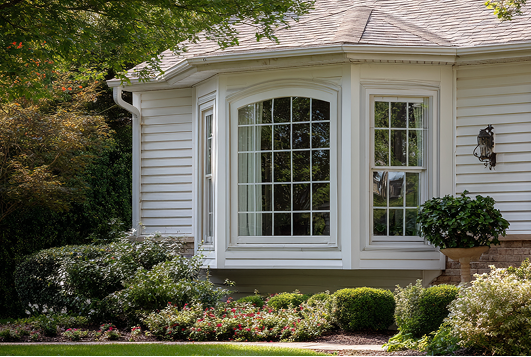
| Bay/bow | $1,500-$7,000+ |
Single-hung windows save $50–$150 per window because only the bottom sash moves. However, you can’t open the top for optimal ventilation, and cleaning the exterior of upper floors requires going outside.
DIY vs. Professional Double-Hung Window Installation
Handling the installation yourself can save $75–$300 per window in labor. It’s real money on a 10-window project. But this approach can be risky:
DIY window replacement is a good idea only when:
For everything else, hire a licensed, insured contractor. The quality of the seal around a window directly determines its energy performance, and a poorly installed $1,000 window can be worse than a well-installed $500 one.
When you decide to hire a pro, HomeBuddy connects you with pre-screened, verified local window contractors, so you're not left guessing about the quality or reliability of who shows up.
Are Double-Hung Windows Worth the Investment?
Despite the upfront costs, replacing old windows with modern double-hung models offers meaningful long-term value. First and foremost, you will see an immediate improvement in your home's comfort and will noticeably reduce your monthly heating and cooling bills. Energy Star-certified windows can save homeowners hundreds of dollars annually, depending on their local climate.
Beyond energy savings, double-hung windows significantly improve your property’s curb appeal and interior aesthetics. Because both sashes tilt inward, cleaning the exterior glass safely from inside your home is easier — a major benefit for second-story rooms. According to the Cost vs. Value Report by Zonda Media, window replacement typically recoups 50–77% of its cost at resale, depending on frame material, with vinyl often delivering the strongest return.
Ways to Save Money on Double-Hung Window Replacement
Conclusion
Replacing your windows is a great way to improve your home. By carefully selecting your frame materials, glass packages, and reliable brands, you can maximize both energy efficiency and aesthetic appeal. Remember that even the highest-quality window will fail if installed improperly, making professional installation a necessity rather than a luxury.
When you are ready to start your project, trust HomeBuddy to connect you with top-rated, verified local contractors who will get the job done right, ensuring your home stays beautiful and comfortable for decades to come.
Frequently Asked Questions
How long do double-hung windows last?
It depends on the frame material. Vinyl windows typically last 20–30 years with minimal maintenance. Fiberglass windows can reach 50 years or more. Wood frames can last 40–60 years if properly maintained with regular painting or sealing, but neglect shortens that significantly. The glass seal on any insulated unit typically lasts about 20 years before it may fail, causing fogging between panes.
What's the difference between single-hung and double-hung windows?
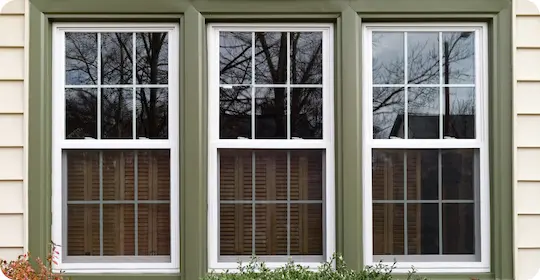
In a single-hung window, only the bottom sash slides up — the top sash is fixed. In a double-hung window, both sashes move independently: the bottom slides up, the top slides down. This gives you more ventilation control (cool air in at the bottom, warm air out at the top) and makes cleaning easier, since many double-hung models tilt the sashes inward. The primary difference is cost — double-hung windows cost $50–$150 more per window than comparable single-hung models.
What is the difference between full-frame and retrofit window replacement?
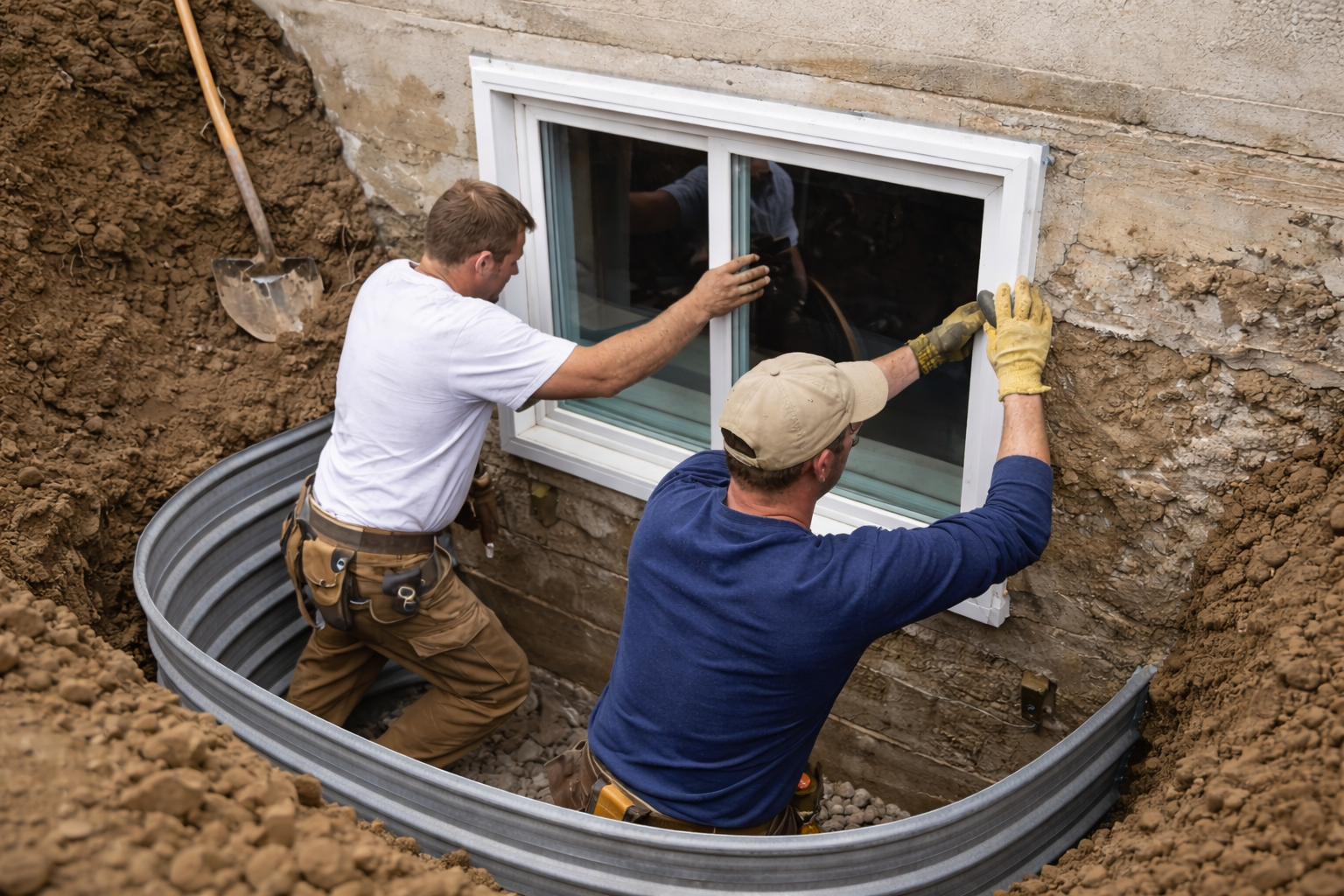
A retrofit replacement removes only the old sashes and hardware, leaving the existing frame in place. It's faster, cheaper, and less disruptive — ideal when frames are structurally sound. A full-frame replacement strips everything down to the rough opening, including the frame, sill, and exterior trim. It costs $150–$250 more per window but is necessary when frames are rotted, warped, out of square, or when you're changing window size.
How energy efficient are double-hung windows?
Double-hung windows can be highly energy efficient when equipped with the right glass package. Look for windows with a U-factor of 0.30 or lower and an SHGC of 0.30 or lower. Argon-filled, double-pane windows with Low-E coating are the practical sweet spot for most climates. Triple-pane with krypton fill pushes efficiency further and is worth the premium in cold northern climates.
What is the average cost to replace one double-hung window?
The national average for a single professionally installed double-hung window is approximately $600–$700, with a range of $400–$1,275 depending on size, frame material, and glass package. Always get a written quote that separates material and labor costs so you know exactly what you're paying for.