



)
How We Calculated This Cost
HomeBuddy estimates window replacement costs using real project pricing from completed residential window projects, matched against the scope and details submitted in each project request. Estimates account for the number and size of windows, frame and glass options, window style, installation method, accessibility, and any structural work required. Public pricing references are reviewed to confirm that published ranges reflect current product and installation costs.
Expanded details
Data used: HomeBuddy project cost data, completed project costs, and residential project request details
Project scope: individual window replacements, multiple-window projects, full-home replacements, and standard or specialty window installations
Main cost factors: window quantity, style, dimensions and weight, frame material, glass configuration, retrofit or full-frame installation, floor level, site access, structural work, and local labor costs
Location signals: ZIP, city, and state-level pricing patterns where available
Public references: used to confirm product and installation cost ranges and keep estimates aligned with current market conditions
Key Points
-
A full-home project replacing 10–15 windows typically runs $7,000–$18,000.
-
Dense areas like Jersey City and Hoboken tend to run higher than Camden or Cherry Hill, largely due to local labor rates and demand.
-
Vinyl is the most popular and affordable frame material for New Jersey's climate, typically $400–$900 per window.
-
Most NJ municipalities require a permit when the rough opening size changes, though same-size swaps sometimes skip that step.
-
Replacing 8 or more windows in one project typically unlocks volume pricing from most New Jersey contractors.
Average Window Replacement Cost in New Jersey
Most New Jersey homeowners installing standard vinyl double-hung windows pay $450 to $1,250 per window, with the bulk of quotes landing around $800 to $900. That per-window figure already includes removal of the old unit and professional installation, not just the window itself.
Scale that up to a full-home project, and a standard 10–15 window replacement typically totals $7,000 to $18,000. The width of that range comes down to three variables: which frame material you choose, which window style you're installing, and where in New Jersey the work is happening. A vinyl double-hung swap in South Jersey sits at the low end; a wood casement job in a dense North Jersey suburb pushes toward the high end. For a broader look at the cost factors that apply to any home, see this general guide to replacement window costs; the rest of this guide focuses on what's specific to New Jersey.
Window Replacement Cost by City and Region in New Jersey
Location moves the price more than most homeowners expect, even within a state as small as New Jersey. Among the metro areas compared here, dense North Jersey communities near New York City and the Shore's tourist-driven towns tend to command higher per-window pricing, while Central and South Jersey areas tend to run lower. Local labor rates and contractor demand drive most of that gap, rather than anything about the windows themselves.
| City/Metro Area | Typical Cost (per window installed) |
|---|---|
| Jersey City / Hoboken | $775–$1,300 |
| Atlantic City | $750–$1,300 |
| Newark | $725–$1,200 |
| Trenton / Princeton | $725–$1,200 |
| Toms River / Brick | $725–$1,200 |
| Paterson / Clifton | $700–$1,175 |
| Edison / New Brunswick | $700–$1,150 |
| Camden / Cherry Hill | $650–$1,100 |
Jersey City and Hoboken sit at the top of this comparison, which tracks with the tight labor market and higher cost of doing business close to New York City. Atlantic City follows closely, reflecting Shore-area demand and the added complexity of coastal installation work. Newark, Trenton/Princeton, and Toms River/Brick cluster together in the middle of the pack, where labor costs run moderate relative to the state's priciest corridors. Camden and Cherry Hill, by contrast, benefit from a more competitive contractor market and lower regional labor costs, landing at the bottom of the range shown here.
None of this means a homeowner in a lower-cost area should expect the bottom of the range automatically — the material, style, and glass choices covered below still move the number as much as location does. Think of the city comparison as a starting point for calibrating expectations, not a fixed quote.
Window Replacement Cost by Frame Material
Frame material is one of the biggest levers on total project cost, and it's worth choosing with New Jersey's climate in mind rather than price alone.
| Material | Cost (per window installed) | Best For |
|---|---|---|
| Aluminum | $350–$800 | Less common in NJ's cold climate |
| Vinyl | $400–$900 | Best overall value for most NJ homes |
| Composite | $700–$1,400 | Balance of performance and appearance |
| Fiberglass | $600–$1,500 | Long-term durability, 30+ year ownership |
| Wood | $900–$2,200 | Historic homes |
Vinyl remains the most popular and affordable choice across New Jersey, and for good reason: it handles the state's cold winters and humid summers without the maintenance demands of wood, and it costs meaningfully less than composite or fiberglass. It also doesn't need repainting or resealing over time, which keeps long-term ownership costs low on top of the initial price. Composite and fiberglass frames cost more upfront but hold up over decades of freeze-thaw cycles, which makes them worth considering for homeowners planning to stay in the home for 30 years or more. Wood commands the highest price of the group and is usually reserved for homes in historic districts, where matching the original architectural character outweighs the added cost and upkeep. Aluminum sits at the bottom of the price range but is less common here, since it conducts cold more readily than the alternatives and performs less well through a New Jersey winter.
Window Replacement Cost by Style
Window style affects price as much as material does, sometimes more, especially once you move past the standard shapes.
| Style | Cost (per window installed) |
|---|---|
| Single-hung | $300–$600 |
| Sliding | $400–$800 |
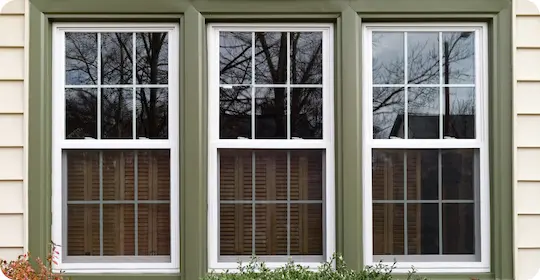
| Double-hung | $450–$1,250 |
| Awning | $450–$950 |
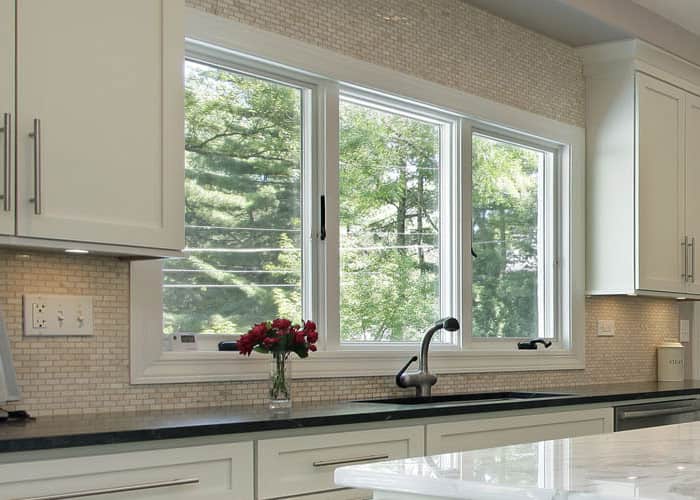
| Casement | $500–$1,100 |
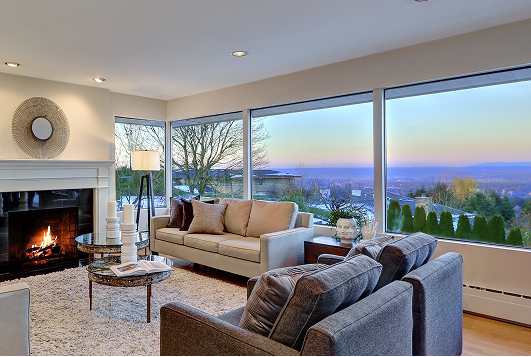
| Picture window | $500–$1,800 |
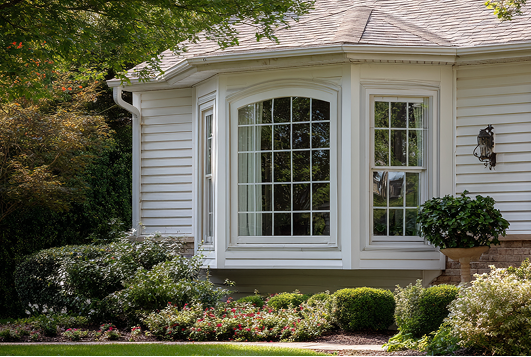
| Bay window | $1,500–$7,000 |
| Bow window | $3,000–$10,000+ |
Single-hung and sliding windows sit at the affordable end, making them a common choice for straightforward, budget-conscious replacements. Double-hung, awning, and casement styles land in the middle and cover most standard New Jersey homes. Picture windows can climb higher depending on size, since a single large pane costs more to manufacture and install than several smaller sashes. Bay and bow windows carry the steepest costs on this list by a wide margin — they require structural framing, extra support, and considerably more installation labor than a standard window opening, which is why a single bay or bow window can cost as much as several standard replacements combined.
How Glass Package Affects the Price
Glass is where a lot of the real performance difference hides, even between two windows that look identical from the street. Double-pane Low-E glass is the standard baseline included in most New Jersey quotes, and it's a reasonable fit for the state's four-season climate on its own.
From there, two common upgrades add cost but bring specific benefits:
Neither upgrade is necessary for every home, but both pay off in the right setting.
Climate Considerations Across New Jersey
New Jersey's geography spans coastline, dense urban corridors, and quieter inland towns, and each calls for a slightly different window setup.
Permits and Installation Type
Most New Jersey municipalities require a permit for window replacement, particularly when the rough opening size changes. Same-size replacements sometimes don't require a permit, but this varies by town, so it's worth a quick call to the local building department before work begins. When a permit is needed, fees typically range from $50 to a few hundred dollars.
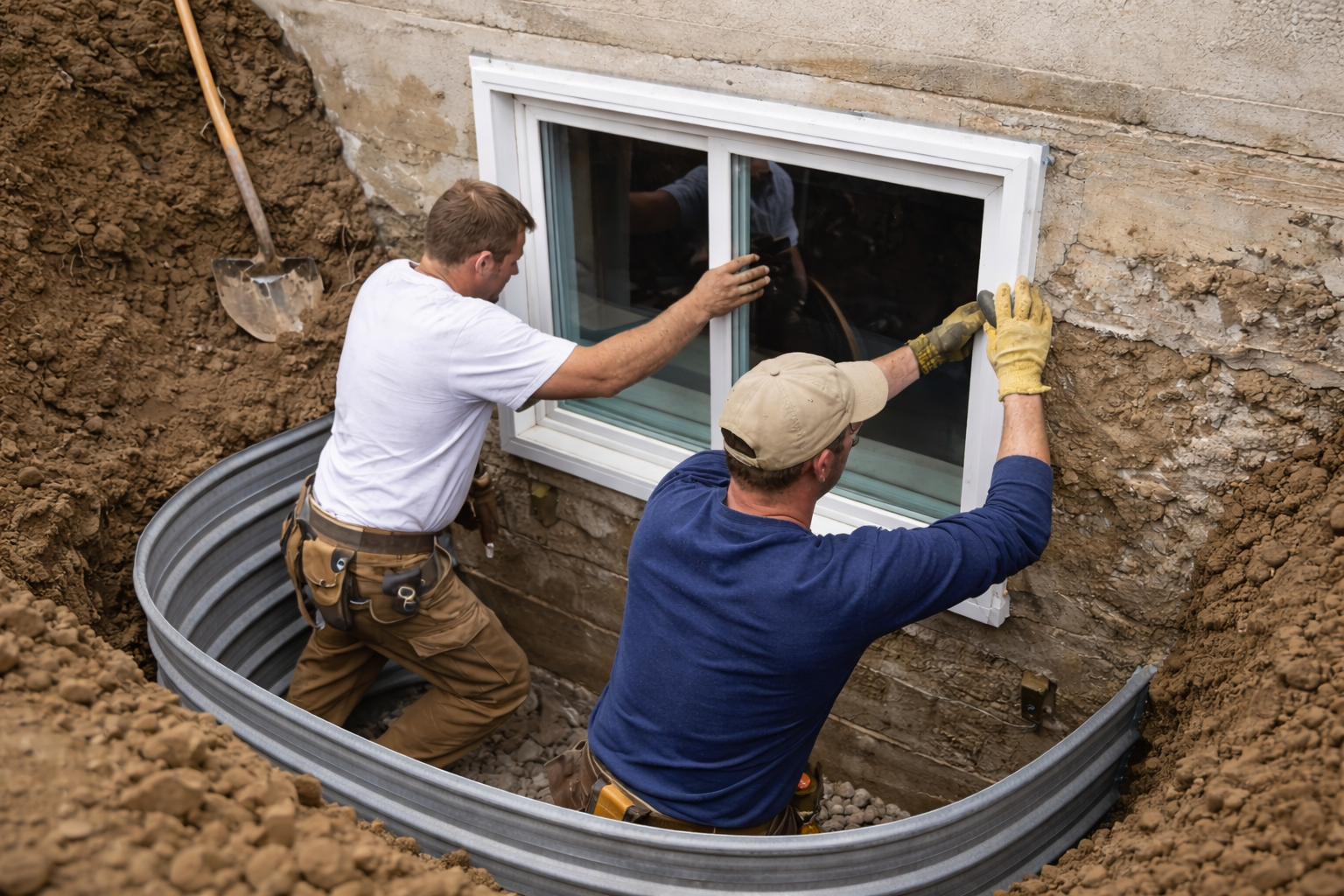
The type of installation also affects both permit requirements and cost. Pocket, or insert, replacements keep the existing frame in place and slot a new window into the opening — this approach costs less and moves faster. Full-frame replacements remove the entire frame down to the studs, which costs more but becomes necessary when the existing frame is damaged, rotted, or structurally compromised. A contractor can typically tell you which approach your home needs after a brief inspection.
Reading a Quote and Choosing a Contractor
A complete, quality estimate should spell out more than just a bottom-line number. Look for line items covering:
A quote missing several of these items can look attractive on price, but it often signals lower-quality materials, minimal warranty coverage, or costs that resurface later as change orders once the crew is already on site. It's worth treating a suspiciously low number as a reason to ask more questions, not less.
Getting three or more itemized quotes makes it much easier to compare apples to apples. Each quote should clearly separate the window unit cost, labor, and any additional charges, so you can see exactly where the price difference between two bids is coming from.
Is Window Replacement Worth It in New Jersey?
Vinyl window replacement typically recoups roughly 65–70% of its cost at resale, which makes it one of the more financially reasonable upgrades a homeowner can make compared to many other renovation projects. That figure holds up even without factoring in the day-to-day savings.
On the utility side, ENERGY STAR certified windows can lower heating and cooling costs by an average of up to 13% compared to non-certified windows, according to ENERGY STAR — a meaningful dent in a New Jersey energy bill across four full seasons of heating and cooling. Beyond the numbers, new windows bring benefits that don't show up on a spreadsheet: less street noise coming through the glass, easier operation than old stuck sashes, and a noticeable boost to curb appeal that matters whether you're staying long-term or preparing to sell.
Frequently Asked Questions
How much does it cost to replace one window in New Jersey?
A single window replacement in New Jersey typically costs $450 to $1,250 installed, depending on material, style, and glass package. Vinyl double-hung windows sit toward the lower end.
Do I need a permit to replace windows in New Jersey?
Most New Jersey municipalities require a permit when the rough opening size changes. Same-size swaps sometimes skip that step, but the rule varies by town.
What's the cheapest window material for New Jersey homes?
Vinyl offers the best overall value here, typically $400 to $900 per window. Aluminum can price lower, but it's less common due to weaker cold-weather insulation.
How much more does triple-pane glass cost?
Triple-pane glass typically adds $150 to $400 per window over standard double-pane Low-E. It improves insulation and cuts outside noise, useful in denser North Jersey areas.
Does window replacement increase home value?
Vinyl window replacement typically recoups roughly 65–70% of its cost at resale, one of the more cost-effective upgrades available to New Jersey homeowners.
New Jersey's window replacement costs come down to the same core range wherever you are in the state — roughly $450 to $1,250 per window — but where you live and what your home needs from its glass are what actually decide your final number. A coastal home near the Shore and a rowhouse in North Jersey call for different hardware and glass packages even at identical price points. Once you know what your home needs, compare window replacement contractors near you to get quotes built around your specific project.