

)
How We Calculated This Cost
HomeBuddy estimates water treatment system costs using real project pricing from completed residential water treatment projects, matched against the scope and details submitted in each project request. Estimates reflect differences in system type, water quality concerns, household needs, installation requirements, plumbing modifications, and project complexity. Public pricing references are reviewed to confirm that published ranges remain consistent with current equipment and installation costs.
Expanded details
Data used: HomeBuddy project cost data, completed project costs, and residential project request details
Project scope: water softener installations, whole-home filtration systems, reverse osmosis systems, water purification solutions, and other residential water treatment projects
Main cost factors: system type, water quality issues, household size, water usage, equipment capacity, plumbing requirements, installation complexity, maintenance features, and local labor costs
Location signals: ZIP, city, and state-level pricing patterns where available
Public references: used to confirm water treatment equipment and installation cost ranges and keep estimates aligned with current market conditions
Key Points
-
Total cost is driven mainly by system type and household size, with salt-based systems generally the most affordable, capable option for San Antonio's hardness.
-
San Antonio's water measures 15 to 20 grains per gallon (gpg), nearly double the national average, so most homes need a higher grain capacity than standard online estimates assume.
-
Homes on well water in areas like Helotes, Boerne, and Bulverde often see even higher hardness, sometimes requiring added iron pre-filtration.
-
Getting three written quotes before hiring an installer is one of the simplest ways to avoid overpaying on labor.
Average Water Softener Cost in San Antonio
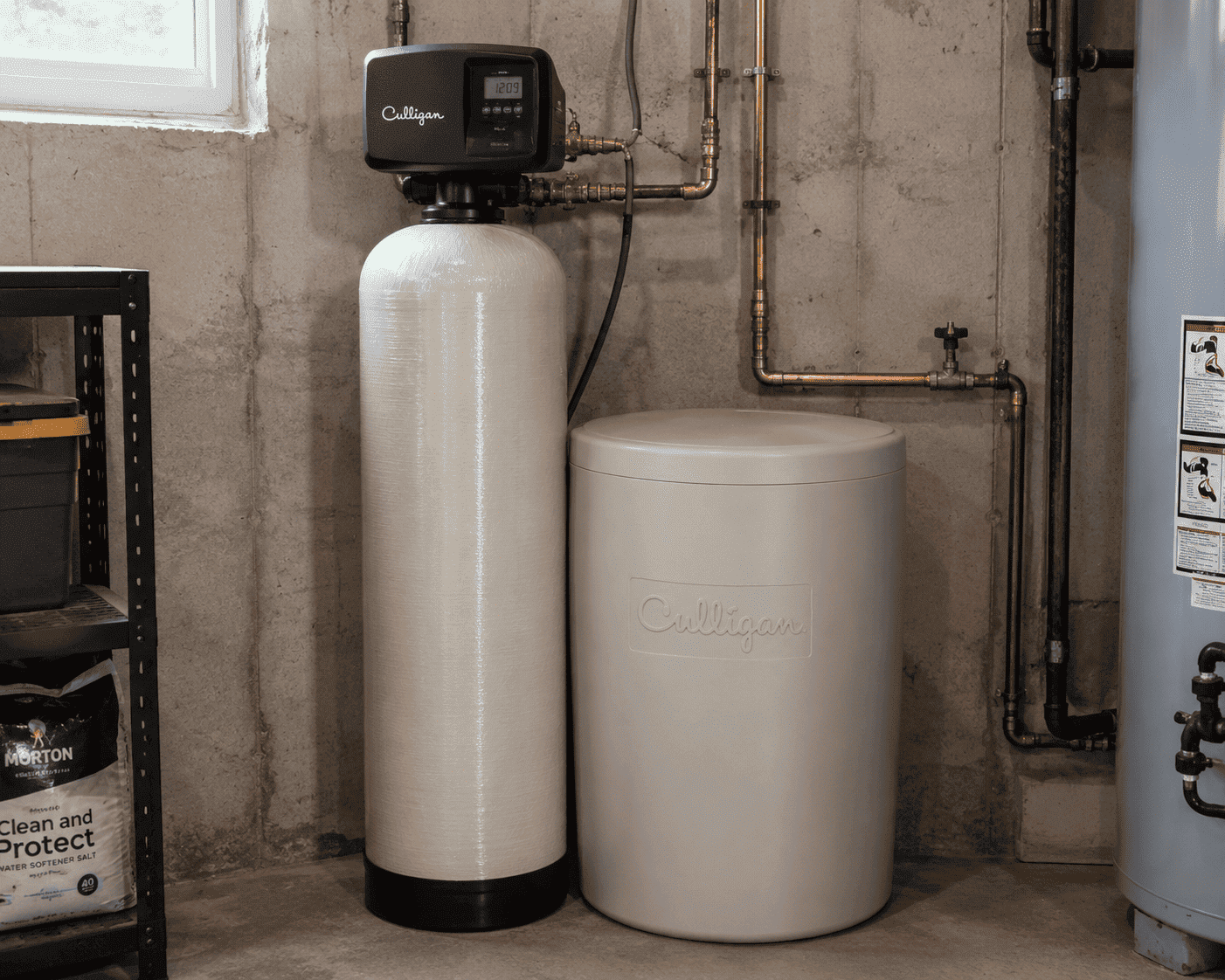
Most San Antonio homeowners pay $800 to $4,500 installed, though where a specific project lands within that range comes down to two main variables: system type and household size. A single-tank salt-based softener for a small household sits at the low end, while a dual-tank system or a whole-house treatment combo for a larger family pushes toward the top.
Because San Antonio's water is unusually hard, sizing matters more here than in most other Texas cities. A system rated correctly for a typical San Antonio home often costs more than the same size unit would in a city with softer water, simply because a higher grain capacity is needed to keep up with demand between regenerations. Installation complexity, such as running new plumbing or a drain line, adds to the total on top of the equipment itself.
Why San Antonio's Water Is So Hard
San Antonio's water is exceptionally hard, and a few key facts explain why and what it means for your system:
Homeowners in San Antonio typically need a system built for the higher end of the hardness scale, not a generic mid-range unit pulled from a national buying guide.
Cost by System Type
| System Type | Unit Cost | Installation | Total Installed | Typical Lifespan |
|---|---|---|---|---|
| Salt-based ion exchange | $500–$2,000 | $300–$700 | $800–$2,700 | 10–15 years |
| Salt-free water conditioner | $800–$3,000 | $300–$500 | $1,100–$3,500 | 6–10 years |
| Dual-tank softener | $1,500–$4,000 | $400–$900 | $1,900–$4,900 | 12–18 years |
| Magnetic or electronic | $200–$600 | $0–$150 | $200–$750 | 5–10 years |
| Whole-house treatment combo | $1,500–$5,000 | $500–$1,200 | $2,000–$6,200 | 10–15 years |
For San Antonio's water specifically, salt-based ion exchange systems remain the most effective and cost-efficient choice, since they fully strip calcium and magnesium regardless of how hard the incoming water is. Salt-free conditioners take a different approach, altering mineral structure rather than removing it, and they do reduce scale buildup, but they don't fully match a salt-based system's performance once hardness climbs above 15 gpg, which is exactly where most of San Antonio sits.
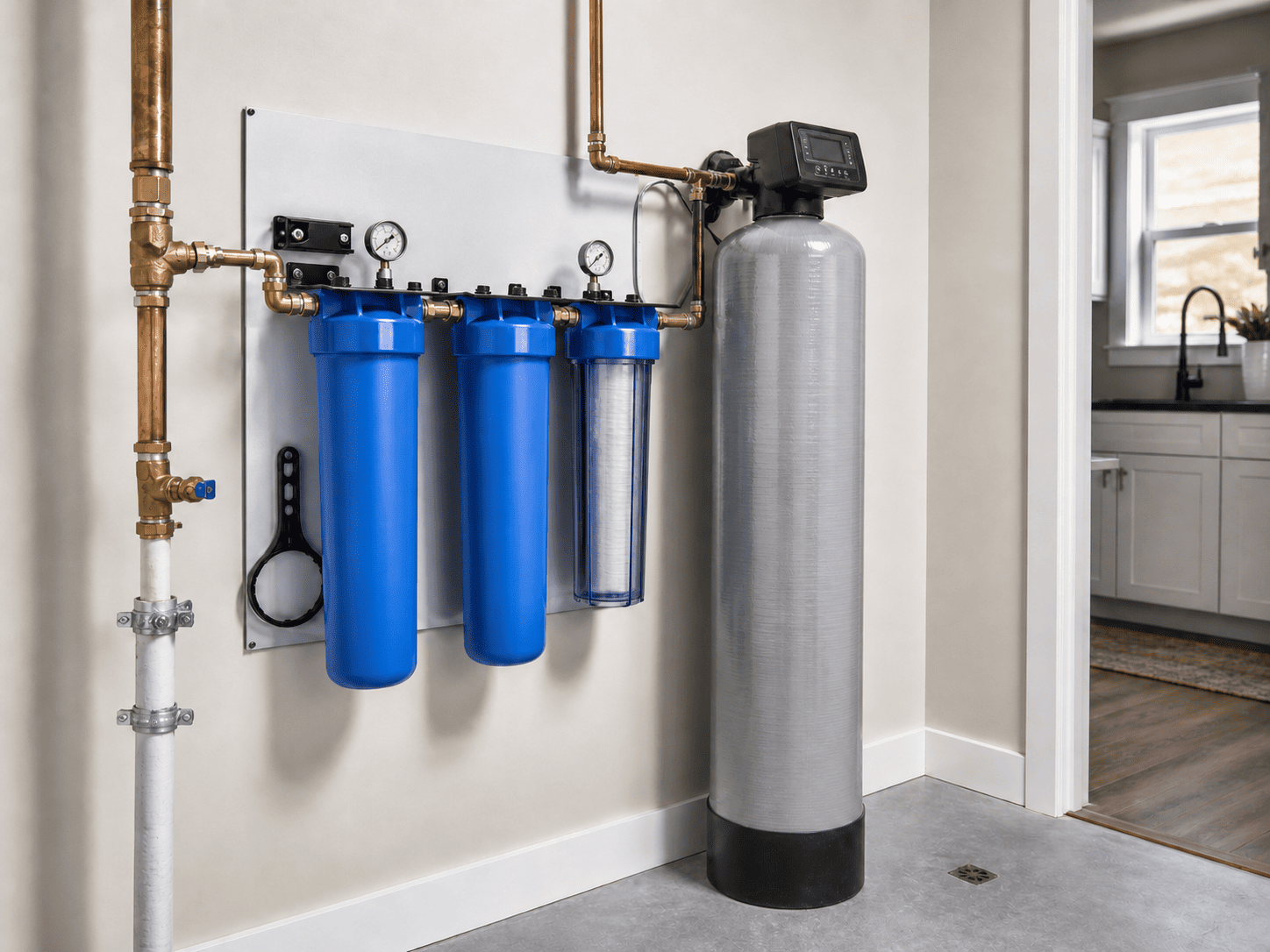
Dual-tank systems cost more upfront but solve a real problem for larger households: one tank stays in service while the other regenerates, so the home never runs out of soft water partway through a cycle. Magnetic and electronic units sit at the lowest price point, but they work by altering mineral behavior rather than removing it, making them a weaker fit for water this hard. A whole-house treatment combo, which pairs softening with additional filtration, makes sense mainly for homes dealing with both hardness and separate water quality concerns.
Sizing Your System for San Antonio's Water
| Household Size | Hardness Level | Recommended Capacity | Typical Total Cost |
|---|---|---|---|
| 1–2 people | 15–20 gpg (San Antonio) | 32,000 grain | $800–$1,500 |
| 3–4 people | 15–20 gpg (San Antonio) | 40,000–48,000 grain | $1,200–$2,500 |
| 5–6 people | 15–20 gpg (San Antonio) | 64,000 grain | $1,800–$3,500 |
| 3–4 people, well water | 20–30 gpg | 48,000–64,000 grain | $1,500–$3,000 |
| 5+ people, multi-bath | 15–25 gpg | 80,000 grain or dual-tank | $2,500–$4,500 |
Grain capacity should be matched to household size and local hardness together, not to household size alone. An undersized system regenerates far more often than it should, wasting salt and water with every extra cycle, while an oversized system costs more upfront without delivering any real benefit once demand is already being met. Getting this pairing right at the outset is one of the most cost-effective decisions a San Antonio homeowner can make.
What's Included in Installation
A standard installation covers the core setup, plus a few common add-ons that can raise the total depending on your home's existing plumbing:
Well Water Areas Outside San Antonio
Homeowners in areas like Helotes, Boerne, Bulverde, and rural Bexar County often rely on private wells rather than the municipal SAWS supply, and well water in these areas frequently tests at 20 to 30 gpg, higher than what's typical closer to the city center among the areas discussed here. Well water in these communities also tends to carry elevated iron content.
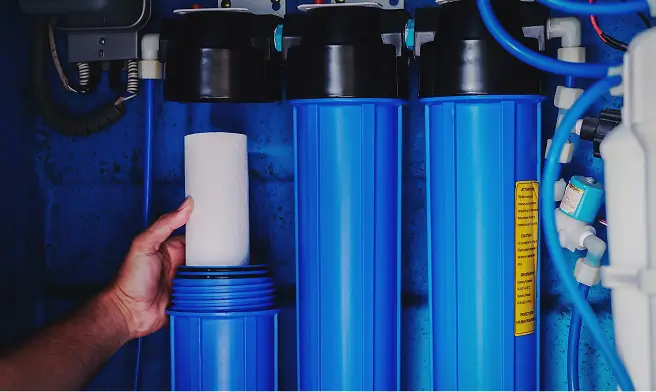
That combination matters for equipment choice. Elevated iron can foul a softener's resin bed over time, gradually reducing its capacity to remove hardness even when the unit is otherwise working correctly. Homeowners in these well water areas often need additional pre-filtration ahead of the softener to protect the resin, which adds to the overall project cost but extends the system's effective lifespan considerably.
Ongoing Costs and Is a Water Softener Worth It?
Beyond the upfront installation, a typical 4-person household spends $60–$200 a year on salt refills and another $50–$150 a year on the water used during regeneration cycles. Resin inside salt-based systems generally needs replacing every 10 to 15 years, at a cost of $200–$400 plus $150–$300 in labor.
Set against those costs, softened water carries real financial upside. A 2009 study by the Water Quality Research Foundation, conducted with the Battelle Memorial Institute, found that homes with softened water can save up to $497 a year through better appliance efficiency, reduced soap and detergent use, and fewer scale-related repairs. That same research found that hard water can cause a 24 to 48 percent loss of efficiency in a water heater, with the effect growing more pronounced at higher hardness levels, the kind San Antonio homes deal with daily.
Weighed against the ongoing operating costs, most homeowners see their system pay for itself within 5 to 8 years through a mix of lower appliance repair bills and reduced cleaning product spending.
How to Save Money on a Water Softener
Frequently Asked Questions
How much does a water softener cost installed in San Antonio?
Installed costs in San Antonio typically run $800 to $4,500, with the exact figure depending on system type, household size, and whether any extra plumbing work is needed.
What size water softener do I need for a 4-person home in San Antonio?
A 4-person San Antonio household generally needs a 40,000 to 48,000 grain system, since local hardness of 15 to 20 gpg calls for more capacity than the same household would need in a city with softer water.
Is a salt-free water conditioner effective in San Antonio's hard water?
Salt-free conditioners do reduce scale buildup, but they don't fully match a salt-based system's performance once hardness climbs above 15 gpg, which describes most of San Antonio's supply.
How much does it cost to replace an old water softener?
Replacing an existing softener costs $700 to $3,500, typically $150–$300 less than a first-time installation, since the plumbing loop, drain line, and electrical outlet are usually already in place.
Does a water softener add sodium to drinking water?
Salt-based softeners do add a small amount of sodium, roughly 30 milligrams per liter for every 10 gpg removed, which at San Antonio's hardness level works out to about 54 mg per liter, well under the FDA's 140 mg per liter threshold for "low sodium."
Do I need a permit to install a water softener in San Antonio?
Permit requirements can depend on the scope of plumbing work involved, particularly if a new drain line or electrical outlet is being added, so it's worth confirming with your installer or the city before work begins.
A water softener in San Antonio typically runs $800 to $4,500 installed, with the Edwards Aquifer's exceptionally hard water pushing most households toward a larger, more capable system than they'd need almost anywhere else in the state. Getting the sizing and system type right from the start pays off for years. If you're ready to move forward, compare water treatment pros near you to get quotes from local installers.