


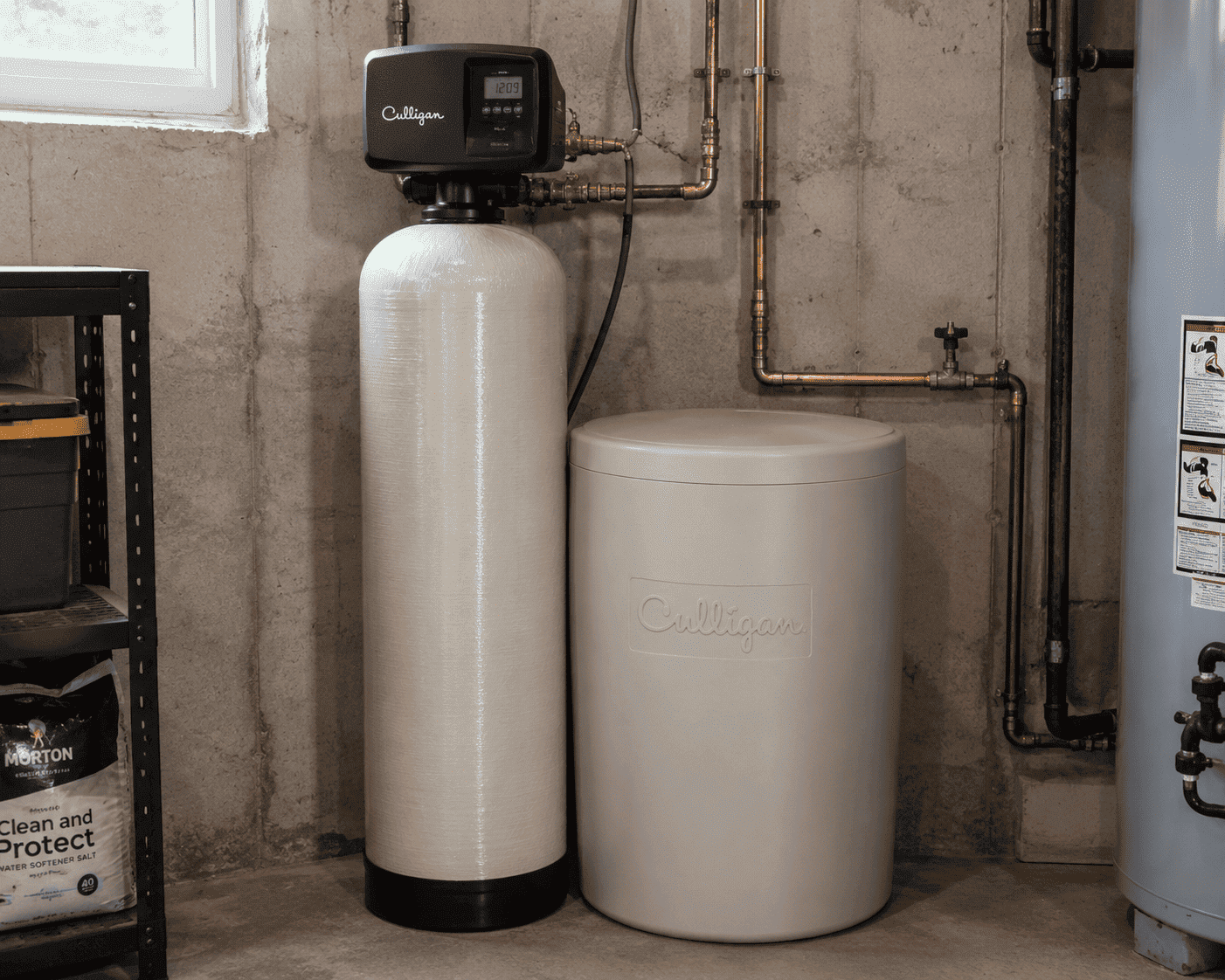
How Much Does a Whole House Water Filtration System Cost?

A whole-house water filtration system cleans all the water entering your home, improving drinking water quality and protecting plumbing and appliances. The cost depends on the type of system, your water quality, and how complex the installation is.

On average, homeowners spend on installed systems around:

$1,500 - $5,500
Whole House Water Filtration System

    Author image Brian Birnbaum Author

    Updated:

    Key Points

    • Whole-house filtration systems usually cost somewhere between $1,500 and $5,500+, including installation.
    • High-end or complex systems can reach $10,000+, especially for well water or multi-stage setups.
    • Basic systems start around $500-$1,500, while advanced systems cost significantly more.
    • Installation can add another $300 to $2,000+, depending on how complicated your plumbing is.
    • You’ll also spend around $100 to $500 a year on filters and basic maintenance.

    Average Whole-House Water Filtration System Cost

    The total cost of a whole-house water filtration system isn’t just the unit - you also need to factor in installation. The final price depends on the type of system you choose, how much water it needs to handle, and how complicated the setup is.

    Typical Price Range

    System TypeSystem CostInstalled Cost Range
    Basic carbon filtration$500 - $1,500$1,500 - $3,000
    UV filtration systems$800 - $2,000$1,500 - $3,500
    Water softener systems$800 - $3,000$1,500 - $4,500
    Combination systems$2,000 - $5,000+$3,000 - $7,000+
    Reverse osmosis (whole-house)$2,000 - $5,000+$3,000 - $10,000+

    Basic systems usually take care of things like chlorine and sediment. The more advanced ones are built for tougher problems like heavy metals, bacteria, or issues you often get with well water.

    System Cost vs Installation Cost

    The system itself is usually the biggest expense, but installation still plays a key role in the total price.

    • System cost: typically ranges from $500 to $5,000+, depending on type and features

    • Installation cost: usually adds $300 to $2,000+, based on plumbing access, labor, and system complexity

    If the install is simple, costs usually stay on the lower end. But once things get more involved, like multi-stage systems or setups that need electrical work (like UV units), labor costs start to go up.

    Most homes will spend $1,500–$5,500 installed, while high-end multi-stage systems can exceed $10,000.


    Whole-House Water Filtration Cost by System Type

    The type of system you choose has the biggest impact on the total cost. Some systems are designed for basic filtration, while others target specific issues like bacteria, heavy metals, or hard water.

    • Carbon Filtration Systems

      TypeSystem CostInstalled Cost
      Basic carbon filter$500 - $1,500$1,500 - $3,000

      Carbon systems are the most common and affordable option. They remove chlorine, sediment, and improve taste and odor, making them ideal for city water.

    • Reverse Osmosis Systems

      TypeSystem CostInstalled Cost
      Whole-house RO system$2,000 - $5,000+$3,000 - $10,000+

      Reverse osmosis systems provide very high filtration, removing contaminants like lead, nitrates, and dissolved solids. However, they are more expensive and typically used when water quality issues are more severe.

    • UV Water Treatment Systems

      TypeSystem CostInstalled Cost
      UV filtration system$800 - $2,000$1,500 - $3,500

      UV systems are used to kill bacteria and viruses. They don’t remove particles or chemicals, so they are usually combined with other filtration systems.

    • Water Softeners and Combination Systems

      TypeSystem CostInstalled Cost
      Water softener$800 - $3,000$1,500 - $4,500
      Combo filtration systems$2,000 - $5,000+$3,000 - $7,000+

      Water softeners reduce hardness (calcium and magnesium), helping prevent scale buildup in pipes and appliances. Combination systems handle multiple issues at once, which increases the cost.

    • Well-Water Filtration Systems

      TypeSystem CostInstalled Cost
      Well-water filtration system$1,500 - $5,000+$3,000 - $10,000+

      Homes with well water often need more advanced systems to handle iron, sulfur, bacteria, and sediment. These systems are usually multi-stage, which makes them more expensive but necessary for proper filtration.


    What Affects the Cost of a Whole-House Water Filtration System?

    Let’s look at the factors that affect the cost of a whole-house water filtration system. 

    • Water Quality and Contaminants

      Water quality is the biggest factor in determining cost. If your water only has minor issues like chlorine or sediment, a basic system will be enough. 

      But if you’re dealing with iron, bacteria, sulfur, or well water, you’ll need a more advanced, multi-stage system, which increases the price.

    • System Size and Capacity

      The size of your home and water usage also affect the cost. Smaller homes can use lower-capacity systems, which are more affordable. 

      Larger homes with multiple bathrooms need higher-capacity systems to maintain water pressure and performance, which adds to the total cost.

    • Number of Filtration Stages

      Systems with more filtration stages cost more because they provide deeper treatment. 

      A single-stage system is the most affordable, while multi-stage systems that combine sediment filters, carbon filters, and UV or reverse osmosis units increase both the upfront and long-term cost.

    • Installation Complexity

      Installation costs vary depending on how easy it is to connect the system to your plumbing. 

      Homes with accessible plumbing are cheaper to work on, while older homes, tight spaces, or systems that require electrical connections (like UV units) can increase labor costs.

    • Materials and Build Quality

      The quality of the system matters too. Cheaper options usually use more basic materials, so parts may need to be replaced more often.

      Higher-quality systems cost more upfront, but they tend to last longer and don’t need as much maintenance over time.


    Installation Costs Explained

    Installation is a separate cost from the system itself, and it can vary depending on your home and the type of system you choose. In most cases, installation adds $300 to $2,000+ to the total price.

    • Labor Costs

      Labor is the main part of the installation cost. If your plumbing is easy to access and the system is simple, labor stays on the lower end, often around $300 to $800

      More complex setups, such as multi-stage systems or installations in tight spaces, take more time and can push costs closer to $1,500 to $2,000+.

    • Plumbing and Electrical Work

      Some systems require additional work beyond basic installation. For example, UV systems need an electrical connection, and certain setups may require pipe modifications or upgrades.

      If extra plumbing or electrical work is needed, this is usually what pushes installation costs toward the higher end of the range.

    • Permits, Modifications, and Repairs

      In some cases, you might need a permit or a few small changes around the house, depending on local rules and how involved the installation is.

      Older homes can need a bit of extra work, too, like adjusting pipes or fixing small issues before anything gets installed. These kinds of things can add to the total, especially if there’s more than one change to deal with.


    Ongoing and Long-Term Costs

    The upfront cost is only part of the total expense. To keep a whole-house water filtration system working properly, you’ll also need to budget for ongoing costs like filter replacements, maintenance, and energy use.

    • Filter Replacements

      Filters must be replaced regularly to maintain performance. Costs depend on the system type and replacement frequency. 

      Most homeowners spend around $100 to $300 per year on replacement filters. Basic systems are cheaper to maintain, while multi-stage systems with multiple filters can increase this cost.

    • Maintenance and Servicing

      Some systems require occasional servicing to stay efficient. This may include cleaning components, checking system pressure, or replacing parts over time.

      Maintenance costs are usually modest, but for more advanced systems, professional servicing can add another $100 to $200 per year.

    • Energy and Water Use

      Certain systems, like UV filters and reverse osmosis units, use electricity or waste some water during the filtration process.

      These costs are generally low but can still add up over time. In most cases, energy and water use will add a small amount to your utility bills, especially for more advanced systems.


    Is a Whole-House Water Filtration System Worth the Cost?

    A whole-house system isn’t cheap upfront, but for a lot of homeowners, it ends up being worth it, especially if water quality is a real concern.

    • Water Quality, Safety, and Daily Comfort

      A whole-house system improves water across your entire home. This means cleaner drinking water, better-tasting water, and fewer issues with odors or discoloration. 

      It also reduces exposure to contaminants like chlorine, sediment, and, in some cases, bacteria or heavy metals.

    • Long-Term Savings vs Bottled Water and Plumbing Damage

      While the upfront cost may seem high, it can reduce other ongoing expenses. Many homeowners spend less on bottled water after installing a system. 

      It can also help prevent scale buildup and corrosion, which reduces the risk of costly plumbing repairs over time.

    • Impact on Appliances, Plumbing, and Home Value

      Filtered water is easier on appliances like water heaters, dishwashers, and washing machines. This can extend their lifespan and improve efficiency.

      In some cases, having a whole-house filtration system can also add value to your home, especially in areas where water quality is a known issue.


    How to Choose the Right Whole-House Water Filtration System

    Choosing the right system comes down to your water quality, budget, and how much filtration your home actually needs. The goal is to avoid overpaying while still solving your water issues effectively.

    • Match the System to Your Water Quality

      Start with a water test to understand what you’re dealing with. If your water only has minor issues like chlorine or sediment, a basic system is usually enough and keeps you closer to the $1,500 to $3,000 range.

      If you’re dealing with well water, bacteria, iron, or heavy metals, you’ll need a multi-stage system, which typically pushes costs toward $3,000 to $5,500 or more.

    • Balance Price, Performance, and Longevity

      Lower-cost systems can handle basic filtration but may require more frequent replacements. Higher-end systems cost more upfront but are more durable and consistent over time.

      In many cases, spending more initially can reduce long-term costs by lowering maintenance needs and protecting your plumbing and appliances.

    • Professional Installation vs DIY

      Some basic systems can be installed yourself, which can save a bit of money upfront. But most whole-house setups are more complicated and usually need a professional to get them working properly.

      DIY installation may reduce upfront costs, but professional installation is recommended to avoid potential damage and ensure proper filtration. For more complex systems, it’s usually safer (and often cheaper in the long run) to have a pro handle it.


    Conclusion

    A whole-house water filtration system typically costs $1,500 to $5,500 installed for most homes, depending on the system type, water quality, and installation complexity. Simpler setups stay on the lower end, while multi-stage or high-capacity systems can push the total to $10,000+.

    If you’re ready to move forward, comparing quotes from local professionals is the best way to get an accurate price. You can explore water treatment systems near you to find trusted installers and choose a setup that fits your home and budget.


    Frequently Asked Questions

    How much can you expect to pay to install a whole-house water filter?

    Installation typically costs $300 to $2,000+, depending on how complex the setup is. Simple installations with easy plumbing access stay closer to $300-$800, while more advanced systems, especially those requiring pipe modifications or electrical work (like UV systems), can push costs to $1,500-$2,000+.

    How often should you replace your filters?

    Most filters need to be replaced every 3 to 12 months, depending on the system type, water quality, and usage. Basic sediment or carbon filters are usually replaced more frequently, while larger or multi-stage systems may last longer. On average, homeowners spend $100 to $300 per year on filter replacements.

    Does a whole-house water filtration system reduce water pressure?

    A properly sized and correctly installed system should not noticeably reduce water pressure. However, pressure can drop if the system is too small for your home, uses multiple filtration stages, or has clogged filters. Regular maintenance and choosing the right capacity system help prevent this issue.

    Is a whole-house system worth it for city water?

    Yes, if you want better taste, fewer chemicals like chlorine, and less wear on plumbing and appliances. Most homes with city water only need a basic system, which keeps costs closer to $1,500 to $3,000 installed.

    Introducing HomeBuddy AI! Get instant answers for any home project.

    Try it now