



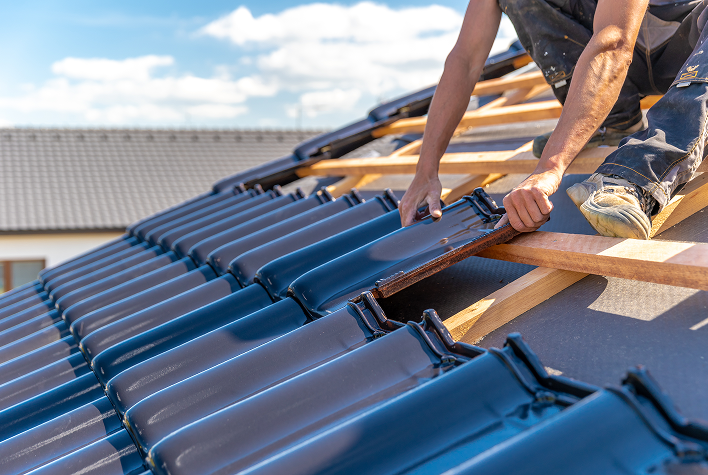
)
How We Calculated This Cost
HomeBuddy estimates roofing costs using real project pricing from completed residential roofing jobs, matched against the scope and details submitted in each project request. The estimates reflect roof repair, replacement, and storm damage projects, including differences in roof area, pitch, material, tear-off requirements, access, and underlying damage. Public pricing references are reviewed to confirm that published ranges remain consistent with current material and labor costs.
Expanded details
Data used: HomeBuddy project cost data, completed project costs, and residential project request details
Project scope: minor roof repairs, complete roof replacements, and replacements following storm or extreme-weather damage
Main cost factors: roof area, material type, roof pitch, existing roofing layers, tear-off and disposal requirements, site access, decking condition, and local labor costs
Location signals: ZIP, city, and state-level pricing patterns where available
Public references: used to confirm material and labor cost ranges and keep estimates aligned with current market conditions
Key Points
-
Material is the biggest swing in cost, with shingle roofs far below tile and metal.
-
Arizona requires a contractor license for jobs over $1,000 or any permitted job, and the state's recovery fund can pay up to $30,000 under certain conditions.
-
Replacing only the underlayment under good tile can cost less than a full tile replacement.
-
The SRP cool roof rebate (30 cents per square foot, up to $600) applies only to low-slope roofs.
-
October through April is the more comfortable installation season.
Average Cost of Replacing a Roof in Arizona
Most Arizona homeowners land inside that range for a full replacement, which here means tear-off, new underlayment, flashing, and cleanup, priced per square foot of roof surface. An architectural shingle roof of about 2,000 square feet usually lands between $9,000 and $16,000, while tile and metal roofs of the same size commonly land between $16,000 and $36,000. Large, steep, or complex roofs go higher.
Roofers price the roof surface, not the living area, and the surface is often larger than people expect. Many Phoenix-area homes are single-story with covered patios and wide overhangs, which adds roof without adding rooms. Averages published online vary widely, with some below $8,000 and some above $20,000, so compare quotes on the same material, roof size, and scope. For the broader picture, see our general roof replacement cost guide.
What Makes Roofing in Arizona Different: Heat, Sun, Monsoon, and Elevation
Roofing costs in Arizona are shaped by a handful of local conditions, and each one changes which material makes sense or how the roof gets installed. Summer sun and the monsoon hit the same roof in the same months, the state splits into a low desert and a snowy high country, and the housing stock is newer than the national median. Here is how each factor shows up in the price.
Cost by Roofing Material
Architectural shingles are the cheapest option in Arizona but wear out fastest in the sun. Tile and metal cost roughly twice as much and last two to four times longer. Foam and membrane suit flat roofs, and finish quality matters on metal in strong sun. Each material has its own guide: asphalt shingle roofs, tile roofs, metal roofing, and flat and foam roofs.
| Material | Cost per Sq Ft | Typical Total (about 2,000 Sq Ft) | Typical Lifespan in Arizona | Notes |
|---|---|---|---|---|
| Architectural asphalt shingles | $4,50 to $8 | $9,000 to $16,000 | 12 to 20 years (up to about 25 with reflective granules) | Cheapest; wears fastest in sun |
| Foam or flat membrane | $4 to $9 | $8,000 to $18,000 | Varies | For flat and low-slope roofs |
| Concrete tile | $9 to $16 | $18,000 to $32,000 | 40 to 50 years | Heavy; may need a structural check |
| Clay tile | $12 to $20 | $24,000 to $40,000 | 50 to 75 years | Heaviest and priciest tile option |
| Metal | $8 to $17 | $16,000 to $34,000 | 40 to 60 years | Finish quality matters in strong sun |
Tile Roofs: Full Replacement or Underlayment Only?
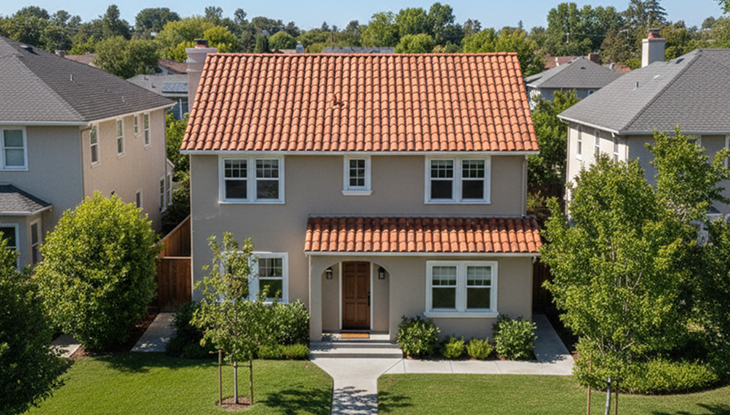
On a Phoenix-area tile roof, the waterproof underlayment beneath the tile often wears out before the tile does. A home with sound tile can have the tile lifted, the underlayment replaced, and the same tile reinstalled, which generally costs less than a full tile replacement.
This route only makes sense when the tile is in good condition and can be reused. Some tile breaks during removal, so a quote should say how breakage is handled and who pays for replacements. Tile removal and disposal are also heavier work than shingle tear-off, so expect the labor line to reflect that. Because underlayment-only pricing varies with roof size and tile condition, get it quoted in writing rather than assuming a number.
Cost by Roof Size
These figures are planning ranges calculated from the per-square-foot rates above, not quotes. They are based on roof surface area, not living area. A single-story Arizona home has more roof than a two-story home with the same living space, so measure the roof itself or ask a roofer to.
| Roof Area | Architectural Shingles ($4.50 to $8) | Concrete Tile ($9 to $16) | Metal ($8 to $17) |
|---|---|---|---|
| 1,500 sq ft | $6,750 to $12,000 | $13,500 to $24,000 | $12,000 to $25,500 |
| 2,000 sq ft | $9,000 to $16,000 | $18,000 to $32,000 | $16,000 to $34,000 |
| 2,500 sq ft | $11,250 to $20,000 | $22,500 to $40,000 | $20,000 to $42,500 |
| 3,000 sq ft | $13,500 to $24,000 | $27,000 to $48,000 | $24,000 to $51,000 |
Roof Costs Across Arizona
Among the markets compared here, Scottsdale and the other high-end Valley markets sit at the top. Phoenix and the East Valley (Mesa, Chandler, Gilbert, Tempe) sit in the middle, and Tucson and Yuma sit at the lower end. Flagstaff runs close to Phoenix, but its roofs are detailed for snow and ice rather than heat. The gap between the lowest- and highest-priced markets compared is roughly 10 to 20 percent.
The reasons are practical. Scottsdale tends to have larger custom homes, premium tile, and design review in some communities. Phoenix has a large, competitive contractor market. Tucson is competitive with lower labor rates, and Yuma is a smaller market where extreme sun exposure drives material choice.
Market | How Pricing Compares | Why |
|---|---|---|
Scottsdale and high-end Valley markets | Top of the markets compared | Larger custom homes, premium tile, design review in some communities |
Phoenix and the East Valley (Mesa, Chandler, Gilbert, Tempe) | Middle | Large, competitive contractor market |
Tucson | Lower end | Competitive local market, lower labor rates |
Yuma | Lower end | Smaller market, extreme sun exposure drives material choice |
Flagstaff | Close to Phoenix | Snow and ice detailing offset lower heat demands |
What Else Adds to the Price
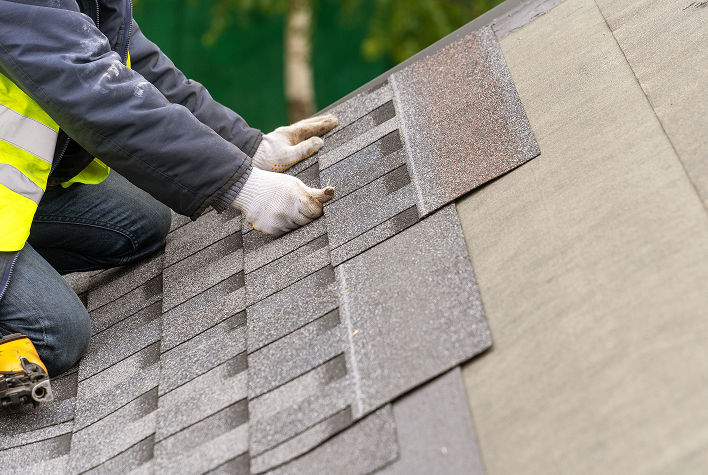
Removing the old roof typically runs $1 to $3 per square foot, and tile is heavier. After years of Arizona sun, decking can turn brittle and need replacement, usually $500 to $1,000 for limited areas and more when damage is widespread. Flashing, vents, steep slopes, and complex roof shapes also raise labor, though those vary too much to price in advance.
Permits usually run $150 to $500, depending on the city. If you want to understand what removal involves, our tear-off and replacement cost guide walks through it.
Cool Roofs and the SRP Rebate
A cool roof reflects more sunlight and sheds more heat than a conventional one. SRP customers can claim a rebate of 30 cents per square foot, up to $600, under SRP's cool roof rebate terms. It applies only to low-slope roofs (2:12 or less) with products rated by the Cool Roof Rating Council and backed by at least a seven-year warranty.
You must be a permanent SRP residential electric customer with electric air conditioning or evaporative cooling. The work has to be finished by April 30, 2027, and submitted within six months of installation. New construction and installations over garages or patios do not qualify.
That rules out most pitched tile and shingle roofs, so the rebate matters mainly to homes with flat or low-slope sections. Check with your own utility for any other program.
Licensing and Permits in Arizona
Arizona requires a contractor license when a project costs more than $1,000 including labor and materials, or when the city requires a permit, according to the Arizona Registrar of Contractors' licensing overview. A roof replacement clears that bar almost every time. Roofing falls under the R-42 residential class and the combined CR-42 class, which the Registrar's license classifications list as covering tile, shingles, shakes, slate, metal, and urethane foam.
The Residential Contractors' Recovery Fund can pay up to $30,000 toward correcting or completing work under certain conditions. Hiring an unlicensed contractor means giving up those protections.
To verify a contractor, use the Registrar's free online license search, which covers more than 40,000 licensed companies, and confirm the license is current on the day you sign.
Most roof replacements need a city or county permit, and the contractor should pull it. Rules and fees vary by city. Phoenix, for example, handles reroofing through an over-the-counter permit application that asks for the contractor's ROC license class and number.
Best Time of Year to Replace a Roof in Arizona
October through April is generally the more comfortable window for crews and materials, and many contractors report better availability in fall and winter. Summer work means early starts and heat-safety breaks for the crew.
The monsoon runs June 15 to September 30 and brings sudden storms, so a roof that is already leaking should not wait for fall. A temporary repair can hold until a full replacement is scheduled.
What an Arizona Roofing Quote Should Spell Out
Frequently Asked Questions
How much does it cost to replace a roof in Arizona?
Most Arizona roof replacements cost between $9,000 and $30,000, depending mainly on material and roof size. A 2,000-square-foot shingle roof usually runs $9,000 to $16,000, while tile and metal of the same size commonly run $16,000 to $36,000.
Do I need a permit to replace a roof in Arizona?
Most roof replacements in Arizona need a city or county permit, and your contractor should pull it. Rules and fees vary by city, and a permitted job also triggers the state licensing requirement.
Can I replace only the underlayment on my tile roof?
Replacing only the underlayment is possible when your tile is in good condition and can be reused. The tile is lifted, the underlayment is replaced, and the same tile goes back, though some pieces may break during removal.
How long does a shingle roof last in Arizona?
A shingle roof in Arizona commonly lasts roughly 12 to 20 years, and up to about 25 for architectural shingles with reflective granules. That is shorter than the 25 to 30 years on many labels because of long sun exposure.
What is the best time of year to replace a roof in Arizona?
October through April is generally the more comfortable window for crews and materials. A leaking roof should still be addressed during the June 15 to September 30 monsoon rather than left until fall.
Are there rebates for cool roofs in Arizona?
SRP offers a cool roof rebate of 30 cents per square foot, up to $600, for qualifying low-slope roofs installed by April 30, 2027. Most pitched tile and shingle roofs do not qualify.
Most Arizona homeowners can expect to pay between $9,000 and $30,000, and the biggest driver is how sun exposure shapes the material choice, from shingle to tile. Get quotes that spell out underlayment, tear-off, and licensing, then compare roofing contractors near you before you commit.
-
-
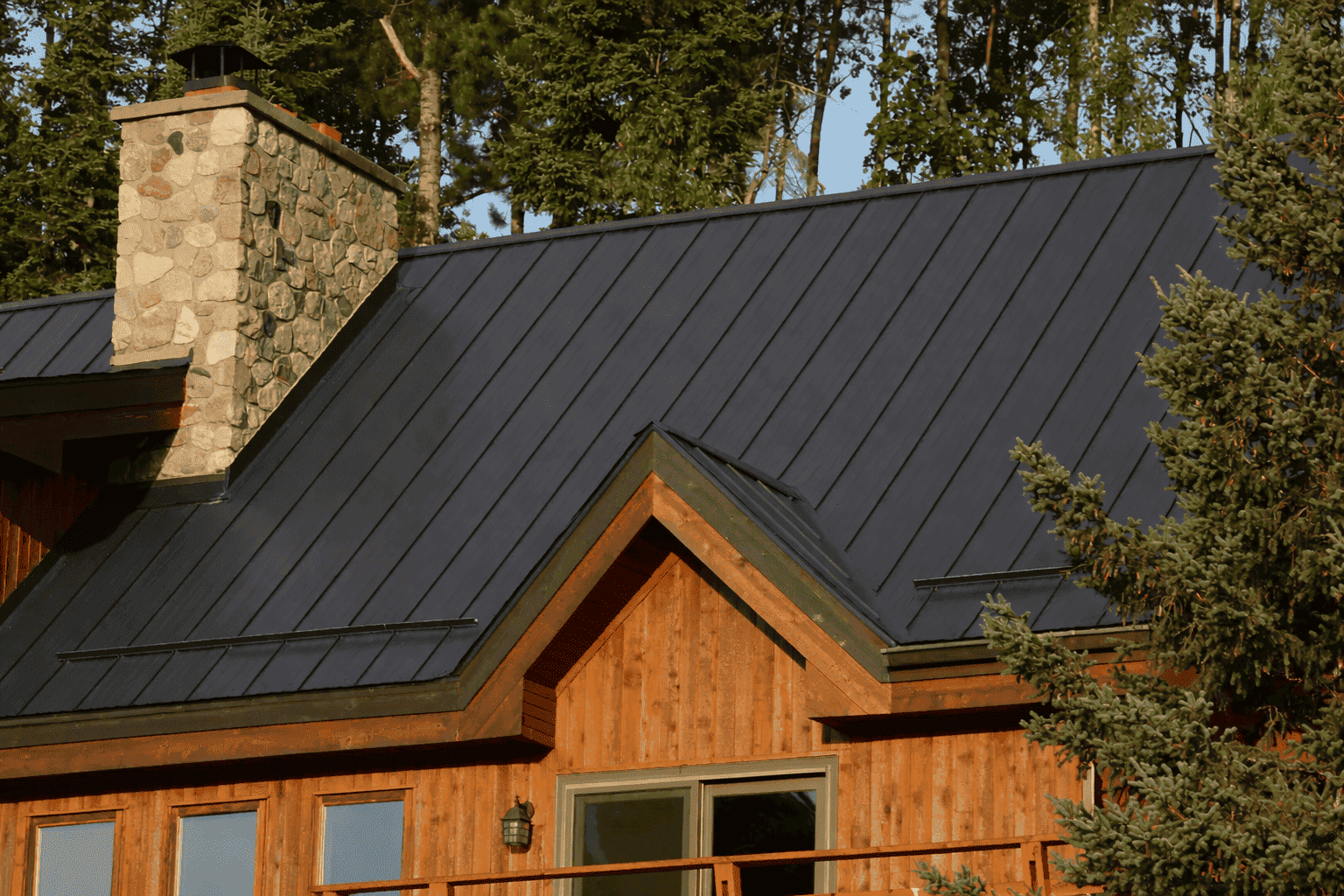
How Much Does a Standing Seam Metal Roof Cost?
-

How Much Does a Metal Roofing Cost?
-
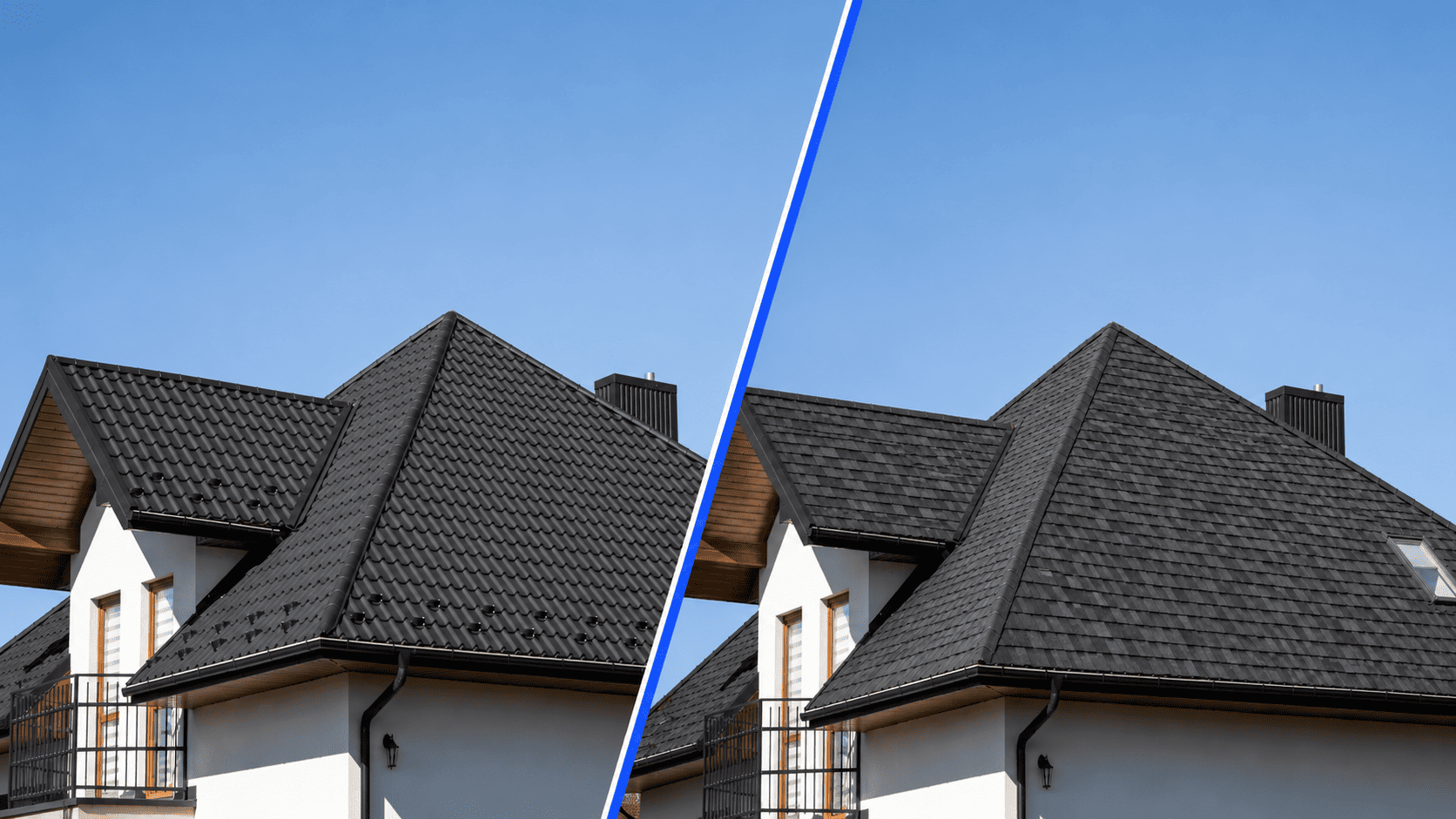
Cost of Metal Roof vs Shingles
-
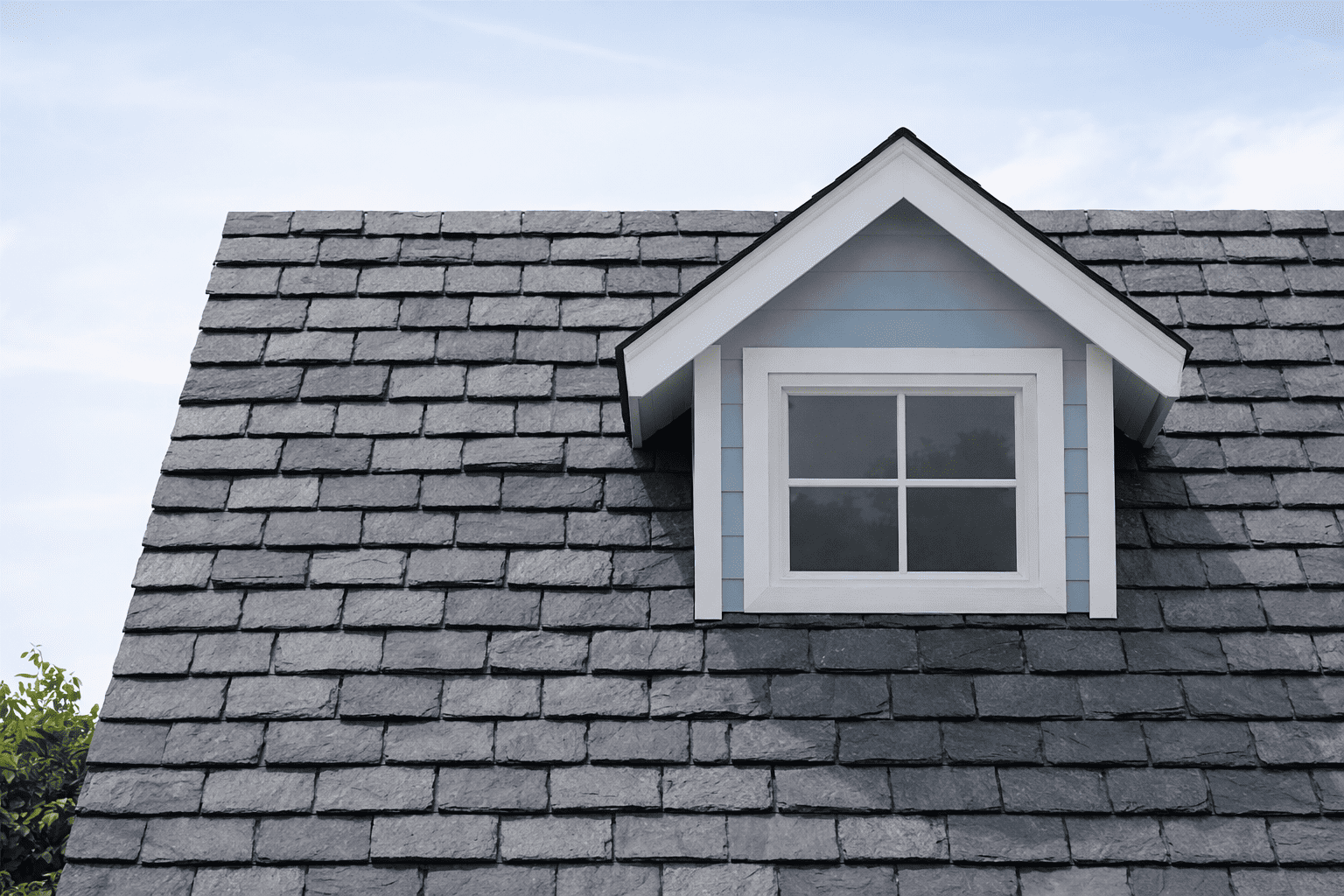
How Much Does a Slate Roof Cost?
-
TPO Roofing Cost
-
Attic Insulation Cost
-
How Much Does a Cedar Shake Roof Cost?
-
How Much Does it Cost to Repair a Roof?
-
How Much Does a Composite Roof Cost?
-

How Much Does It Cost to Replace a Flat Roof?
-
How Much Does a Tile Roof Cost?
-
Average Cost to Tear Off and Replace a Roof
-
How Much Does an Asphalt Shingle Roof Cost?
