



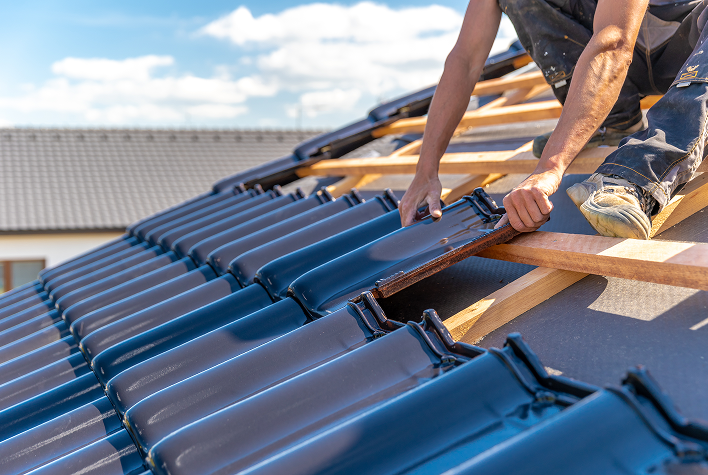
)
How We Calculated This Cost
HomeBuddy estimates roofing costs using real project pricing from completed residential roofing jobs, matched against the scope and details submitted in each project request. The estimates reflect roof repair, replacement, and storm damage projects, including differences in roof area, pitch, material, tear-off requirements, access, and underlying damage. Public pricing references are reviewed to confirm that published ranges remain consistent with current material and labor costs.
Expanded details
Data used: HomeBuddy project cost data, completed project costs, and residential project request details
Project scope: minor roof repairs, complete roof replacements, and replacements following storm or extreme-weather damage
Main cost factors: roof area, material type, roof pitch, existing roofing layers, tear-off and disposal requirements, site access, decking condition, and local labor costs
Location signals: ZIP, city, and state-level pricing patterns where available
Public references: used to confirm material and labor cost ranges and keep estimates aligned with current market conditions
Key Points
- Material and contractor tier drive most of the swing in price, from architectural shingles with a standard installer to premium materials with a GAF Master Elite–certified crew.
- New Jersey typically runs 10–20% above the national average for roofing, largely due to labor costs, code requirements, and older housing stock.
- State code caps roofing at two layers of shingles, so a home already carrying two layers needs a full tear-off, not an overlay.
- A rock-bottom quote often leaves out tear-off, ice-and-water shield, and permits — details covered in "What a Cheap Quote Often Leaves Out" below.
- Scheduling installation in spring or fall, and bundling gutter work into the same project, are two of the more reliable ways to trim the final bill.
Average Cost of a New Roof in New Jersey
A full roof replacement in New Jersey typically costs $12,000 – $28,000 for a standard 2,000-square-foot home with an architectural shingle system installed by a properly credentialed contractor. Where you land within that range depends mainly on home size, material choice, and the tier of contractor you hire — factors covered in detail below.
Why Roofing Costs More in New Jersey Than the National Average
The national average cost of a new roof for a standard-size home with architectural shingles typically runs $10,000–$16,000. New Jersey typically prices 10–20% above that range, and three factors explain most of the gap.
Labor is the biggest piece. New Jersey's cost of living pushes wages higher across every trade, and roofing contractors also carry licensing and insurance requirements that add to overhead — costs that get built into every quote. For a broader look at how labor and materials combine nationally, HomeBuddy's general roof replacement cost guide breaks down the underlying cost drivers in more depth.
Building codes add a second layer. New Jersey requires ice-and-water shield, synthetic underlayment, and wind-rated materials on most homes — not as optional upgrades, but as structural necessities suited to the state's nor'easters, coastal wind, and freeze-thaw cycles. Permits and inspections tied to that process add cost that homeowners in milder climates may not see.
Older housing stock is the third factor. Many New Jersey homes were built decades before current code, and tear-off frequently uncovers decking or ventilation problems that a newer build wouldn't have — issues a contractor has to price into the job once they're found.
Roof Cost by Material
Architectural asphalt shingles are the most common roofing material across New Jersey, chosen for a balance of cost, durability, and wind resistance that suits most of the state's homes. Coastal and shore properties, though, often need an upgraded wind-rated version of whichever material family a homeowner picks, since standard-rated shingles aren't built for sustained coastal gusts.
| Material | Cost per Sq Ft | Total (2,000 Sq Ft) |
|---|---|---|
| 3-tab asphalt shingles | $4–$7 | $8,000–$14,000 |
| Architectural asphalt shingles | $9–$15 | $14,000–$30,000 |
| Premium/designer shingles | $12–$18 | $24,000–$36,000 |
| Metal (standing seam or exposed fastener) | $10–$20 | $20,000–$40,000+ |
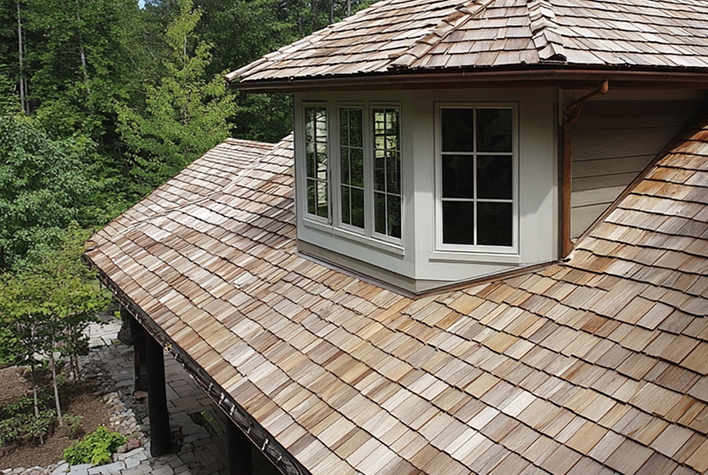
| Cedar/wood shakes | $10–$18 | $20,000–$36,000 |
| Clay or concrete tile | $9–$25 | $18,000–$50,000+ |
| Natural slate | $10–$30+ | $20,000–$70,000+ |
Three-tab shingles sit at the entry point of the range and cover the basics, but most New Jersey homeowners upgrade to architectural shingles for the longer lifespan and better wind rating — a meaningful difference in a state that sees regular coastal storms. Premium and designer shingle lines add dimensional styling and extended warranties without moving into the price territory of metal or tile.
Metal roofing spans a wide range depending on panel style and gauge, and its resistance to wind and ice makes it a strong fit for shore towns specifically. Cedar shakes and clay or concrete tile carry higher material and labor costs tied to weight and installation complexity, and natural slate — the most expensive option on this list — is typically reserved for historic homes or owners prioritizing a multi-generation lifespan over upfront cost.
Roof Cost by Region in New Jersey
Pricing for the same architectural shingle roof shifts meaningfully depending on where in New Jersey the home sits.
| Region | Typical Cost |
|---|---|
| North Jersey (Bergen, Essex, Hudson — including Jersey City/Hoboken/Newark) | $18,000–$28,000 |
| Central Jersey (Middlesex, Monmouth, Mercer) | $14,000–$25,000 |
| South Jersey (Camden, Cherry Hill area) | $13,500–$23,500 |
| Jersey Shore towns (Atlantic City, Toms River/Brick) | $14,500–$25,500 |
Among the areas compared here, North Jersey tends to run highest. Dense housing, tight jobsite access in cities like Jersey City and Hoboken, and strong local demand for skilled labor all push prices up. Central Jersey lands in the upper-middle of the statewide range, reflecting a mix of suburban and higher-density housing.
South Jersey, particularly around Camden and Cherry Hill, tends to price lowest among these regions — lower housing density and easier jobsite access both help keep labor costs down. Jersey Shore towns carry a premium relative to South Jersey despite being geographically close, driven by wind-rating and moisture-resistance requirements tied to coastal exposure rather than by labor availability alone.
What a Cheap Quote Often Leaves Out
A $9,000 quote and an $18,000 quote for the "same" architectural shingle roof usually aren't pricing the same job. A stripped-down bid often covers just the shingles and basic labor, leaving out full tear-off and disposal, ice-and-water shield, upgraded synthetic underlayment, new flashing, decking repairs where needed, and the permits required for a legal installation. Workmanship coverage on that kind of quote is often limited to a year or two.
A properly scoped quote from a well-credentialed contractor includes all of the above, plus a workmanship warranty that runs considerably longer and a manufacturer-backed material warranty that only certified installers can offer. Fewer than 3% of roofing contractors nationwide hold GAF Master Elite certification, the highest manufacturer-backed tier — one concrete way to gauge whether a contractor sits in that upper tier before comparing dollar figures.
The gap between the two quotes isn't padding. It's the difference between a roof that's sealed against ice dams and wind-driven rain and one that technically covers the house but skips the details that keep water out over the next 20 years. Comparing quotes item by item, not just by the bottom-line number, is the only way to know which one you're actually getting.
Permits and Roofing Codes in New Jersey
New Jersey generally requires a permit for a full roof replacement, since it counts as structural work under the state's building code. Permit fees typically run $65–$500 depending on the municipality and the scope of the project, and a roof inspection, when required, typically adds $100–$320.
Minor repairs affecting a small share of the roof may not require a permit at all, though homeowners should confirm requirements with their local building department before starting work.
One rule catches a lot of homeowners off guard: New Jersey allows a maximum of two layers of roofing shingles. If a home already has two layers on it, a third can't legally go on top — the existing layers have to come off first, which means a full tear-off is required regardless of the material chosen for the new roof.
Homes built before 1970 may also contain asbestos in older roofing materials; if it's found during tear-off, removal typically runs $1,200–$3,200 and work pauses until it's addressed.
Repair or Replace?
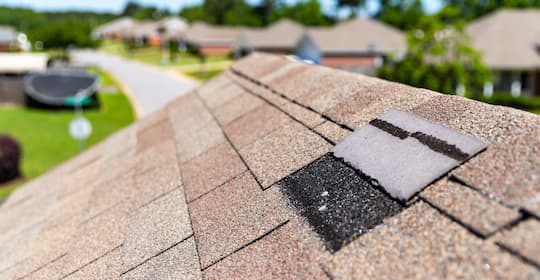
A repair is often the right call for a roof that's relatively new and dealing with localized damage — a handful of missing shingles after a windstorm, for example, or a small leak around a vent. In those cases, patching the affected area extends the roof's life without the cost of a full replacement.
Replacement becomes the stronger investment once a roof approaches or passes the 15–20 year mark, or once damage is spread across a large share of the surface rather than confined to one spot. Age and wear compound: a roof nearing the end of its lifespan is more likely to develop new problems shortly after a repair is finished.
One warning sign worth watching for: if a contractor finds rotted decking while making what was supposed to be a simple repair, that's often a signal the roof underneath is further along than it looked, and full replacement may be the more practical path forward.
How to Save on Roof Replacement and Best Time to Install
Choosing a Roofing Contractor in New Jersey
Frequently Asked Questions
How much does it cost to replace a roof on a 2,000 sq ft home in New Jersey?
Replacing a roof on a 2,000-square-foot New Jersey home typically costs $12,000–$28,000 with a full architectural shingle system, averaging around $18,000. The exact number depends on material choice, roof complexity, and the contractor's certification tier.
Do I need a permit to replace a roof in New Jersey?
Permits are generally required for a full roof replacement in New Jersey, since the work counts as structural. Fees typically run $65–$500 depending on the municipality, though minor repairs affecting a small area may not require one.
How many layers of roofing are allowed in New Jersey?
Two layers of shingles is the maximum New Jersey code allows. A third layer isn't permitted, so once a roof already has two layers, a full tear-off is required before installing a new one.
Is it better to repair or replace an aging roof?
Repair is usually sufficient for a newer roof with localized damage, like a few missing shingles. Replacement becomes the stronger option once a roof passes 15–20 years old, or when damage is widespread.
Does homeowners insurance cover roof replacement?
Coverage generally applies to sudden damage from storms, wind, or hail — not gradual wear and tear from age. Filing a claim promptly after a storm improves the odds it's classified as covered damage rather than wear and tear.
What's the best time of year to replace a roof in New Jersey?
Spring and fall tend to offer the mildest installation conditions in New Jersey. Experienced contractors can still install roofs in other seasons when weather allows, but scheduling around milder months often means smoother installation and more contractor availability.
A New Jersey roof replacement typically lands between $12,000 and $28,000 for a standard 2,000-square-foot home, with labor rates and code requirements — not material choice alone — driving most of the premium over national pricing. Getting an itemized quote from a properly credentialed contractor is the clearest way to know what's actually included before signing. Ready to get pricing for your own home? Compare roofing contractors near you and start collecting quotes.
-
-
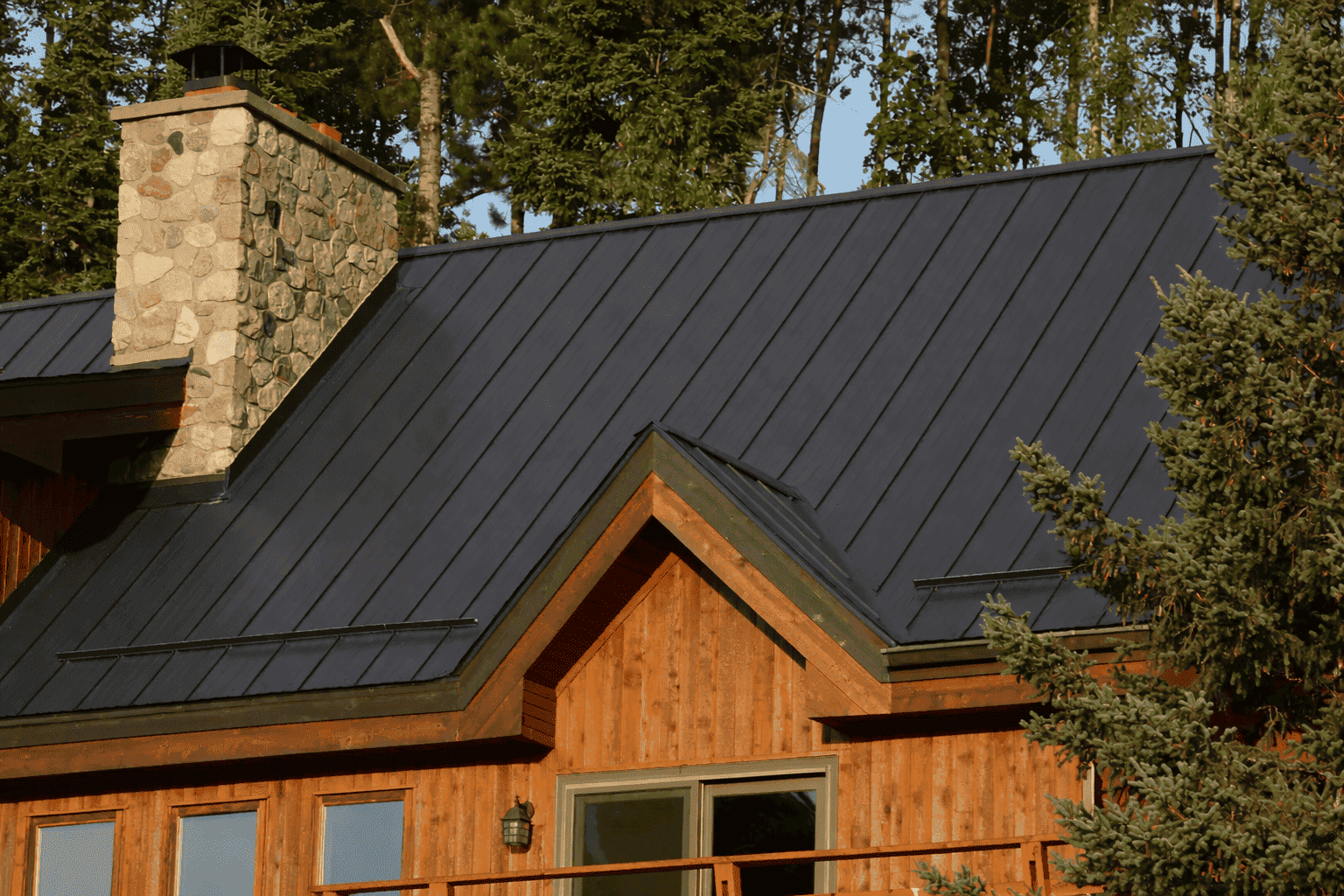
How Much Does a Standing Seam Metal Roof Cost?
-

How Much Does a Metal Roofing Cost?
-
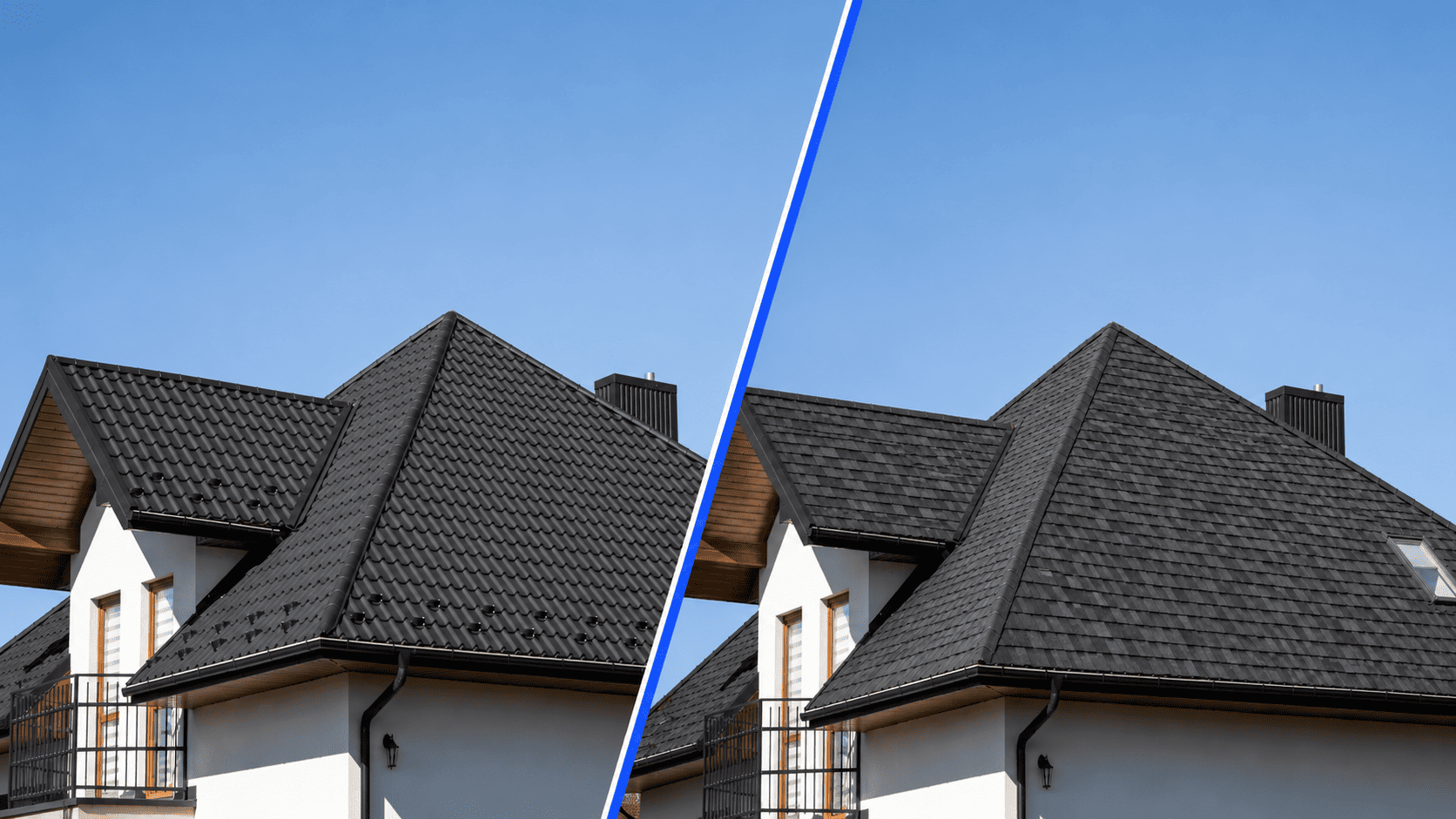
Cost of Metal Roof vs Shingles
-
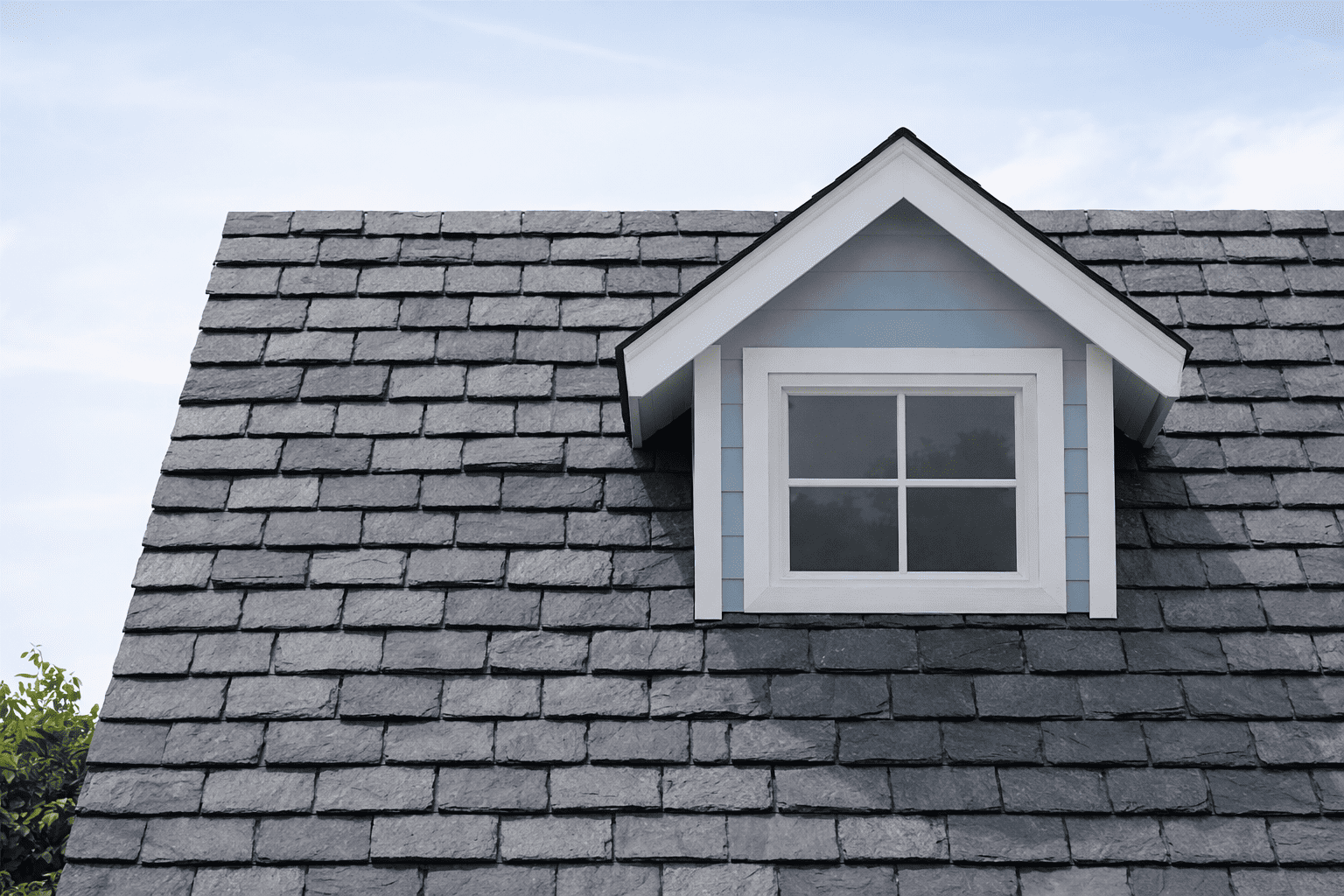
How Much Does a Slate Roof Cost?
-
TPO Roofing Cost
-
Attic Insulation Cost
-
How Much Does a Cedar Shake Roof Cost?
-
How Much Does it Cost to Repair a Roof?
-
How Much Does a Composite Roof Cost?
-

How Much Does It Cost to Replace a Flat Roof?
-
How Much Does a Tile Roof Cost?
-
Average Cost to Tear Off and Replace a Roof
-
How Much Does an Asphalt Shingle Roof Cost?
