





)
How We Calculated This Cost
HomeBuddy estimates HVAC costs using real project pricing from completed residential HVAC installations and replacements, matched against the scope and details submitted in each project request. Estimates reflect differences in system type, equipment size, efficiency ratings, home requirements, ductwork conditions, electrical needs, and installation complexity. Public pricing references are reviewed to confirm that published ranges remain consistent with current HVAC equipment and labor costs.
Expanded details
Data used: HomeBuddy project cost data, completed project costs, and residential project request details
Project scope: HVAC replacement and installation projects involving air conditioners, furnaces, heat pumps, ductless systems, and complete residential HVAC systems
Main cost factors: system type, equipment capacity, efficiency rating, home size, ductwork condition, electrical requirements, permits, installation complexity, and local labor costs
Location signals: ZIP, city, and state-level pricing patterns where available
Public references: used to confirm HVAC equipment and installation cost ranges and keep estimates aligned with current market conditions
Key Points
- Replacing a water heater can become more expensive when switching system types (for example, tank to tankless) due to electrical, gas, or venting upgrades.
- Choosing the wrong tank size can lead to higher energy bills or insufficient hot water, making proper sizing essential before replacement.
- Installation complexity often increases costs more than the unit itself, especially when plumbing, wiring, or code updates are required.
- Hidden expenses such as permits, disposal of the old heater, and emergency replacement fees can increase the total price.
Average Cost of Water Heater Replacement
Most homeowners spend about $1,900 to $9,000 to replace a water heater, though prices can range depending on the system and installation needs. Traditional tank heaters are usually cheaper, while tankless models cost more because of higher equipment prices and possible electrical, gas, or venting upgrades.
In many cases, installation complexity affects the price more than the unit itself. Plumbing changes, code updates, or emergency replacements can all push the increase the water heater replacement cost.
Main Factors That Affect Replacement Costs
Let’s take a look at the main factors that affect the hot water heater replacement price.
-
Type of Water Heater
- Water Heater TypeAverage Cost
- Natural Gas Water Heater$1,900 - $4,500
- Electric Water Heater$2,000 - $4,500
- Propane Water Heater$2,500 - $4,500
- Tankless Water Heater$3,500 - $6,000
The type of water heater you choose makes a big difference in cost. Traditional tank models are usually cheaper since the units cost less and installation is simple.
Tankless systems cost more upfront and may need gas, venting, or electrical upgrades, but they often last longer and run more efficiently.
- Natural gas water heater: A cost-effective option for homes with gas access, offering fast heating and lower operating costs compared to electric models.
- Electric water heater: Easier and cheaper to install than gas systems, best for smaller households or homes without gas lines.
- Propane water heater: Similar performance to natural gas but typically used in rural areas without gas service, often with slightly higher fuel costs.
- Tankless water heater: Higher upfront investment that provides endless hot water, energy efficiency, and longer lifespan compared to tank models.
Additional Cost Factors
In addition to unit and installation costs, a few overlooked factors can affect the average price to replace a water heater.
How to Save Money on Water Heater Replacement
Saving money on water heater replacement depends on choosing the right system and installation method.
Conclusion
The average cost to replace a water heater ranges from $1,900 to $9,000. What you actually end up paying depends on factors like the type, size, warranty, and labor.
Due to installation complexity, it’s recommended to hire a professional for the job. You can use HomeBuddy to match with an expert local contractor by only answering a few simple questions related to your project.
Frequently Asked Questions
How quickly can a water heater be replaced?
Most water heater replacements take 2 to 4 hours when swapping a unit with the same type and size in the same location. Installation can take longer, up to a full day, if upgrades to plumbing, electrical, or venting are required.
What is the lifespan of a water heater?
A traditional tank water heater typically lasts 8 to 12 years, while tankless systems can last 15 to 20 years or more. Lifespan depends on water quality, maintenance, and usage, with sediment buildup being a common cause of early failure.
Will I need a permit to replace my water heater?
In many areas, yes. Most municipalities require a permit to ensure the installation meets current safety and building codes. This often includes an inspection after installation to verify proper venting, pressure relief setup, and electrical or gas connections.
Can I install a water heater myself?
Technically, yes, but it’s not recommended unless you have plumbing and electrical experience. Improper installation can cause leaks, gas hazards, electrical issues, or code violations. Professional installation ensures safety, warranty protection, and compliance with local building requirements.
-
-
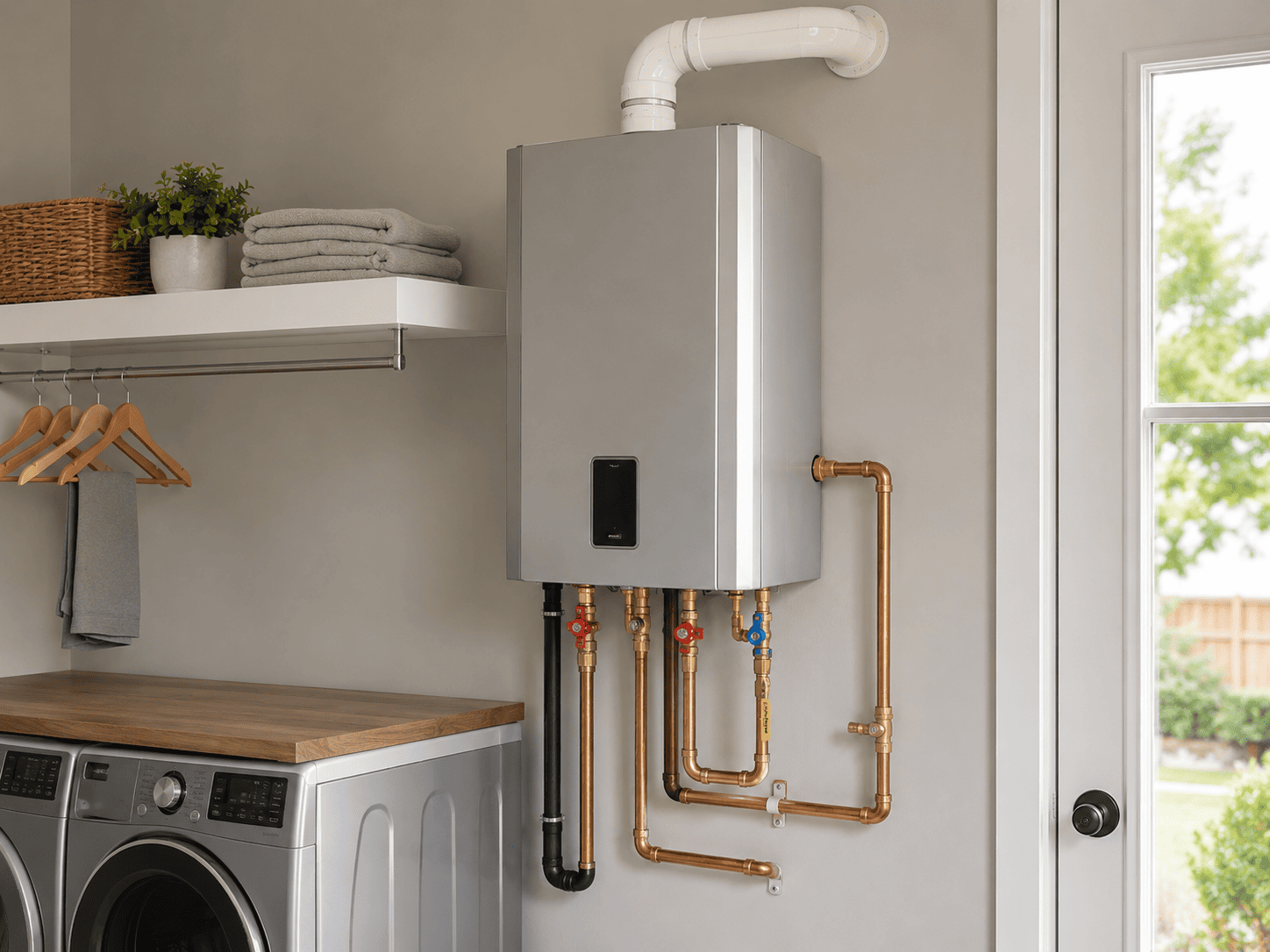
Tankless Water Heater Cost
-
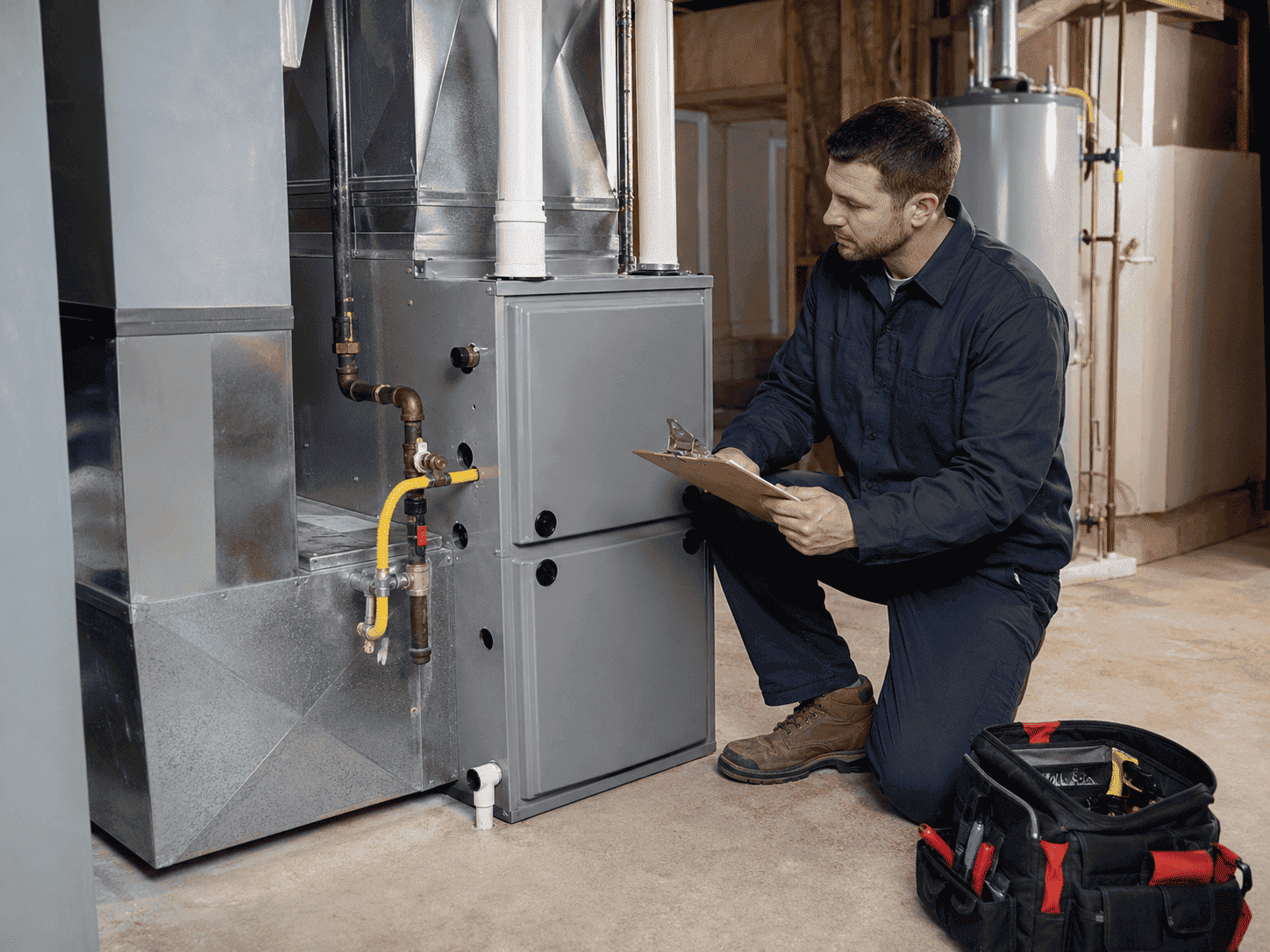
Average Cost to Install Gas Furnace
-

How Much Does a New Furnace Cost?
-
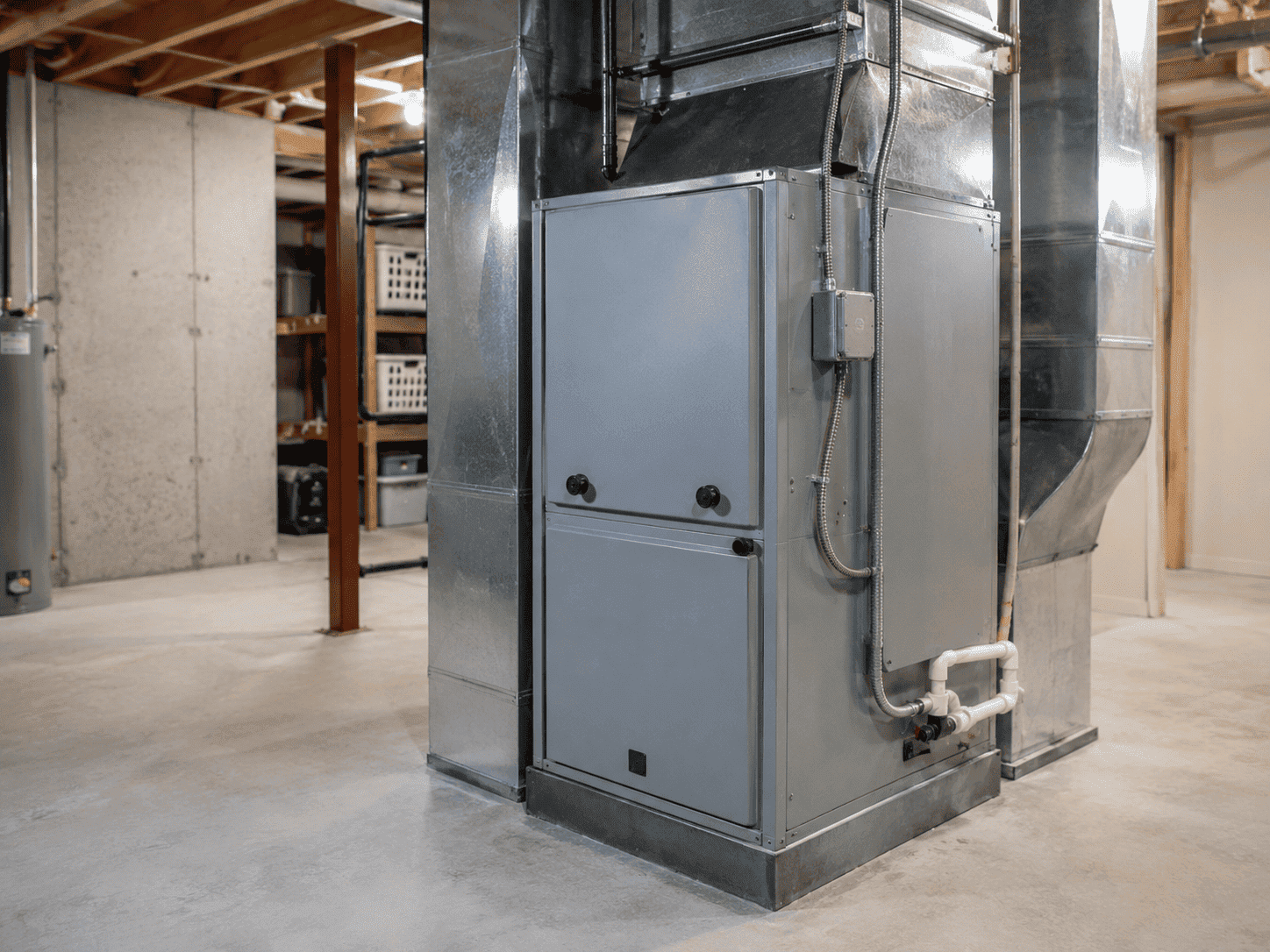
Cost of Electric Furnace
-
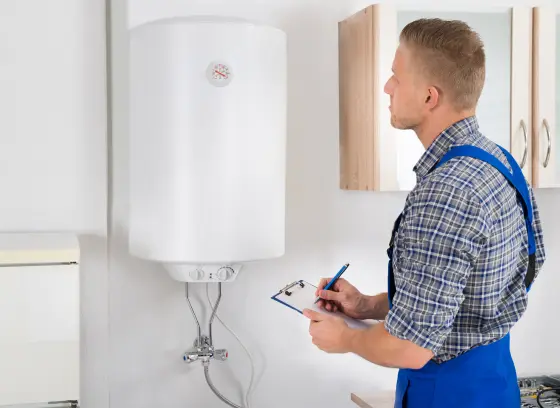
Boiler Replacement Cost
-

How Much Does It Cost to Replace an Air Conditioner
-
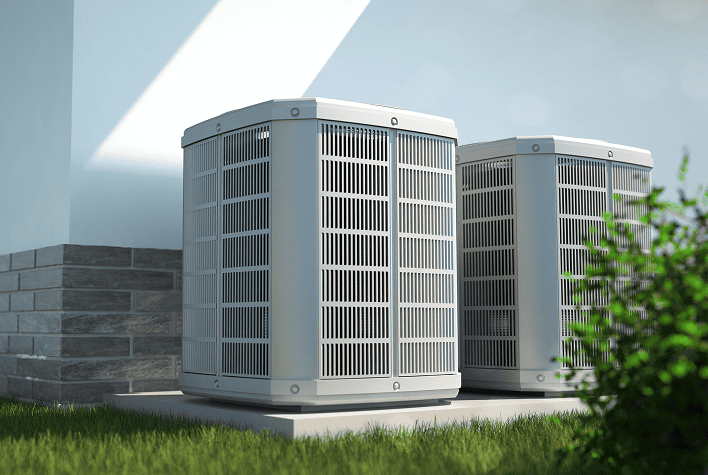
How Much Does a Heat Pump Cost
-
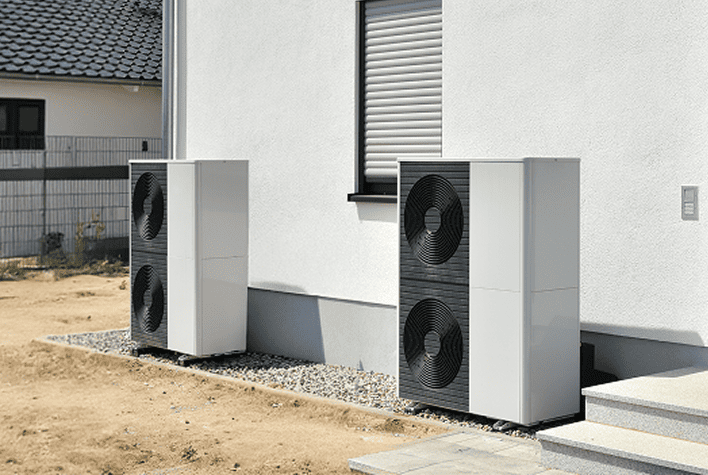
How Much Does a Ductless Heat Pump Cost
-
How Much Does It Cost to Replace a Radiator?
-

How Much Does a Geothermal Heat Pump Cost
-

How Much Does a New HVAC System Cost
