






)
How We Calculated This Cost
HomeBuddy estimates HVAC costs using real project pricing from completed residential HVAC installations and replacements, matched against the scope and details submitted in each project request. Estimates reflect differences in system type, equipment size, efficiency ratings, home requirements, ductwork conditions, electrical needs, and installation complexity. Public pricing references are reviewed to confirm that published ranges remain consistent with current HVAC equipment and labor costs.
Expanded details
Data used: HomeBuddy project cost data, completed project costs, and residential project request details
Project scope: HVAC replacement and installation projects involving air conditioners, furnaces, heat pumps, ductless systems, and complete residential HVAC systems
Main cost factors: system type, equipment capacity, efficiency rating, home size, ductwork condition, electrical requirements, permits, installation complexity, and local labor costs
Location signals: ZIP, city, and state-level pricing patterns where available
Public references: used to confirm HVAC equipment and installation cost ranges and keep estimates aligned with current market conditions
Key Points
- The average cost to install a furnace is about $4,800, but fuel type, home size, and location can significantly affect the price.
- Gas furnaces are the most popular choice — nearly 50% of U.S. homes use them — and offer the best balance of performance and long-term efficiency.
- High-efficiency furnaces (90%+ AFUE) cost more upfront but can cut heating bills by up to 30% annually, making them worth the investment in colder climates.
- Always factor in hidden costs: permits ($100–$500), old-unit removal ($50–$200), and potential ductwork upgrades ($300–$2,000+).
- Furnaces last 15–20 years on average — timing your replacement in advance (not in an emergency) gives you time to compare bids and avoid urgent decisions.
What You'll Actually Pay: Total Furnace Installation Cost
It’s better to understand the full picture before you call a contractor. The cost to replace a furnace breaks down into three parts: equipment, labor, and extras.
| Cost Category | Typical Range |
|---|---|
| Furnace unit (equipment) | $1,000–$5,000+ |
| Labor (installation) | $500–$2,000 |
| Permits | $100–$500 |
| Old furnace removal | $50–$200 |
| Ductwork modifications | $300–$2,000+ |
One practical piece of advice: ask your contractor to provide a cost estimate. Equipment costs and labor costs should be listed separately. If they won't break it down, that's a red flag.
The Key Factors That Drive Your Furnace Installation Cost
No two projects are the same. Let’s consider the biggest cost drivers.
Furnace Type — The Single Biggest Cost Variable
The fuel your furnace burns drives both the equipment price and the long-term operating cost:
| Furnace Type | Unit Cost | Total Installed (Typical) |
|---|---|---|
| Electric | $1,000–$2,500 | $1,600–$7,000 |
| Gas (natural) | $1,500–$5,000 | $3,800–$10,000 |
| Propane | $2,000–$4,000 | $3,500–$8,000 |
| Oil | $2,500–$4,500 | $6,750–$10,000 |
Electric furnaces have the lowest price and the simplest installation — no gas lines, no venting. The weak point is higher monthly operating costs in most regions. They're best suited to mild climates or homes without a gas line.
Gas furnaces are the most popular choice. About half of U.S. homeowners heat with natural gas. They heat faster, cost less per BTU, and the infrastructure is already in place for most homes. A natural gas furnace is usually more affordable to run and can reduce heating costs in colder climates.
Oil furnaces are most common in the Northeast, where gas infrastructure is less widespread. They're effective but expensive to run, and you'll need to plan fuel deliveries and tank storage.
Efficiency rating (AFUE) is another critical cost driver within each fuel type. An 80% AFUE gas furnace might cost up to 50% less than a 95%+ AFUE model. High-efficiency models can reduce annual heating bills by up to 30%, and many qualify for federal tax credits — worth checking before you buy.
Equipment and Materials
Beyond the furnace itself, keep in mind a few material costs:
Permits and Code Requirements
Most jurisdictions require a permit for furnace installation — and skipping it is a risk. Work done without a permit can void your homeowner's insurance, create problems when you sell the house, and hide safety issues. Plan on spending $100–$500 on permits, and make sure your licensed contractor obtains them for you.
Some older homes also need code upgrades before a new furnace can be installed legally, such as carbon monoxide detectors, electrical panel updates, or flue lining. These aren't optional, and a reputable contractor will include them in the quote.
Labor — Often 30–50% of the Total Bill
Labor costs for furnace installation run $50–$150 per hour for a licensed HVAC technician, and most standard jobs will take 4–10 hours. That puts labor in the $500–$2,000 range for a typical install. Complex jobs — tight access, existing ductwork complications, or system conversions — can increase labor costs.
A few factors that reliably increase labor costs:
Urban markets typically run 20–40% higher on labor than rural areas, simply due to the cost of living and demand.
Other Factors That Can Push the Price Up or Down
Beyond the basics, a few factors can significantly affect your final bill:
Repair vs. Replacement — How to Make the Call Without Guessing
When Repair Makes Sense
A repair is almost always the right call if:
A quick rule of thumb used widely in the HVAC industry: multiply the furnace's age by the repair cost. If the result is under $5,000, repair is probably the better financial call.
When Replacement Is the Smarter Investment
Replace when:
A 20-year-old furnace running at 60–70% AFUE is costing you hundreds of dollars every heating season just in efficiency losses, compared to a modern 95%+ unit.
Frequently Asked Questions
What is the lifespan of a furnace?
A well-maintained gas furnace typically lasts 15–20 years. Electric furnaces tend to last longer, 20–30 years on average. Oil furnaces, with their steel heat exchangers, can reach 30+ years. These lifespans assume annual professional service and regular filter changes.
Is replacing a 30-year-old furnace a good idea?
Yes — almost certainly. A 30-year-old furnace is likely operating at 60% efficiency or below, versus 95%+ for a modern high-efficiency model. On a $1,500 annual heating bill, that efficiency gap costs roughly $520–$560 per year in wasted energy. Beyond the financial case, older furnaces — especially those with aged heat exchangers — carry real carbon monoxide risks. The safety argument alone makes replacement reasonable.
What is the cost of a new furnace for a 2,000 sq ft home?
For a 2,000 sq ft home, you'll typically need 60,000–100,000 BTUs of heating capacity, depending on your climate. A standard gas furnace installation for a home this size generally runs $3,800–$7,000 in moderate climates, and up to $6,000–$10,000 in colder states like Minnesota, Ohio, or New York, where you need more powerful units.
Do you need a professional, or can you install a furnace yourself?
You technically can install a furnace yourself in some jurisdictions — but in many places, it’s illegal without a license. Furnace installation involves gas line connections, electrical work, venting, and code compliance — all of which carry serious safety risks if done incorrectly. Plus, it can void the manufacturer's warranty, fail a home inspection, and create carbon monoxide hazards. Most building departments require permits that are only issued to licensed contractors.
How can you maintain a furnace?
The most important thing you can do is change the filter regularly — every 1–3 months, depending on the filter type and your household. Beyond that:
- Schedule annual professional tune-ups, ideally in early fall before heating season
- Keep vents and registers clear of furniture and rugs
- Check that the area around the furnace is clear of combustibles
- Test your carbon monoxide detectors every month
- Listen for new noises — catching a small issue early prevents a big repair
Does installing a new furnace increase your home's value?
Yes, a new furnace is an attractive feature for potential buyers. It signals that a major home system is updated, reliable, and energy-efficient. While you may not recoup the entire furnace installation cost, it can add several thousand dollars to your home's value and make it more marketable.
Conclusion
Furnace installation costs depend on the fuel type, efficiency rating, home size, and local labor rates. Choose the right AFUE rating for your climate, time your purchase in the off-season, and get at least three quotes before committing.
Ready to connect with a licensed HVAC contractor in your area? HomeBuddy matches homeowners with pre-screened, verified local professionals — so you can compare real bids from trusted contractors without spending hours searching on your own.
-
-
How Much Does It Cost to Replace a Water Heater?
-
Tankless Water Heater Cost
-
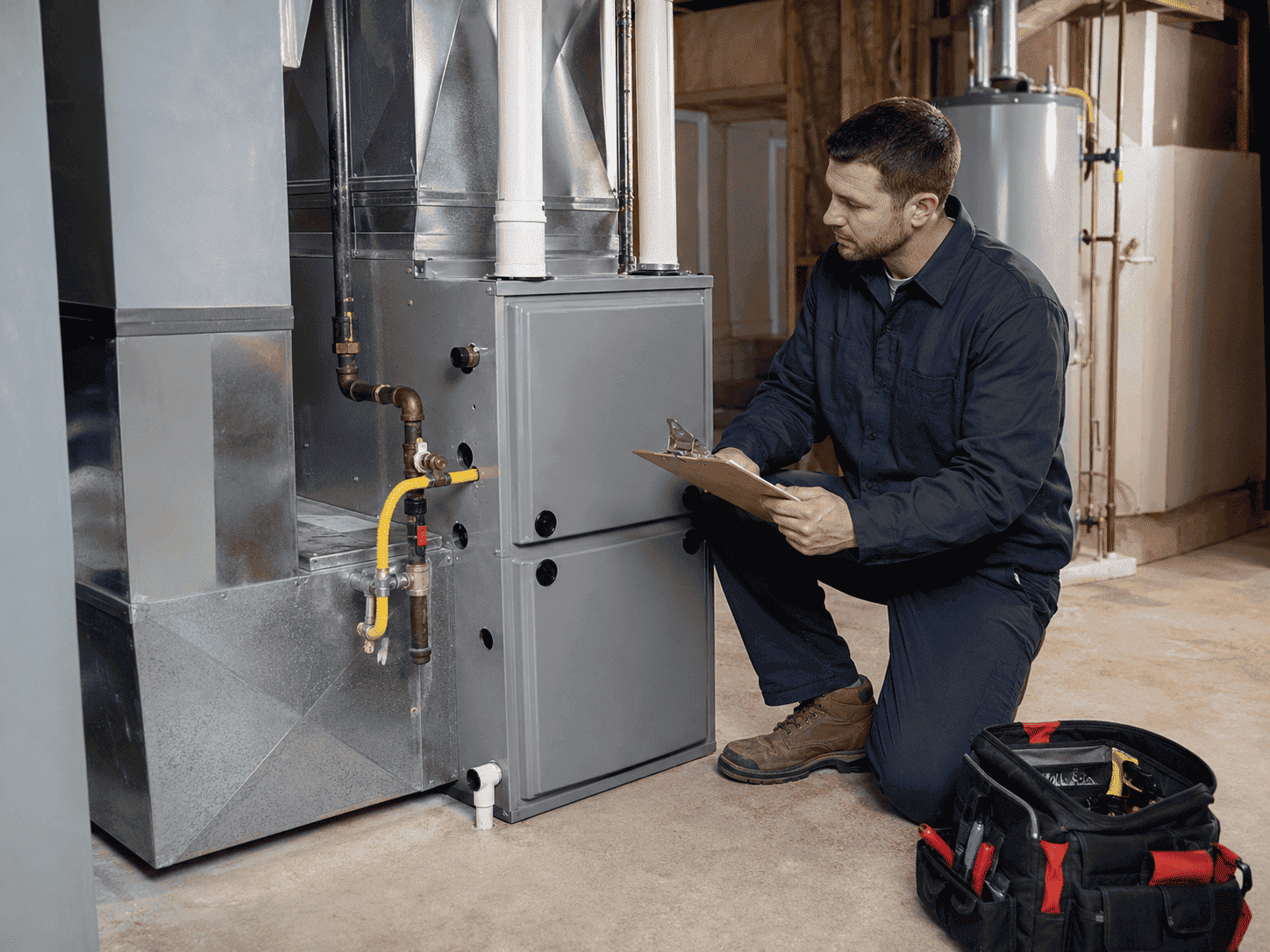
Average Cost to Install Gas Furnace
-
Cost of Electric Furnace
-
Boiler Replacement Cost
-

How Much Does It Cost to Replace an Air Conditioner
-
How Much Does a Heat Pump Cost
-
How Much Does a Ductless Heat Pump Cost
-
How Much Does It Cost to Replace a Radiator?
-

How Much Does a Geothermal Heat Pump Cost
-

How Much Does a New HVAC System Cost
