

)
How We Calculated This Cost
HomeBuddy estimates basement waterproofing costs using real project pricing from completed residential waterproofing projects, matched against the scope and details submitted in each project request. Estimates reflect differences in waterproofing methods, basement conditions, drainage requirements, moisture issues, foundation concerns, and project complexity. Public pricing references are reviewed to confirm that published ranges remain consistent with current waterproofing materials and labor costs.
Expanded details
Data used: HomeBuddy project cost data, completed project costs, and residential project request details
Project scope: interior and exterior basement waterproofing, drainage solutions, moisture control projects, and related basement protection work
Main cost factors: waterproofing method, basement size, water intrusion severity, drainage requirements, foundation condition, excavation needs, materials, access, and local labor costs
Location signals: ZIP, city, and state-level pricing patterns where available
Public references: used to confirm waterproofing material and installation cost ranges and keep estimates aligned with current market conditions
Key Points
-
The waterproofing method you need, from crack injection to full exterior excavation, is the single biggest factor in your final price.
-
Virginia Beach's tidal groundwater and sandy soil push more homes toward interior systems that manage water once it's already inside.
-
Exterior work that changes grading or adds a drainage discharge point typically requires a city permit; most interior repairs don't.
-
Standard homeowners insurance typically won't cover basement water damage from seepage, since insurers treat it as a maintenance issue rather than a covered peril.
-
A dry, properly waterproofed basement adds real usable living space value and removes a red flag for future buyers.
Average Basement Waterproofing Cost in Virginia Beach
Most Virginia Beach basement waterproofing jobs land between $5,000 and $15,000. That range is driven mainly by the method used:
Because none of these require excavating around the foundation, they tend to fall toward the lower to middle part of the range.
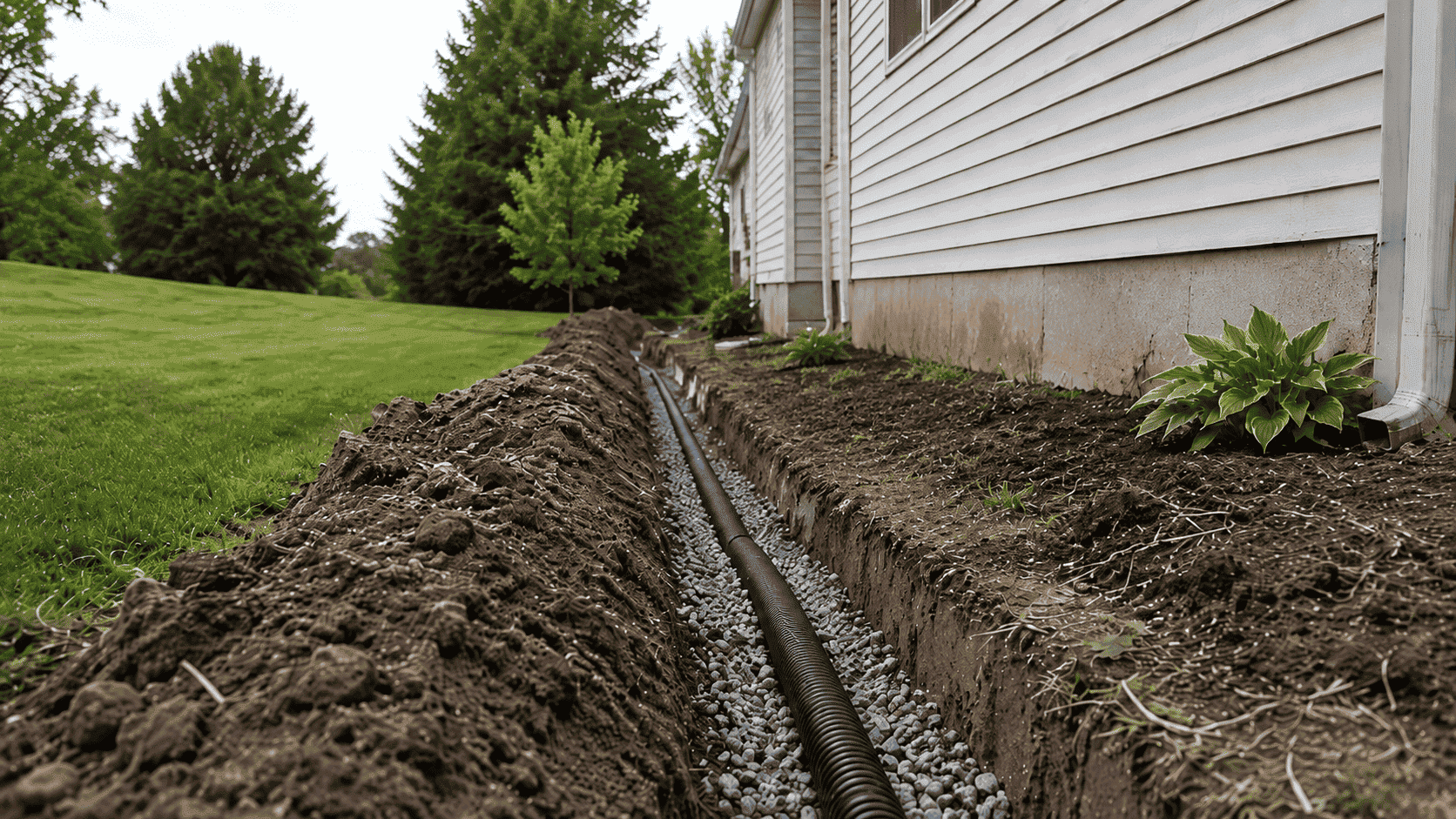
Exterior work is a different story. Digging down to the foundation wall and installing a membrane is the most effective long-term fix, but it's also the most labor-intensive, especially on a coastal lot where the crew has to manage groundwater while they dig. That added complexity is why exterior excavation can run notably higher, sometimes exceeding $30,000, on properties where Virginia Beach's high water table makes the job harder from the start.
Why Virginia Beach Basements Face Constant Water Pressure
Virginia Beach basements deal with pressure from several directions at once, driven by the area's geography, soil, climate, and storm exposure.
Cost by Waterproofing Method
The right method depends on where the water is coming from and how much of it you're dealing with. A single active crack calls for a very different fix than a wall that seeps every time it rains.
| Method | What It Addresses | Typical Cost |
|---|---|---|
| Crack injection | Isolated active cracks | $250–$800 per crack, occasionally up to $1,300 for larger cracks |
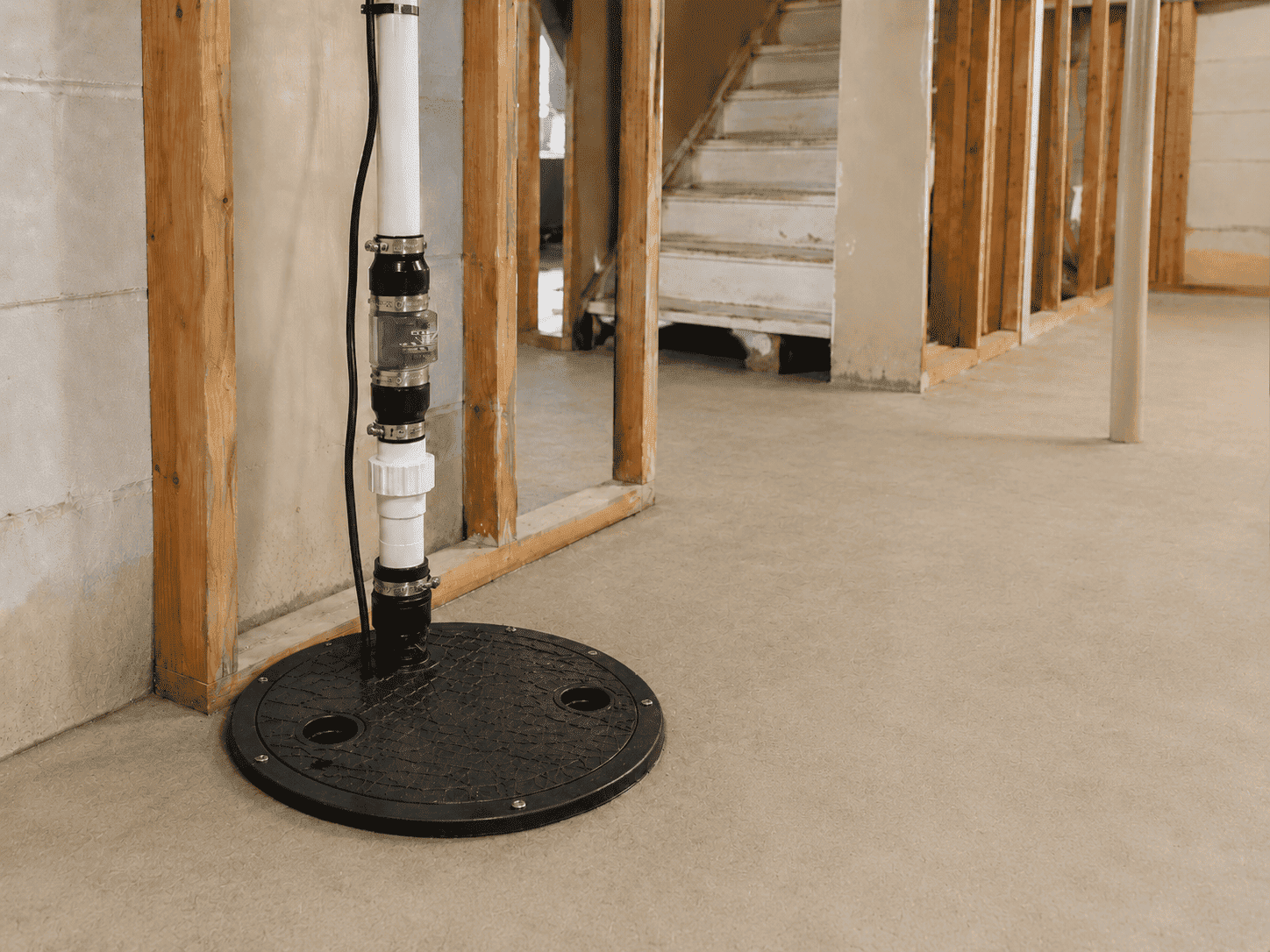
| Sump pump installation | Removing water that reaches a sump pit | $800–$3,500 |
| Interior drain system with sump pump | Common seepage along walls or the cove joint | $4,500–$11,000 for a typical basement |
| Exterior excavation and membrane | Severe or recurring water intrusion | $8,000–$30,000, occasionally more on high-water-table coastal lots |
Most homes dealing with common seepage along a wall or the cove joint are well served by an interior drain system paired with a sump pump. It's a proven fix for the kind of gradual water intrusion that shows up after storms, without the cost or disruption of digging around the foundation.
Exterior excavation sits at the other end of the spectrum. It's the most expensive option, and Virginia Beach's high water table makes the work more involved than it would be in a drier region, but it's also the most permanent fix available. Contractors typically reserve it for basements with severe or recurring water problems that interior methods haven't solved.
Cost Differences Across Virginia Beach Neighborhoods
Where a home sits in Virginia Beach can shift the picture, even among the neighborhoods discussed here:
Permits and Stormwater Rules in Virginia Beach
Whether you need a permit comes down to what the work actually changes. Exterior projects that alter grading or add a new drainage discharge point typically require a permit from the city, since that work affects how water moves across a property and, potentially, onto a neighbor's. Interior-only work, like crack injection or connecting a drain system to an existing sump pump, often doesn't trigger the same requirement.
Virginia Beach's stormwater management rules also govern how and where sump pump discharge water can be routed on a property. These rules exist to keep discharge from creating problems elsewhere, and they can affect where a contractor is allowed to run a discharge line. It's worth confirming the specifics with a licensed local contractor before work begins, since requirements can vary by property and project scope.
Does Insurance Cover It?
Coverage here depends heavily on how the water got in. Standard homeowners insurance typically doesn't cover basement water damage from groundwater seepage or general moisture intrusion, because insurers treat that kind of gradual water entry as a maintenance issue rather than a covered peril.
Damage from a sudden, specific event, like a burst pipe, falls into a different category and is more likely to be covered. The line between the two isn't always obvious from the homeowner's side, so it's worth confirming exactly what a specific policy covers before assuming either way.
Is Basement Waterproofing Worth It?
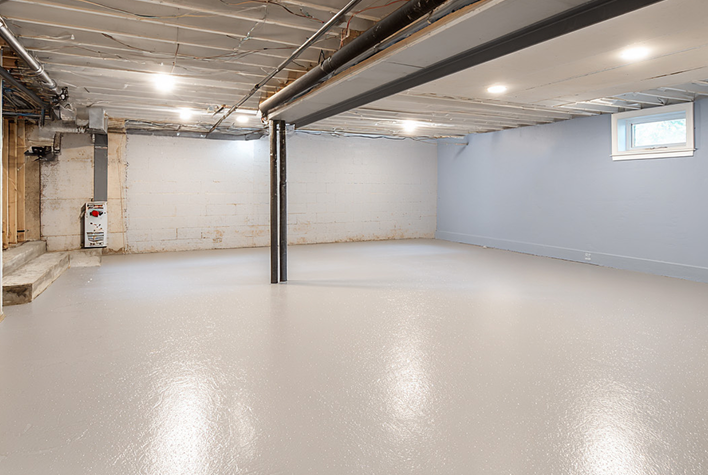
For most homeowners, the answer comes down to what a wet basement costs beyond the repair itself. A dry, properly waterproofed basement typically adds meaningful usable living space value to a home, whether that space becomes storage, a workshop, or a finished room down the line.
The flip side matters just as much. Ongoing moisture and mold issues tend to complicate a future sale, since they raise questions for buyers and their inspectors that a seller would rather not be answering at closing. Fixing the problem now tends to be simpler than negotiating around it later.
Frequently Asked Questions
How much does basement waterproofing cost in Virginia Beach?
Basement waterproofing in Virginia Beach typically costs $5,000 to $15,000 for a standard interior system, though minor isolated repairs can run as low as $250 to $1,000. Exterior excavation work costs more, sometimes exceeding $30,000 on high-water-table coastal lots.
Do I need a permit for basement waterproofing in Virginia Beach?
Permit requirements depend on the scope of the work. Exterior projects that change grading or add a drainage discharge point typically need a city permit, while interior-only repairs like crack injection usually don't.
Is interior or exterior waterproofing better for a Virginia Beach home?
Interior and exterior waterproofing solve different problems, and most Virginia Beach basements with common seepage are better served by interior systems, which cost less than digging around the foundation. Exterior excavation is more permanent but is typically reserved for severe or recurring water problems that interior fixes haven't resolved.
Does homeowners insurance cover basement water damage?
Homeowners insurance usually excludes basement water damage from groundwater seepage, since that's treated as a maintenance issue rather than a covered peril. Damage from a sudden event like a burst pipe is more likely to qualify for coverage.
How long does basement waterproofing take?
Project timelines vary with the method chosen. Crack injection and sump pump work are usually finished in a single visit, while a full interior drain system or exterior excavation takes longer since more of the foundation is involved.
Most Virginia Beach homes with an actual basement will spend somewhere between $5,000 and $15,000 on waterproofing, with the coastal water table and sandy soil largely deciding whether an interior fix is enough or exterior work becomes necessary. Getting quotes from more than one local pro is the best way to find out which category your home falls into. You can compare basement waterproofing contractors near you to get started.