



)
How We Calculated This Cost
HomeBuddy estimates basement waterproofing costs using real project pricing from completed residential waterproofing projects, matched against the scope and details submitted in each project request. Estimates reflect differences in waterproofing methods, basement conditions, drainage requirements, moisture issues, foundation concerns, and project complexity. Public pricing references are reviewed to confirm that published ranges remain consistent with current waterproofing materials and labor costs.
Expanded details
Data used: HomeBuddy project cost data, completed project costs, and residential project request details
Project scope: interior and exterior basement waterproofing, drainage solutions, moisture control projects, and related basement protection work
Main cost factors: waterproofing method, basement size, water intrusion severity, drainage requirements, foundation condition, excavation needs, materials, access, and local labor costs
Location signals: ZIP, city, and state-level pricing patterns where available
Public references: used to confirm waterproofing material and installation cost ranges and keep estimates aligned with current market conditions
Key Points
- Most homeowners pay $1,650–$12,250 for a professionally installed French drain, depending on type, length, and depth.
- Trench depth, soil conditions, and whether you need a sump pump or dry well are the biggest cost drivers.
- Interior foundation drains cost significantly more than exterior yard drains due to concrete removal and waterproofing.
- A correctly installed French drain lasts 30–40+ years and can prevent costly foundation repairs.
- Check local permit requirements before starting, and always call 811 to avoid hitting underground utility lines.
Average Cost of a French Drain Installation in 2026
The price per linear foot is the most accurate metric for estimating French drain costs, typically ranging from $10–$50 per linear foot for a standard exterior system, with an average total project cost of $5,000.
Cost scales with the total length of the trench, though many contractors offer per-foot discounts on larger jobs — a 300-foot agricultural drain often costs less per foot than a complex 30-foot residential install squeezed between property lines.
The table below gives you a quick reference for the most common French drain types and their installed price ranges.
| Drain Type | Cost per Linear Foot |
|---|---|
| Curtain drain (shallow exterior) | $10–$35 |
| Exterior perimeter / weeping tile | $25–$65 |
| Yard/surface trench drain | $10–$35 |
| Interior basement French drain | $40–$100 |
| Crawl space French drain | $40–$85 |
These figures include labor, materials, and basic excavation. Add-ons like sump pumps, landscaping repair, and permits can increase the final price.
French Drain Cost Breakdown: What You're Actually Paying For
The total bill isn't just pipe and gravel. French drain installation involves multiple factors, each of which can affect the final cost significantly. Here are the biggest ones.
Choosing Your Drain Type: How Drain Style Changes the Final Cost
Not every drain system solves the same problem. Your choice should match the source of water issues. Otherwise, you risk spending money without resolving the problem.
Interior Basement French Drains: Highest Cost, Strongest Protection
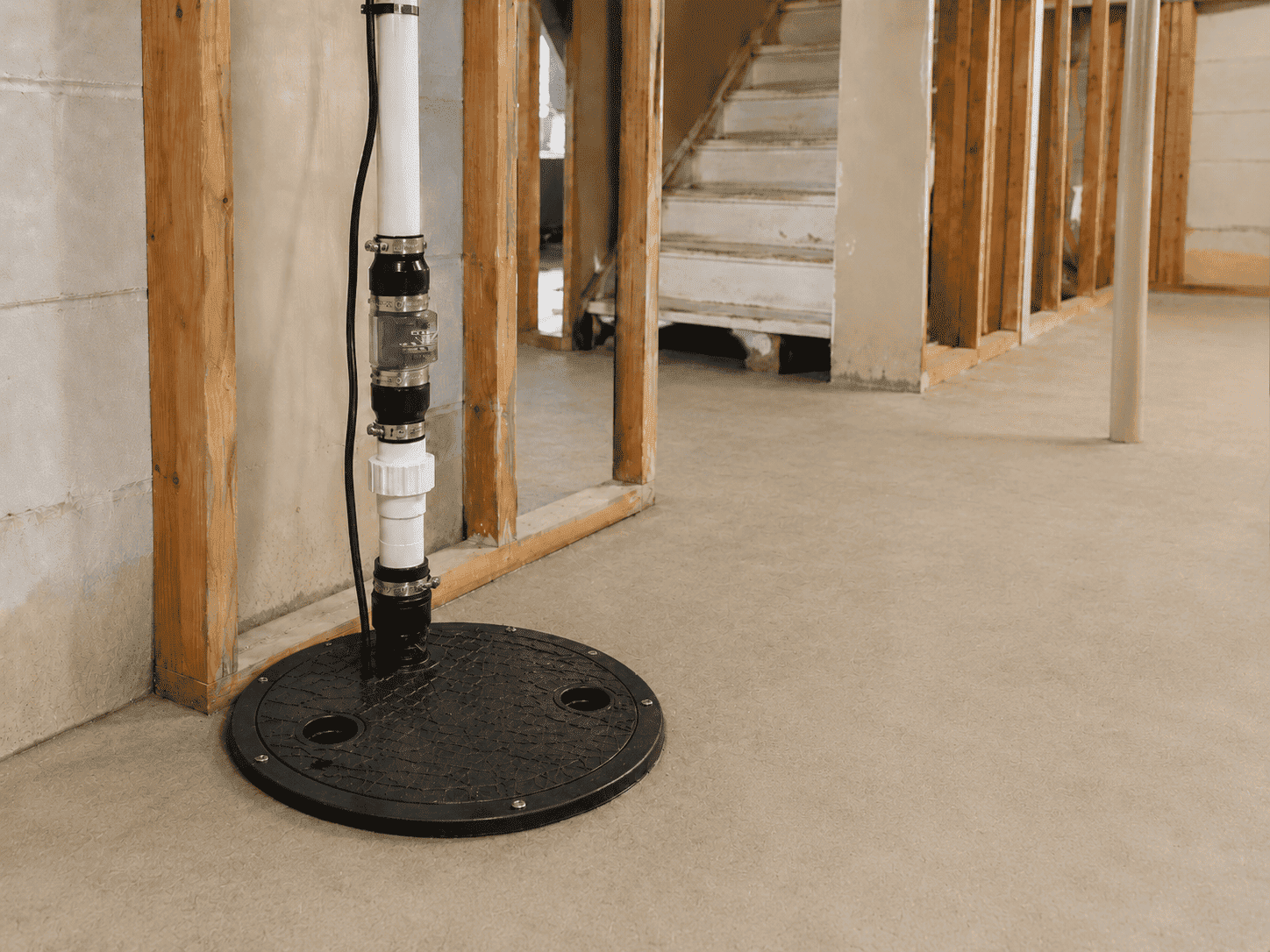
Interior drains are installed inside the basement, below the concrete floor, around the perimeter of the foundation. They're the go-to solution for chronic basement water intrusion — water that seeps in through the walls or floor, regardless of what you do outside.
Interior basement systems are the most expensive type. Expect to pay $40–$100 per linear foot. Most basements need 100–150 linear feet of drain to cover the perimeter. The cost includes:
Basement waterproofing projects that combine interior French drains with wall sealants and sump pumps can reach $6,000–$18,000 for a whole project.
Exterior Perimeter French Drains: Proactive Foundation Protection
Exterior perimeter drains wrap around the outside of the foundation, intercepting groundwater before it ever reaches the wall. They're ideally installed during new construction, when the foundation is already exposed — retrofitting them to an existing home requires excavating down to the footing, which is expensive and disruptive. Expect to pay $25 – $65 per linear foot for exterior perimeter systems on existing homes. When done right, these systems can eliminate basement moisture at the source rather than managing it after the fact.
Yard and Curtain Drain Systems: The Budget-Friendly Option
Yard drains and curtain drains — installed across the slope of a yard to intercept surface runoff before it reaches structures — are the most affordable French drain type. They typically cost $10 – $35 per linear foot. These are ideal for homeowners dealing with soggy lawns, pooling near a driveway, or runoff from a neighbor's property. They don't address basement moisture, but are highly effective at managing surface water drainage problems.
DIY vs. Professional Installation: An Honest Comparison
As labor is the biggest part of the French drain project, many homeowners consider doing the work or at least a part of it themselves. While it is possible to build a functioning drainage system on your own, you should consider some hidden risks.
How to Save Money on French Drain Installation Without Cutting Corners
Smart planning can shorten the trench length needed, reduce labor time, and avoid costly extras. Here are practical ways to reduce your costs:
Long-Term Value and Maintenance Costs
A properly installed French drain lasts 30–40 years, making it one of the most durable drainage solutions available. Systems that include a sump pump may need pump service or replacement within 10 years at $500–$1,800.
Maintenance is minimal but important. The key tasks are:
From a home value standpoint, a functional drainage system protects the foundation, and foundation repairs cost $250–$800 per crack for minor issues and up to $20,000+ for major push pier repairs. Preventing even one significant water damage event easily pays back the full installation cost. Homes with documented drainage solutions also tend to show better during inspections, which can support resale value in wet-climate markets.
Bottom line
A French drain is a practical, long-lasting investment that pays for itself by preventing water damage that can cost tens of thousands to repair. Whether you're dealing with a soggy backyard or a wet basement, the right system installed correctly will protect your home for decades. Getting multiple quotes from vetted, local contractors on HomeBuddy — and understanding exactly what's included — is the most important step toward a fair price and a system that actually works.
Frequently Asked Questions
How long do French drains last?
Most French drains last 30–40 years when correctly installed with quality materials and proper slope. Systems in sandy soils or areas with aggressive root growth may have shorter effective lifespans. Those including a sump pump typically require pump service or replacement within 10 years — the mechanical component is the weak link, not the drain itself.
Does a French drain require maintenance?
French drains require minimal maintenance. The main tasks are flushing the pipe twice a year with a garden hose (spring and fall), keeping inlet and outlet points clear of debris, and scheduling a professional cleaning if drainage slows noticeably. French drains have no moving parts, which makes them far less maintenance-intensive than sump-only systems. Most homeowners spend less than an hour per year on basic upkeep.
Do I need a permit to install a French drain?
In most jurisdictions, yes — especially if the drain connects to a public storm sewer or the project involves significant excavation. Permit fees typically run $50–$500. Rules vary by state and municipality, so check with your local building department before starting work. Call 811 before any digging to have underground utility lines marked — this is required by law in the U.S. and prevents potentially dangerous and costly accidents.
Will a French drain increase home value?
A French drain doesn't directly boost appraised value the way a kitchen remodel might, but it protects the value you already have. Effective drainage prevents foundation damage, mold, and structural problems — issues that can reduce a home's value by far more than the drain costs to install. Buyers and home inspectors look favorably on properties with documented drainage solutions, particularly in regions with heavy rainfall or high water tables.