Key Points
- Most concrete slab projects cost between $2,000 and $8,000, depending on size, thickness, and site conditions.
- Standard concrete slabs typically cost $6 to $15 per square foot installed.
- Thicker slabs and reinforced concrete increase durability but also raise labor and material costs.
- Site preparation, grading, excavation, and permits can add hundreds or even thousands to the total price.
Average Cost of a Concrete Slab
Installing a concrete slab usually costs around $6 to $15 per square foot, including both materials and labor. For most homeowners, the total ends up somewhere between $2,000 and $8,000, depending on the size and thickness of the slab, the amount of reinforcement needed, and the condition of the site.
Smaller slabs for things like patios or sheds are usually cheaper. Bigger slabs for garages, workshops, or foundations cost more because they need more concrete, more labor, and extra support.
| Concrete Slab Size | Average Cost Installed |
| 10x10 (100 sq. ft.) | $600 - $1,500 |
| 20x20 (400 sq. ft.) | $2,400 - $6,000 |
| 30x30 (900 sq. ft.) | $5,400 - $13,500 |
| 40x60 (2,400 sq. ft.) | $14,400 - $36,000 |
The price can also go up if the job needs excavation, grading, extra reinforcement, thicker concrete, or decorative finishes. And if labor costs are higher in your area or the site is hard to access, you’ll likely end up paying closer to the higher end of the range.
Key Factors That Affect Concrete Slab Cost
Concrete slab costs vary depending on slab thickness, reinforcement, and site conditions. A lot of the extra cost usually comes from things like thicker slabs, tough site prep, added reinforcement, or jobs that take more labor to complete.
-

Thickness and Load Requirements
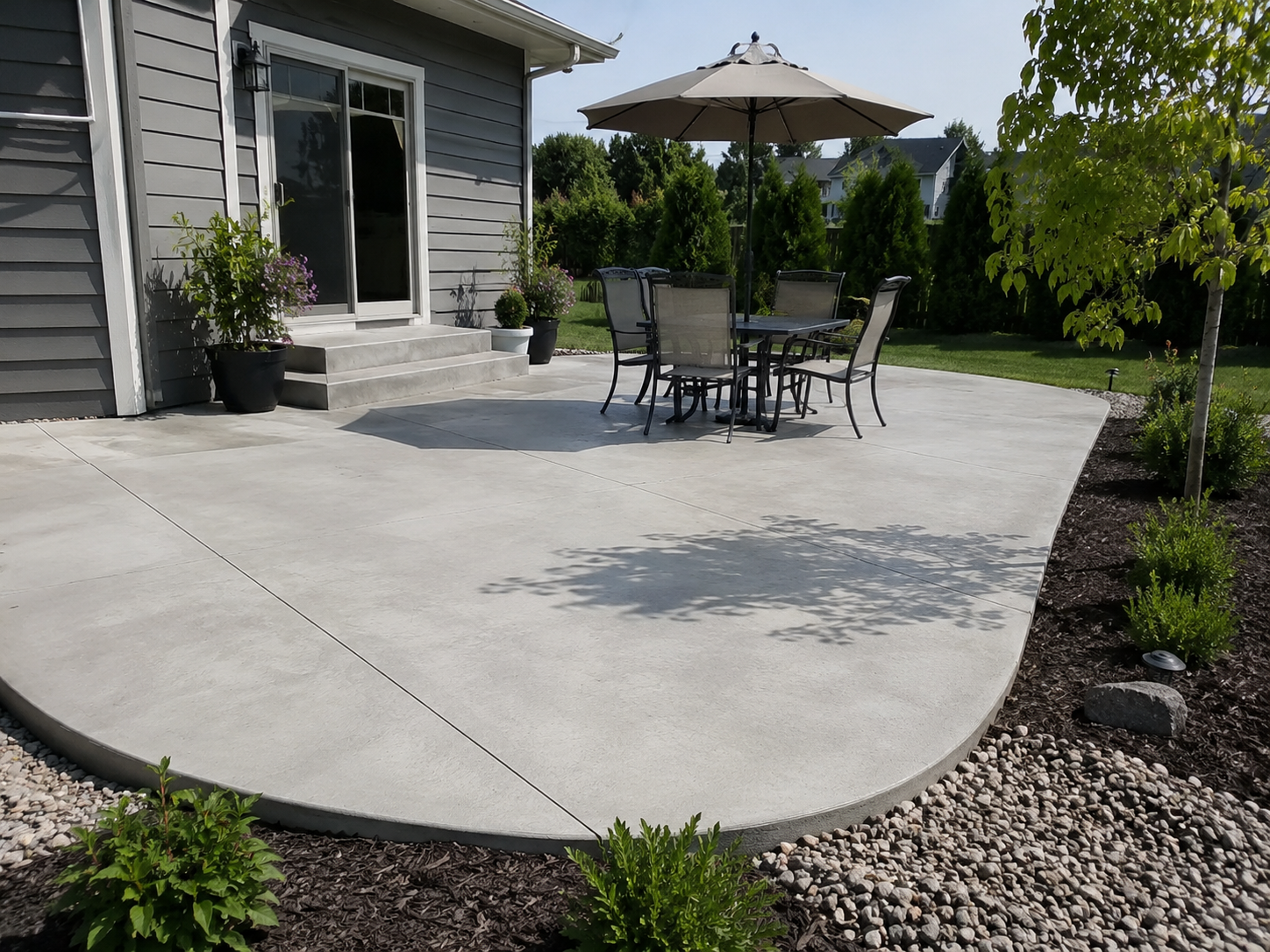
A standard 4-inch slab is usually the most affordable option and typically costs between $6 and $10 per square foot installed. These slabs work well for patios, walkways, and sheds.
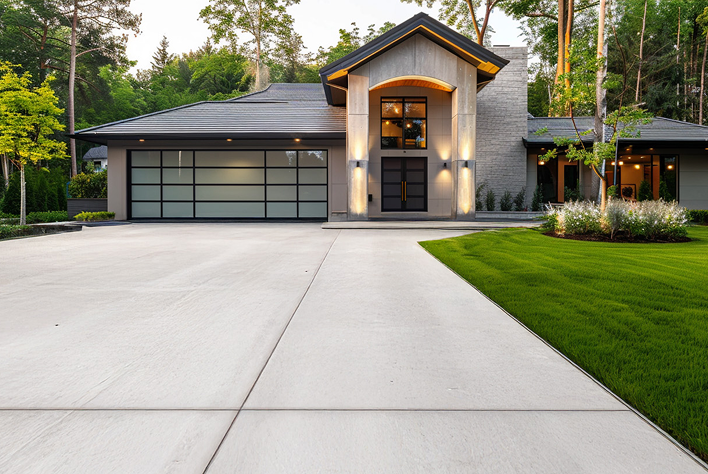
Garages, driveways, workshops, and RV pads often require 5-inch or 6-inch slabs for additional strength. Thicker slabs use more concrete and reinforcement, which can raise costs to $10 to $15+ per square foot.
-
Materials Used
Most residential projects use standard concrete mixes because they’re affordable and strong enough for everyday use. But if you need a higher-strength mix for heavy loads or rough weather conditions, material costs can go up by around 10% to 30%.
Extra additives for things like faster drying, moisture protection, or better crack resistance can also increase the final price.
-
Labor and Equipment Costs
Labor makes up a big part of the cost of a concrete slab. A simple slab in an easy-to-reach area will cost less, while jobs that need extra workers, concrete pumps, or more detailed finishing work are usually more expensive.
Even something as simple as hard backyard access can add another $500 to $2,000+ to the job because of the extra equipment and labor involved.
-
Site Accessibility and Conditions
Site prep is one of those costs that catches a lot of homeowners off guard. If the crew has to remove old concrete, clear out roots, level uneven ground, or deal with soft soil, the price can climb pretty fast.
Simple grading might only add a few hundred dollars, but bigger excavation or soil prep work can easily add another $1,000 to $5,000+, depending on the condition of the site.
-
Reinforcement Type
Reinforcement makes a concrete slab stronger and helps reduce cracking, but it also adds to the overall cost.
Wire mesh is the cheaper option and is commonly used for patios or walkways. It usually adds around $0.30 to $0.80 per square foot. Rebar costs more, typically around $1 to $3 per square foot, but it’s much stronger, which is why it’s often used for driveways, garages, and foundations.
Some contractors also use fiber-reinforced concrete for extra crack resistance, which can add around $0.50 to $2 per square foot. It costs more upfront, but reinforced slabs usually hold up better over time.
-
Finish Type and Surface Quality
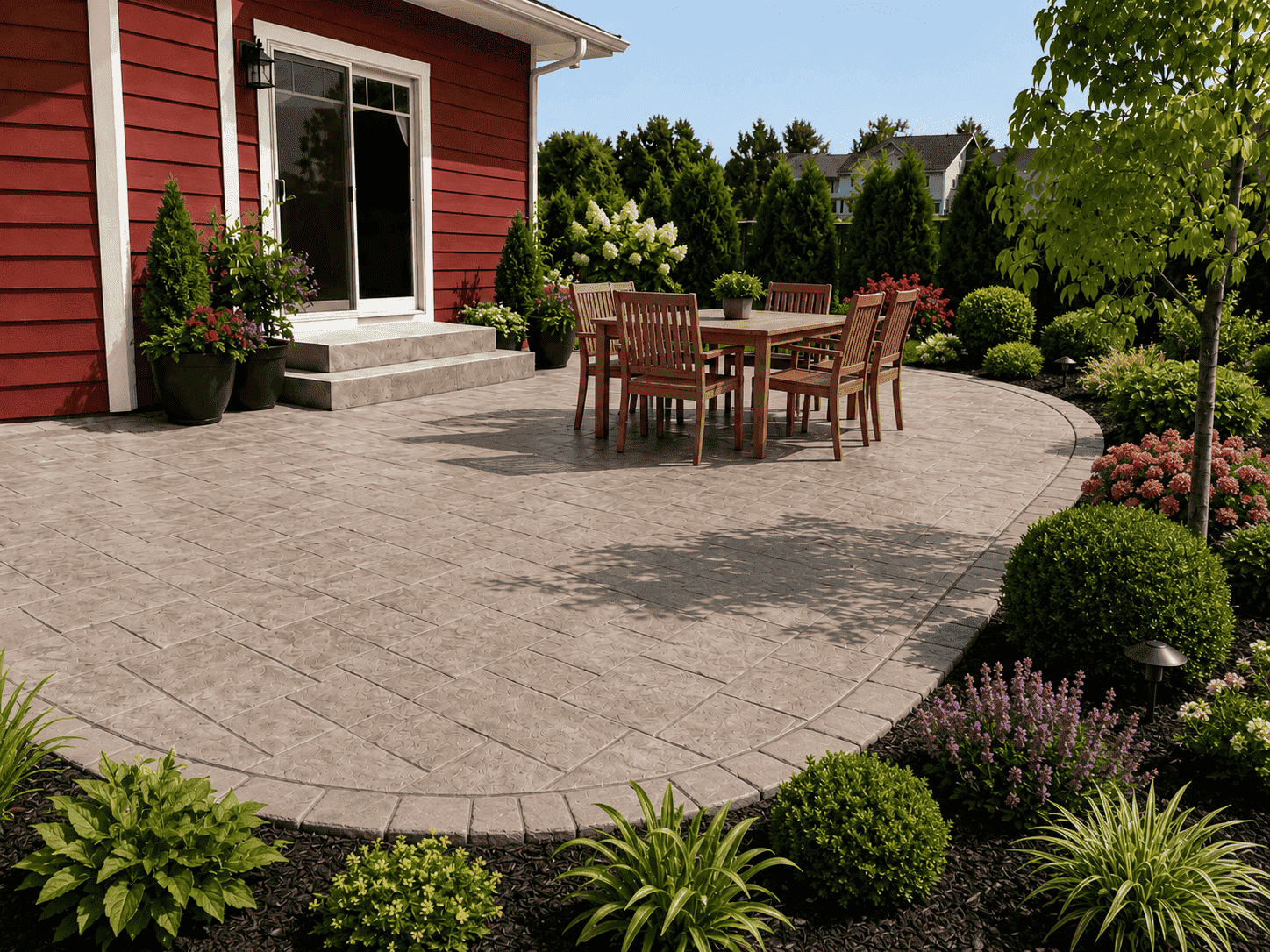
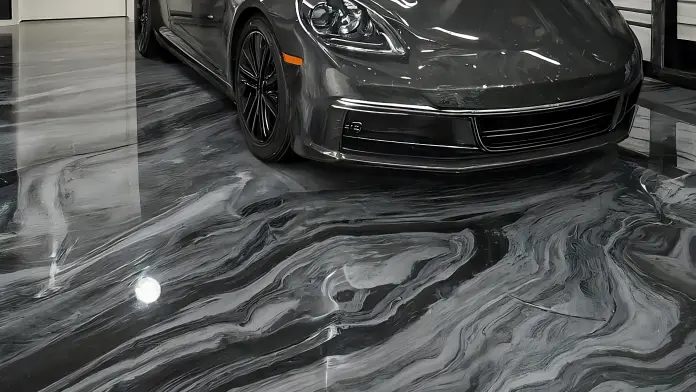
A basic broom finish is usually included in the standard installation price. But if you want something more decorative, like stamped concrete, polished concrete, or exposed aggregate, it’ll cost extra because of the added work and materials.
In most cases, these upgrades add around $4 to $12 per square foot to the total cost.
-
Location and Regional Pricing Differences
Concrete slab prices can vary depending on where you live. Labor costs, material prices, permits, and local demand all play a role, which is why homeowners in bigger cities usually pay more than those in rural areas.
Prices can also go up during busy construction seasons when contractors are booked out and harder to schedule.
Types of Concrete Used for Slabs
The type of concrete used for a slab affects both the price and how much weight the slab can handle over time. While stronger concrete costs more, many residential projects do not actually need expensive specialty mixes.
-

Standard Concrete Mixes
Standard concrete is the cheapest and most common option for patios, walkways, and shed slabs. Most standard slabs cost around $6 to $10 per square foot installed.
For many homeowners, standard concrete is strong enough unless the slab will regularly support vehicles or heavy equipment.
-
High-Strength and Specialized Concrete
High-strength concrete is commonly used for garages, driveways, RV pads, and workshops because it handles heavier loads and daily wear better than standard mixes.
These slabs usually cost around $10 to $18+ per square foot installed, depending on the slab thickness, reinforcement, and additives used.
Some mixes also include fibers or additives to improve crack resistance or moisture protection, but these upgrades are usually more useful for high-traffic or colder-climate areas.
-
Precast vs. Poured-in-Place Slabs
Poured-in-place slabs are the most common option for homes and usually the cheaper one, too. The concrete is poured directly on-site, which makes it easier to customize the size and shape.
Precast slabs are made somewhere else and brought to the property ready to install. They can save time, but they usually cost more because of delivery and the equipment needed to move them into place.
For most homeowners, poured-in-place slabs are the more practical and budget-friendly choice.
Site Preparation and Installation Costs
Site prep is a big part of any concrete slab project because if the ground isn’t prepared properly, you can end up with cracks, drainage issues, or uneven settling later on.
And in some cases, getting the site ready can cost thousands of dollars before the concrete is even poured.
Soil and Subgrade Preparation
The ground under the slab needs to be solid before any concrete gets poured. If the soil is too soft, uneven, or holds too much moisture, contractors may need to add gravel or compact the area to make the base more stable.
Small prep jobs might only add a few hundred dollars, but bigger stabilization work can easily cost $1,000 to $3,000+, depending on the condition of the site.
Grading and Excavation
If the area is sloped or uneven, contractors may need to excavate and level the ground before pouring the slab. Removing old concrete, tree roots, or large rocks also increases labor and equipment costs.
Grading and excavation typically add around $500 to $5,000+ to the project, depending on the amount of work required and site accessibility.
| Site Preparation Work | Average Added Cost |
| Basic grading | $500 - $1,500 |
| Excavation and leveling | $1,000 - $3,500 |
| Old concrete removal | $2 - $6 per sq. ft. |
| Soil stabilization | $1,000 - $3,000+ |
Permits, Inspections, and Code Requirements
Some concrete slab projects need permits and inspections, especially for things like garages, home additions, or foundation work. Permit costs vary by area, but they usually fall somewhere between $100 and $1,000+.
Local building rules can also affect the price. In some areas, you may need a thicker slab, extra reinforcement, or better drainage, which can push the total cost higher.
DIY vs. Hiring a Concrete Contractor
Doing a concrete slab yourself can save money on smaller projects, but bigger slabs are usually a lot more work than people expect. Things like the slab size, how much concrete is needed, the condition of the site, and the finishing work all play a big role in whether DIY is actually practical.
-

When DIY Makes Sense
DIY usually makes the most sense for small slabs like shed bases, small patios, or walkways where structural strength is less critical.
Homeowners can often save around $2 to $6 per square foot in labor costs by doing the work themselves. However, they still need to pay for concrete, gravel, reinforcement, forms, delivery fees, and tool rentals.
Smaller projects are generally easier to manage because they require less concrete and can often be poured and finished before the material starts setting.
-
Risks and Limitations of DIY
Large concrete pours are tough to handle without experience or enough help. Even a 20x20 slab needs a lot of concrete, and everything has to be poured, leveled, and finished fast before it starts setting.
A lot of DIY projects also overlook costs like gravel, equipment rentals, delivery fees, and reinforcement materials. And if the slab isn’t leveled or drained properly, you can end up with cracks, uneven spots, or water pooling later, which can cost more to fix than hiring a contractor in the first place.
-
Benefits of Hiring a Professional
Professional contractors usually complete the work faster and more accurately because they already have the equipment, crew, and experience needed for large pours.
They also handle grading, reinforcement placement, drainage planning, and finishing properly, which helps reduce the risk of major cracking or settling issues later.
While professional installation increases upfront costs, it often makes more sense for garages, driveways, foundations, and larger slabs, where mistakes are costly to repair.
How to Save Money on a Concrete Slab
Concrete slab projects can get expensive pretty quickly, especially once things like site prep, reinforcement, or decorative finishes get added in. But there are a few ways to keep costs down without cutting corners on durability.
-

Keep the slab size reasonable. Bigger slabs need more concrete, labor, and reinforcement, so even trimming the size slightly can save a good amount of money.
-
Stick with a basic finish if you can. Decorative options like stamped or polished concrete look great, but they can add another $4 to $12 per square foot.
-
Don’t pay for upgrades you don’t really need. Many patios and walkways work perfectly fine with standard concrete and basic reinforcement.
-
Get the site ready beforehand. Clearing obstacles or improving access ahead of time can help lower labor costs.
-
Try scheduling during slower seasons. Some contractors charge less when business is slower.
-
Compare quotes carefully. A lower price doesn’t always mean a better deal if things like excavation or cleanup aren’t included.
-
Take drainage seriously. Fixing grading issues before the slab is poured can help you avoid expensive repairs later.
Conclusion
Most concrete slab installations cost between $6 and $15 per square foot, with total costs depending on the slab size, thickness, reinforcement, site conditions, and finish type. Smaller patio or shed slabs are usually cheaper, while reinforced slabs for garages, driveways, and foundations cost more.
If your slab project is related to structural support or existing settling issues, HomeBuddy can also help you compare foundation repair companies near you and local contractor estimates.
Frequently Asked Questions
What factors increase the cost of a concrete slab the most?
Larger slabs, thicker concrete, rebar reinforcement, and site preparation increase concrete slab costs the most. Excavation, grading, poor soil, and decorative finishes can also add significant labor and material costs.
How long does a concrete slab last?
A properly installed concrete slab can last 30 to 50 years or more. Slabs with good drainage, proper reinforcement, and regular maintenance usually last longer and develop fewer cracks over time.
What is the cheapest type of concrete slab?
A standard 4-inch poured concrete slab is usually the cheapest option. It typically costs around $6 to $10 per square foot installed and works well for patios, walkways, and shed bases.
Does thickness affect concrete slab cost significantly?
Thickness significantly affects the cost of a concrete slab because thicker slabs require more concrete, additional reinforcement, and extra labor to install. A standard 4-inch slab is the cheaper option, while 5-inch or 6-inch slabs used for garages, driveways, or heavy equipment can raise the total cost noticeably.
How much does site preparation add to the total cost?
Site prep can add a few hundred dollars, or several thousand, to the cost of a concrete slab project. The price usually goes up when the area needs grading, excavation, drainage work, soil stabilization, or the removal of old concrete before the new slab can be poured.


)