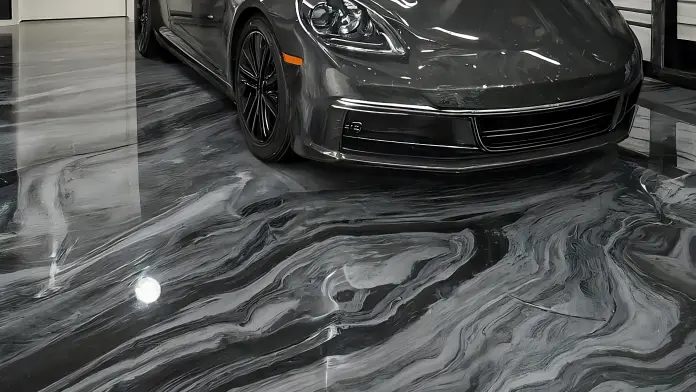
Thinking about installing a concrete driveway? The price can vary a lot depending on the size, finish, and how much prep work your property needs. A simple, standard driveway will cost far less than a custom-stamped or high-end finish.
The average cost to install a concrete driveway typically ranges from $4 to $15 per square foot, depending on materials and finish.
Most homeowners spend between $2,500 and $10,000+, with larger or custom driveways costing more.
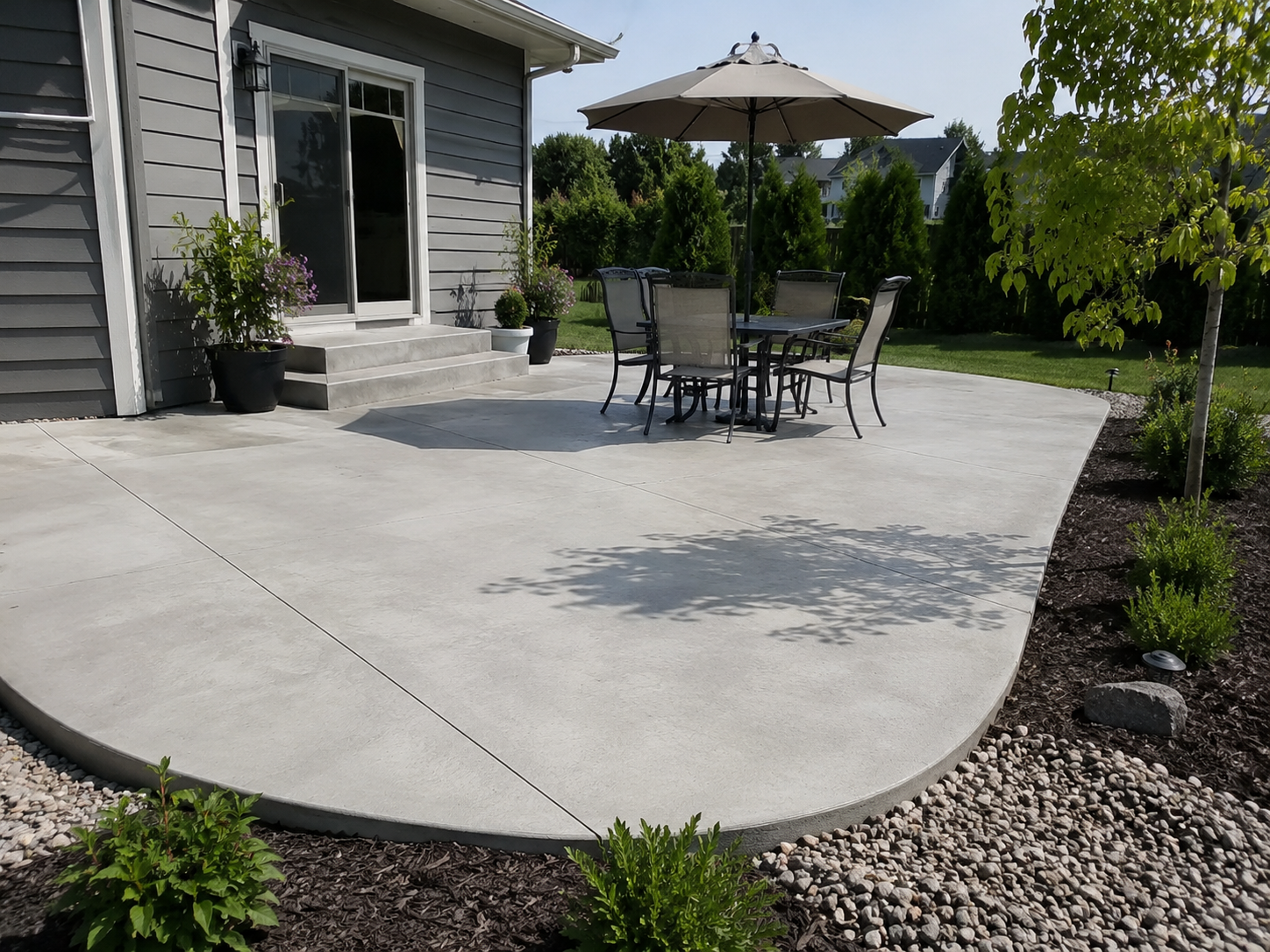
Basic concrete is the most affordable option, while stamped or decorative finishes increase the price significantly.
Average Concrete Driveway Cost in 2026
Concrete driveway costs in 2026 mostly come down to how big the driveway is and what you’re paying per square foot. Averages can give you a rough idea, but your actual cost will depend on things like the finish you choose, labor rates, and the condition of the site.
Cost Per Square Foot
Quality Level
Cost Per Sq Ft
What’s Included
Basic Concrete
$4 - $7
Standard finish, minimal prep, no decorative work
Mid-Range Concrete
$8 - $12
Better materials, improved durability, and light decorative options
High-End Concrete
$13 - $15+
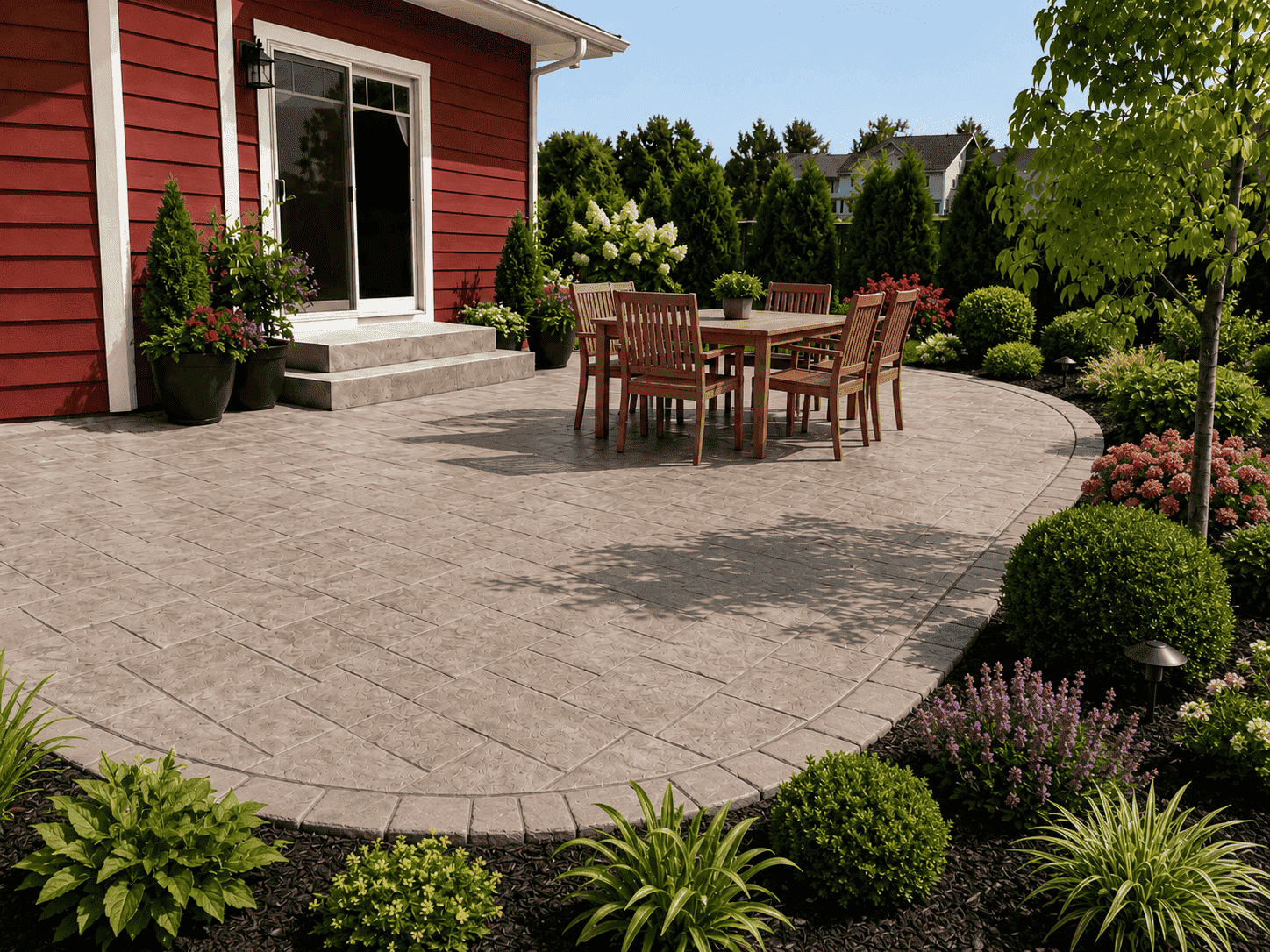
Stamped, colored, or custom finishes with detailed work
This pricing typically includes both materials and labor, but may not cover extras like removing an old driveway or major site prep.
Total Cost by Driveway Size
Driveway Size
Square Feet
Average Total Cost
Single-car
200 - 400 sq ft
$800 - $6,000
Double-car
400 - 600 sq ft
$1,600 - $9,000
Large driveway
600 - 1,000 sq ft
$2,400 - $15,000
Even a small change in the price per square foot can add up quickly, especially on bigger driveways. And with smaller projects, you might actually pay a bit more per foot since contractors often have minimum charges for labor.
Concrete Driveway Cost by Finish and Quality
The finish you choose has one of the biggest impacts on the total cost. While basic concrete is the most affordable, decorative and custom finishes can quickly increase the price due to extra materials, labor, and time.
These include simple upgrades like light coloring, exposed aggregate, or a slightly textured finish. They improve appearance without a major jump in cost.
Best for: Adding curb appeal without going high-end
Pros: Better look than standard concrete, moderate cost
Cons: Limited customization compared to stamped designs
Typical cost: $8 - $10 per sq ft
Mid-Range and Stamped Concrete
Stamped concrete is designed to mimic materials such as brick, stone, or tile. It takes more time and careful work to get that look right, which is why it usually costs more.
Best for: Homeowners who want a premium look without using natural materials
Pros: High-end appearance, customizable patterns
Cons: Higher cost, requires skilled installation
Typical cost: $8 - $12 per sq ft
High-End Custom Finishes
This usually means custom designs, multiple colors, detailed patterns, or specialty finishes. Work like this takes more time and skill, which is why it costs more.
Best for: Luxury homes or standout curb appeal
Pros: Unique look, maximum customization
Cons: Highest cost, longer installation time
Typical cost: $13-$15+ per sq ft
What Factors Affect the Cost of a Concrete Driveway?
Average prices are helpful, but they don’t tell you what your driveway will cost. These are the factors that actually move the price up or down—and what they mean for your budget.
Driveway Size and Layout
Size directly controls your total cost. Even a small increase in square footage can add hundreds or thousands to the final price.
A basic single-car driveway may stay under $5,000
A larger or extended driveway can easily exceed $10,000+
Layout matters just as much. Straight driveways are cheaper, while curves, slopes, or limited access increase labor time and cost.
What does this mean for you? Keeping the layout simple is an easy way to control costs.
Concrete Type and Material Quality
Stronger mixes with reinforcement cost more initially but last longer and resist cracking.
Standard mix = cheaper but may wear faster
Reinforced/high-strength mix = higher cost but better durability
What does this mean for you? If the driveway will handle multiple vehicles daily, upgrading the material is usually worth it.
Labor and Contractor Pricing
Labor is often 30%-50% of the total cost, and it varies a lot by location and contractor experience. Decorative finishes (like stamped concrete) increase labor costs because they require more time and skill.
What does this mean for you? Getting multiple quotes from contractors near you can easily save hundreds or even thousands.
Site Preparation and Additional Work
This is where unexpected costs usually come from.
If your site needs work, you may pay extra for:
Old driveway removal: $1,000 - $3,000+
Grading and leveling: $500 - $2,000
Drainage fixes or base prep
What does this mean for you? Always ask what’s included in the quote - cheap estimates often exclude prep work.
Location and Permits
Prices vary by location, with higher labor and material costs in urban or high-demand areas.
Permits may also be required, adding $100 - $500+, depending on local rules.
What does this mean for you? Local pricing matters more than national averages - always compare quotes in your area.
Repair or Replace - What’s More Cost-Effective?
Not every driveway needs full replacement.
Small cracks or surface damage = repair is cheaper short-term
Large cracks, sinking, or drainage issues = replacement is usually smarter
What does this mean for you? If repairs keep coming back, replacement will save money long-term.
Concrete vs. Other Driveway Materials
Concrete is a popular choice for driveways, but it’s not your only option. Looking at how it compares to other materials can help you figure out what makes the most sense for your budget, your climate, and how long you plan to stay in the home.
Material
Average Cost Per Sq Ft
Lifespan
Concrete
$4 - $15
25 - 40 years
Asphalt
$3 - $7
15 - 25 years
Gravel
$1 - $3
5 - 10 years
Pavers
$10 - $25
30 - 50 years
How Concrete Compares
Concrete sits in the middle when it comes to cost, but stands out for durability and low maintenance.
Vs. Asphalt
Asphalt is cheaper upfront, but it needs sealing every few years and doesn’t last as long. Over time, maintenance costs can add up.
Vs. Gravel
Gravel is the cheapest option, but it requires frequent upkeep and doesn’t offer the same clean, finished look.
Vs. Pavers
Pavers offer the most design flexibility, but they come at a much higher cost. Concrete can still achieve a similar look with stamped finishes at a lower price.
So, what should you pick?
Choose concrete if you want a balance of durability, appearance, and long-term value
Choose asphalt if your main goal is a lower upfront cost
Choose gravel for temporary or low-budget solutions
Choose pavers if budget isn’t a concern and design matters most
Pros and Cons of Concrete Driveways
Concrete driveways are popular for a reason, but they’re not the right fit for every home. Here’s a simple look at where they work well and where they can fall short.
Long lifespan: A properly installed concrete driveway can last 25 to 40 years, making it a solid long-term investment.
Low maintenance: Unlike asphalt, concrete doesn't need frequent sealing. Occasional cleaning and resealing every few years is usually enough.
Clean, finished look: Even basic concrete looks neat, and decorative options can significantly improve curb appeal.
Handles heavy loads well: Concrete is strong enough for multiple vehicles, making it ideal for busy households.
Higher upfront cost: Concrete costs more than gravel or asphalt initially, especially if you choose decorative finishes.
Cracking over time: Cracks can form due to weather changes or ground movement, especially if the installation wasn’t done properly.
Difficult to repair seamlessly: Repairs are possible, but patches may not match the original surface perfectly.
Longer installation time: Concrete needs time to cure, which means you may have to wait several days before using your driveway.
How to Save Money on Concrete Driveway Installation
Concrete driveway costs can vary by thousands depending on a few decisions. Here’s where you can realistically save money and where you shouldn’t.
Control the size early - Even an extra 100-200 sq ft can add $500-$2,000+. Only build what you actually need.
Skip unnecessary upgrades - Stamped or colored concrete can double the price per square foot. A standard finish is often enough.
Watch for hidden costs in quotes - Low estimates often exclude prep work like grading or old driveway removal. Always ask what’s included.
Compare at least 2-3 quotes - The same project can vary by thousands depending on the contractor. Checkinglocal contractors near you helps avoid overpaying.
Don’t cut corners on the base - Poor base preparation leads to cracks and sinking. Fixing that later is far more expensive than doing it right the first time.
Does a Concrete Driveway Add Value to Your Home?
A concrete driveway won’t add a huge amount to your home’s resale price, but it can still make your property easier to sell.
The real value comes from:
Better curb appeal = makes the home look clean and well-maintained
Durability = buyers know they won’t need to replace it anytime soon
Lower maintenance = compared to gravel or asphalt
It can also help prevent issues like poor drainage or surface damage, which buyers often look out for during inspections.
In most cases, you won’t fully recover the installation cost, but a good driveway can:
Improve first impressions
Reduce buyer concerns
Help your home stand out in competitive markets
Conclusion
Concrete driveway costs in 2026 typically range from $4 to $15+ per square foot, depending on size, finish, and site conditions. While basic options are more affordable, decorative finishes and extra prep work can quickly increase the total price.
If you're ready to get accurate pricing for your project, comparing quotes from concrete driveway contractors near you through HomeBuddy can help you find the right balance between cost and quality.
Frequently Asked Questions
How much does it cost to remove and replace an old driveway?
It usually costs $6 to $20 per square foot to remove and replace a driveway. For a typical 2-car driveway, that comes out to around $3,000 to $12,000+. The price depends on how hard the old driveway is to remove and whether the site needs extra work like grading or drainage fixes, before installing the new concrete.
What is the cheapest way to install a concrete driveway?
The cheapest option is a basic concrete driveway with a simple finish. It usually costs around $4 to $7 per square foot. Keeping the design simple and avoiding decorative features helps keep the price low, but it’s still important not to compromise on proper installation.
How long does a concrete driveway last before needing replacement?
A concrete driveway typically lasts 25 to 40 years. It may need replacement sooner if there are major cracks, sinking, or drainage issues. With proper installation and occasional maintenance, it can stay in good condition for decades.
How is a concrete driveway installed step by step?
A concrete driveway is installed by preparing the ground, pouring the concrete, and letting it cure properly. The basic steps are:
First, the old driveway is taken out and the ground is evened out
Then a gravel layer is added so it doesn’t shift later
Wooden forms are put in place to outline the shape
Concrete gets poured in and spread out
The surface is finished depending on the look you want
After that, it just needs a few days to dry and harden before you can use it


)