




)
How We Calculated This Cost
HomeBuddy estimates flooring costs using real project pricing from completed residential flooring installation projects, matched against the scope and details submitted in each project request. Estimates reflect differences in flooring material, room size, subfloor condition, removal requirements, installation method, and project complexity. Public pricing references are reviewed to confirm that published ranges remain consistent with current flooring material and installation costs.
Expanded details
Data used: HomeBuddy project cost data, completed project costs, and residential project request details
Project scope: hardwood, laminate, vinyl, tile, carpet, and other residential flooring installation and replacement projects
Main cost factors: flooring material, total square footage, subfloor preparation, existing flooring removal, installation method, room layout, material quality, and local labor costs
Location signals: ZIP, city, and state-level pricing patterns where available
Public references: used to confirm flooring material and installation cost ranges and keep estimates aligned with current market conditions
Key Points
- Average Pergo flooring installation costs range from $4 to $14 per square foot, including materials and labor.
- Most Pergo flooring projects cost $1,200 to $4,500, depending on the room size and product selected.
- Pergo laminate is typically the least expensive option, while Pergo engineered hardwood costs the most.
- Labor usually adds $1.50 to $5 per square foot to the total project cost.
Average Pergo Flooring Installation Cost
The average cost to install Pergo flooring ranges from $4 to $14 per square foot, including materials and labor. For most homeowners, that translates to a total project cost of $1,200 to $4,500, although larger rooms and premium Pergo products can push costs higher.
Pergo Flooring Cost by Type
Pergo offers three main flooring types: laminate, luxury vinyl plank (LVP), and engineered hardwood. Price matters, but choosing the right flooring for the room is just as important.
| Flooring Type | Installed Cost | Best For |
|---|---|---|
| Laminate | $4 - $10 per sq. ft. | Lowest upfront cost |
| Vinyl (LVP) | $5 - $12 per sq. ft. | Kitchens, bathrooms, basements |
| Engineered Hardwood | $8 - $14 per sq. ft. | Premium appearance and resale value |
Main Factors That Affect Pergo Flooring Cost
Your final Pergo flooring cost mainly depends on four things: the flooring type, labor rates, room complexity, and any prep work needed before installation.
Flooring Type and Product Line
More expensive Pergo products cost more to buy and install.
Choosing engineered hardwood instead of laminate can add $2 to $5+ per square foot to the project cost.
Labor Costs
Labor typically costs $1.50 to $5 per square foot.
You'll usually pay more if:
In many projects, labor accounts for 25% to 40% of the total cost.
Texture, Finish, and Color Options
Premium designs cost more than standard styles.
Features that often increase material costs include:
These upgrades improve appearance but don't always improve durability.
Room Layout, Corners, and Doorways
Simple rooms are cheaper to install than complex ones.
Rooms with closets, hallways, kitchen islands, and multiple doorways require more cutting and create more material waste, which increases labor costs.
Most installers recommend ordering 5% to 10% extra flooring to cover waste and future repairs.
Additional Costs When Installing Pergo Flooring
The flooring itself isn't always the biggest cost. Prep work and extra services can easily add hundreds or even thousands of dollars to the total project price.
DIY vs. Professional Pergo Flooring Installation
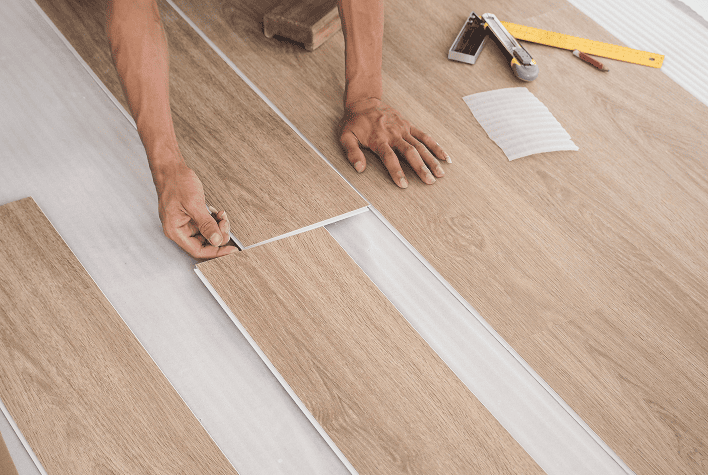
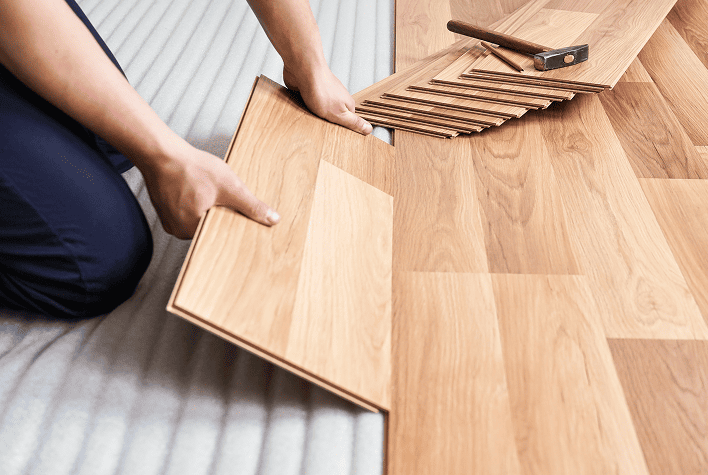
Pergo's click-lock flooring systems are designed to be DIY-friendly, but installing flooring yourself doesn't always save money if mistakes lead to wasted materials or repairs later.
Pergo Flooring FAQs
Is Pergo flooring waterproof?
Not all Pergo flooring is waterproof. Pergo vinyl flooring is waterproof. Some Pergo laminate products are also waterproof, while others are only water-resistant. Always check the product specifications before buying, especially for bathrooms, basements, and kitchens.
Does Pergo flooring scratch easily?
No. Pergo flooring is highly scratch-resistant. Most Pergo floors hold up well to everyday foot traffic, pets, and furniture. However, like any flooring material, they can still scratch if heavy furniture is dragged across the surface or sharp objects are dropped on it.
How long does Pergo flooring last?
Pergo flooring typically lasts 15 to 30 years or more. The lifespan depends on the product line, installation quality, and amount of foot traffic. Premium Pergo products generally last longer than entry-level options, especially when properly maintained.
Do you need underlayment with Pergo flooring?
Not always. Many Pergo products include attached underlayment, so you don't need to buy a separate one. If it isn't attached, Pergo may require underlayment depending on the subfloor and installation location. Check the product specifications before purchasing.
Can Pergo flooring be installed in kitchens, bathrooms, or basements?
Pergo vinyl flooring is suitable for kitchens, bathrooms, and basements. Some Pergo laminate products are also rated for wet areas, but not all of them. Always check the product specifications before installation in moisture-prone spaces.
Is Pergo better than regular laminate flooring?
In most cases, yes. Pergo laminate is typically more durable, more water-resistant, and backed by better warranties than many budget laminate flooring products. The tradeoff is a higher price.
Which lasts longer: Pergo vinyl or Pergo laminate?
Pergo vinyl generally lasts longer than Pergo laminate in areas exposed to moisture. For kitchens, bathrooms, and basements, vinyl is usually the better long-term choice because it's waterproof. In dry rooms, both can last 15–30 years or more with proper care.